
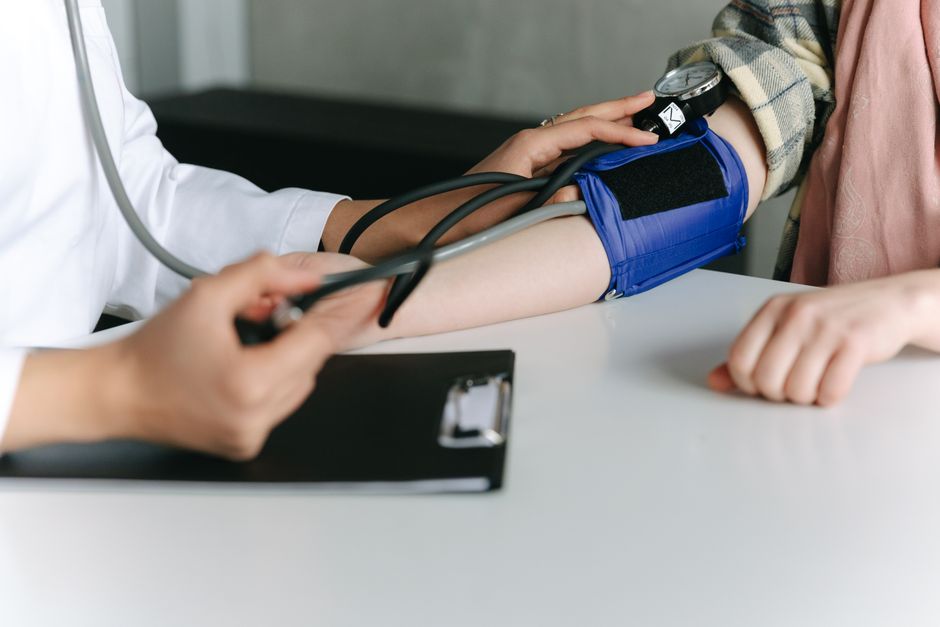
High blood pressure after birth is common, and it can show up even if you never had a single high reading during pregnancy. For many women, blood pressure peaks in the first week after delivery, then settles over the following weeks. Some readings stay high, and a smaller number climb into a range that needs urgent care.
Doctors usually define high blood pressure as 140/90 mm Hg or higher. After birth, that threshold still applies. What makes the postpartum period different is timing and risk: blood pressure can rise while you feel fine, and serious complications are most likely in the first six weeks after delivery. That is why follow-up matters even when you feel well.
Why Does Blood Pressure Rise After Giving Birth?
Blood pressure after delivery is shaped by rapid shifts in fluid, hormones, and blood volume. During pregnancy, your body carries extra blood and fluid. After birth, that volume moves and is shed over days to weeks. Blood vessel tone changes at the same time, and these shifts can push pressure up.
Two patterns are worth knowing. In one, blood pressure that was normal during pregnancy rises in the days after delivery. In the other, high blood pressure that appeared during pregnancy — including preeclampsia — can get worse right after birth before it improves. Preeclampsia is a pregnancy complication marked by high blood pressure and signs of organ stress, and it can first appear or worsen after delivery, not just before.
Several things raise the odds of a postpartum rise:
- A history of high blood pressure before or during pregnancy
- Preeclampsia or gestational hypertension during the pregnancy
- First pregnancy, multiple pregnancy, or pregnancy at an older age
- Certain chronic conditions such as kidney disease or diabetes
- Use of some pain medicines after delivery
One point that surprises many people: postpartum high blood pressure is not only a problem for women who had it during pregnancy. It can appear for the first time after birth in someone whose pregnancy readings were normal.
What Are the Warning Signs to Watch For?
Most high blood pressure causes no symptoms at all. That is the core problem. You can feel completely normal and still have a dangerous reading, which is why checking the number matters more than waiting to feel unwell.
When blood pressure climbs very high, symptoms can appear. Seek urgent care for any of these:
- A severe headache that will not go away
- Vision changes, such as blurring or seeing spots
- Pain in the upper belly, often under the ribs on the right
- Shortness of breath or chest pain
- Swelling of the face, hands, or sudden swelling in the legs
- Nausea or vomiting
- Confusion or trouble thinking clearly
These signs overlap with a condition called postpartum preeclampsia, which can develop after delivery and can become serious quickly. Do not wait to see if symptoms pass. Call your doctor or go to the emergency department. Postpartum preeclampsia is treatable, and fast care makes a difference.
It is also worth separating ordinary swelling from something more concerning. Mild ankle swelling in the days after birth is common and often harmless. Swelling that appears suddenly in the face or hands, or that comes with a headache or vision changes, is different and needs prompt attention.
How Is Postpartum High Blood Pressure Diagnosed?
Diagnosis comes down to measuring the number, usually more than once. A single high reading is not enough to make a diagnosis, because stress, pain, and movement can all raise pressure briefly. Clinicians confirm a pattern over time.
Standard blood pressure categories apply after birth, the same as at any other time:
| Category | Systolic (mm Hg) | Diastolic (mm Hg) |
|---|---|---|
| Normal | Less than 120 | Less than 80 |
| Elevated | 120–129 | Less than 80 |
| Stage 1 high blood pressure | 130–139 | 80–89 |
| Stage 2 high blood pressure | 140 or higher | 90 or higher |
| Hypertensive crisis | Higher than 180 | Higher than 120 |
A reading above 180/120 is a medical emergency. Get care immediately.
Beyond the number, your doctor may check blood and urine tests. These look for signs that high blood pressure is affecting organs such as the kidneys or liver. This matters because postpartum preeclampsia involves both elevated pressure and organ effects, and the treatment approach can differ from ordinary high blood pressure.
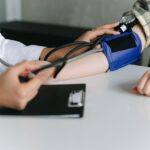
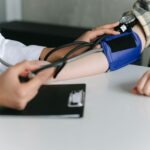
How Is It Treated After Birth?
Treatment depends on how high the pressure is and whether there are signs of organ involvement. For mild elevations, some clinicians recommend monitoring and lifestyle steps first. For higher readings, medication is often needed.
Several blood pressure medicines are considered compatible with breastfeeding. Which one is right for you is a decision for your doctor, based on your readings, your history, and whether you are nursing. Do not start, stop, or change any medication on your own after birth.
For postpartum preeclampsia, treatment is more involved and may include medicines to lower blood pressure along with magnesium sulfate, which is used to prevent seizures. This is typically managed in a hospital setting.
Some practical steps support blood pressure control during recovery:
- Check your pressure at home if your doctor recommends it, and keep a log
- Take any prescribed medicine exactly as directed
- Limit added salt, and follow any diet guidance you are given
- Rest when you can, since sleep loss and stress can push pressure up
- Keep your follow-up appointments, even if you feel fine
Be cautious with over-the-counter pain relievers. Some, including certain nonsteroidal anti-inflammatory drugs, can raise blood pressure. Ask your doctor which pain medicine is safe for you in the weeks after delivery.
How Long Does It Usually Last?
For many women, blood pressure returns toward normal within a few weeks after birth. The first week is often the peak. By about six weeks, most readings have settled, which is why a postpartum visit is commonly scheduled around that time.
That timeline is a general pattern, not a guarantee. Some women need longer for pressure to normalize, and some continue to have high blood pressure that requires ongoing treatment. If your pressure was high before pregnancy, it may not return to normal on its own.
This is why a single normal reading early on does not mean the issue is resolved. Pressure can rise again after it briefly drops. Continued monitoring through the first several weeks gives a clearer picture than any one measurement.
When Should You Call Your Doctor?
Call your doctor if you have any reading at or above 140/90, or if you have symptoms such as a severe headache, vision changes, or upper belly pain. Do not wait for a scheduled visit if something feels wrong.
Call right away, or go to the emergency department, for a reading above 180/120, chest pain, shortness of breath, or confusion. These are signs of a hypertensive crisis and need immediate care.
The gap between feeling fine and having a serious reading is the reason postpartum blood pressure gets so much attention. Checking the number is the only reliable way to know where you stand. If you are unsure whether a symptom is serious, call. It is always reasonable to ask.
Frequently Asked Questions
Can you have high blood pressure after birth if you never had it during pregnancy?
Yes. Postpartum high blood pressure can appear for the first time after delivery, even when all your pregnancy readings were normal. This is why monitoring in the weeks after birth matters regardless of your pregnancy history.
How long does high blood pressure last after giving birth?
For many women, blood pressure returns toward normal within a few weeks, with the first week often being the peak. Some women need longer, and some continue to need treatment, so a normal reading early on does not confirm the issue is over.
Is it safe to breastfeed while taking blood pressure medicine?
Several blood pressure medicines are considered compatible with breastfeeding, but this depends on the specific drug. Talk with your doctor before starting, stopping, or changing any medication while nursing.
When is postpartum high blood pressure an emergency?
A reading above 180/120 is a medical emergency and needs immediate care. So do symptoms like chest pain, shortness of breath, severe headache, vision changes, or confusion, even if you have not checked your pressure.
