

Yes, 119/76 is a good blood pressure reading for most adults. It falls within the normal range, which is generally defined as a systolic pressure (the top number) below 120 and a diastolic pressure (the bottom number) below 80. This is true for healthy adults of nearly every age, including those over 65, according to current clinical guidelines. While blood pressure naturally changes with age, the target for most people remains below 120/80.
What Do the Numbers 119 and 76 Actually Mean?
Blood pressure is measured in millimeters of mercury (mmHg) and recorded as two numbers. The top number, 119, is your systolic pressure. This measures the force of blood against your artery walls when your heart beats and pumps blood out. The bottom number, 76, is your diastolic pressure. This measures the force of blood in your arteries when your heart rests between beats.
Both numbers matter. A normal reading is typically defined as a systolic pressure under 120 and a diastolic pressure under 80. Your reading of 119/76 sits just below that upper boundary. It is not considered elevated, high, or prehypertensive by current standards.
Is 119 76 A Good Blood Pressure For Your Age?
For the vast majority of adults, a reading of 119/76 is excellent. The official blood pressure categories classify normal blood pressure as anything below 120/80. Your reading fits squarely in that category. This applies whether you are 35, 55, or 75 years old.
There is one exception that applies to a very specific group. In older adults, particularly those over 80 or those with certain health conditions, some clinicians may consider slightly higher targets. However, a reading of 119/76 is not too low for these individuals. It is only a concern if blood pressure drops below 90/60, which is classified as hypotension. For most people, 119/76 indicates healthy blood pressure levels.
How Blood Pressure Categories Are Defined
Medical guidelines use specific categories to classify blood pressure readings. These categories help doctors determine who needs treatment and who simply needs to maintain healthy habits.
- Normal: Systolic less than 120 and diastolic less than 80.
- Elevated: Systolic 120-129 and diastolic less than 80.
- High Blood Pressure Stage 1: Systolic 130-139 or diastolic 80-89.
- High Blood Pressure Stage 2: Systolic 140 or higher or diastolic 90 or higher.
- Hypertensive Crisis: Systolic over 180 and/or diastolic over 120, requiring immediate medical attention.
Your reading of 119/76 places you in the normal category. There is no clinical reason for concern based on these numbers alone. The gap between your reading and the elevated category is small, so maintaining healthy habits remains important.

Does Blood Pressure Naturally Rise With Age?
Blood pressure does tend to increase with age. As we get older, our arteries naturally become stiffer and less flexible. This stiffness increases resistance to blood flow, which can push blood pressure numbers higher over time. This is why regular monitoring becomes more important as you age.
However, an age-related rise in blood pressure is not considered healthy or unavoidable. Current clinical guidelines set the same blood pressure target for most adults regardless of age. The goal remains below 120/80 for nearly everyone. A reading of 119/76 at age 65 is just as good as the same reading at age 35.
When Is a Reading of 119/76 a Concern?
For almost everyone, 119/76 is a healthy reading. There are a few situations where any blood pressure reading needs to be interpreted with extra care. If you feel dizzy, lightheaded, or faint, your blood pressure may be dropping too low for your body’s needs, even if the number looks normal on paper.
Pregnant women have different blood pressure considerations. Blood pressure naturally fluctuates during pregnancy, and the thresholds for concern are different. If you are pregnant, your doctor will monitor your blood pressure closely and interpret readings in the context of your overall health.
People with chronic kidney disease, diabetes, or heart conditions may have personalized blood pressure targets. Your doctor may recommend a different range based on your specific medical history. This does not mean 119/76 is a bad reading for you. It simply means your care team may have different goals.
How to Keep Blood Pressure in a Healthy Range
Maintaining a reading like 119/76 requires consistent effort. Blood pressure is influenced by lifestyle factors that you can control. The most well-established approaches for keeping blood pressure healthy include reducing sodium intake, eating a diet rich in fruits and vegetables, and maintaining a healthy weight.
Regular physical activity is also important. Most guidelines recommend at least 150 minutes of moderate-intensity aerobic exercise per week. This can include brisk walking, cycling, or swimming. Limiting alcohol consumption and managing stress also contribute to healthier blood pressure levels.
One non-obvious fact: potassium plays a significant role in blood pressure regulation. It helps your kidneys excrete sodium and relaxes blood vessel walls. Foods like bananas, potatoes, spinach, and beans are good sources of potassium. Most Americans consume too much sodium and not enough potassium, which can push blood pressure upward.
How to Get an Accurate Blood Pressure Reading
Blood pressure readings can vary based on how they are taken. A single reading of 119/76 is reassuring, but it is not the same as a confirmed pattern. To get an accurate picture of your blood pressure, you should take multiple readings over time.
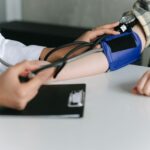
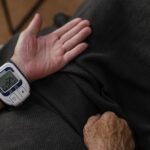
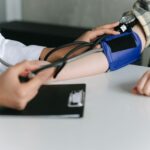
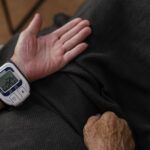
Use a validated home blood pressure monitor with a properly sized cuff. Sit quietly for five minutes before taking a reading. Place your feet flat on the floor and support your arm at heart level. Do not talk during the measurement. Take two or three readings one minute apart and record the average.
Avoid caffeine, exercise, and smoking for at least 30 minutes before measuring. Blood pressure naturally fluctuates throughout the day. It is typically lower at night and higher in the morning. This is why doctors rarely make treatment decisions based on a single office reading.
When Should You See a Doctor About Blood Pressure?
You do not need to see a doctor specifically because of a reading of 119/76. This number does not indicate a problem. However, routine blood pressure checks are part of standard preventive care. Most adults should have their blood pressure checked at least once every two years if their readings are normal.
If you have risk factors for high blood pressure, such as a family history, obesity, or diabetes, you may need more frequent checks. If you notice your readings creeping upward over time, mention it to your doctor. An upward trend matters even when individual readings remain in the normal range.
What If Your Blood Pressure Is Higher Than 119/76?
If your reading is consistently above 120/80, it is worth addressing. Elevated blood pressure does not usually cause symptoms, which is why it is often called a silent condition. Many people feel fine while their blood pressure gradually damages their arteries, heart, and kidneys over years.
Lifestyle changes are the first line of defense for mildly elevated readings. These changes are powerful and well-supported by research. Reducing sodium, increasing physical activity, and managing stress can lower blood pressure significantly. Some research suggests that consistent aerobic exercise can lower systolic blood pressure by several points.
If your blood pressure reaches 130/80 or higher, your doctor may discuss medication options. This decision depends on your overall cardiovascular risk, not just your blood pressure number. Some people with stage 1 hypertension manage it with lifestyle changes alone. Others benefit from medication combined with lifestyle changes.
Blood Pressure and Overall Health: The Bigger Picture
A single blood pressure reading is one piece of your health picture. It does not tell the whole story. Your cholesterol levels, blood sugar, weight, smoking status, and family history all contribute to your overall cardiovascular risk. Blood pressure is important, but it is not the only factor that matters.
Keeping your blood pressure in the normal range is one of the most effective things you can do for long-term health. High blood pressure is a leading risk factor for heart attack, stroke, and kidney disease. Maintaining a reading like 119/76 puts you in a strong position to avoid these complications.
Frequently Asked Questions
Is 119 over 76 a normal blood pressure reading?
Yes, 119/76 is a normal blood pressure reading for adults. It falls below the threshold of 120/80 that defines normal blood pressure.
What is the ideal blood pressure by age?
Current guidelines set the same target for most adults regardless of age: below 120/80. A reading of 119/76 is healthy for adults in their 30s, 50s, and 70s alike.
Is 119/76 too low for an older person?
No, 119/76 is not too low for an older person. Blood pressure is only considered too low when it drops below 90/60 or causes symptoms like dizziness or fainting.
Should I worry if my blood pressure is 119/76?
No, there is no reason to worry about a reading of 119/76. It is a healthy reading that falls within the normal blood pressure range.
