
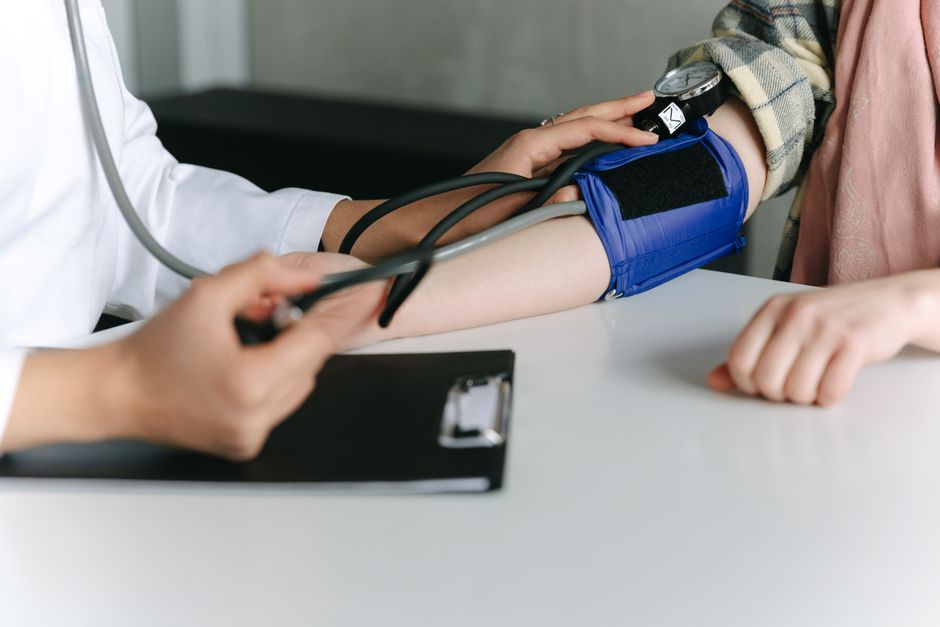
Blood pressure goes up when your arteries narrow or your heart pumps harder than normal. This can happen for many reasons, from what you eat to how you sleep to medications you take. Some causes are temporary and reversible. Others point to long-term health conditions that need medical attention.
What Can Cause Your Blood Pressure To Go Up? Root Causes
Blood pressure is the force of blood pushing against your artery walls. When that force stays high over time, it damages blood vessels, the heart, and other organs. The root causes fall into several groups: lifestyle factors, medical conditions, medications, and temporary triggers.
Lifestyle causes include a diet high in sodium, drinking too much alcohol, smoking, and not getting enough physical activity. Medical causes include kidney disease, thyroid problems, and sleep apnea. Medication causes include certain pain relievers, decongestants, and some antidepressants. Temporary triggers include stress, pain, and even a full bladder.
Many people have more than one cause. A person with a family history of high blood pressure who eats a high-sodium diet and carries excess weight may have several factors working together. Identifying your specific causes matters because treatment differs depending on what is driving the numbers up.
How Sodium and Diet Affect Blood Pressure
Sodium is one of the most studied dietary factors in blood pressure. When you eat more sodium than your kidneys can filter out, your body holds onto water. Extra fluid increases the volume of blood in your vessels, which raises pressure.
The average American consumes far more sodium than needed. Most of it comes from processed foods, restaurant meals, and packaged items — not from the salt shaker. Bread, deli meats, canned soups, and frozen dinners are common hidden sources.
Potassium works against sodium. It helps blood vessels relax and helps the kidneys remove excess sodium. Foods rich in potassium include bananas, potatoes, spinach, beans, and yogurt. A diet with plenty of potassium and limited sodium is consistently linked with lower blood pressure in research studies.
Some people are more salt-sensitive than others. Older adults, people with diabetes, and those with existing kidney problems are more likely to see their blood pressure rise in response to sodium. For these individuals, even modest reductions in sodium can produce noticeable changes in blood pressure readings.
How Weight and Physical Activity Change Blood Pressure
Carrying excess weight increases the amount of blood your body needs to supply oxygen and nutrients to tissues. More blood volume means more pressure on artery walls. Fat tissue also produces hormones and inflammatory substances that can constrict blood vessels.
The relationship between weight and blood pressure is well established. Research consistently shows that losing weight lowers blood pressure in most people who are overweight or obese. Even modest weight loss — in the range of 5 to 10 percent of body weight — can produce meaningful reductions in blood pressure.
Physical activity lowers blood pressure through several mechanisms. Exercise makes the heart stronger, so it pumps more blood with less effort. It also helps blood vessels stay flexible and responsive. Regular aerobic exercise like brisk walking, cycling, or swimming has been shown to lower blood pressure in people with hypertension.
The effect of exercise on blood pressure is not permanent. Blood pressure tends to drift back up within a few weeks of stopping regular activity. Consistency matters more than intensity. The general clinical direction is to aim for at least 150 minutes of moderate activity per week, but any increase from your current level is beneficial.



Alcohol, Smoking, and Blood Pressure
Alcohol has a complex relationship with blood pressure. Drinking heavily raises blood pressure, and the effect can last for hours to days after the last drink. The exact threshold where alcohol becomes harmful varies by individual, but the general pattern is clear: more alcohol means higher blood pressure.
Smoking causes an immediate spike in blood pressure with each cigarette. Nicotine constricts blood vessels and makes the heart beat faster. While smoking is not considered a primary long-term cause of chronic hypertension, it damages arteries and makes existing high blood pressure worse. It also multiplies the cardiovascular risks associated with hypertension.
Smokeless tobacco and vaping have similar effects because they deliver nicotine. The blood pressure response to nicotine is rapid and predictable. Quitting smoking improves blood pressure control, though the timeline for improvement varies from weeks to months.
Medical Conditions That Raise Blood Pressure
Several medical conditions can cause blood pressure to rise. These are sometimes called secondary causes of hypertension because the high blood pressure results from another health problem.
Kidney disease is one of the most common secondary causes. The kidneys regulate fluid balance and produce hormones that control blood vessel constriction. When kidneys are damaged, they cannot remove sodium and fluid effectively, and they may overproduce hormones that raise pressure.
Sleep apnea causes repeated pauses in breathing during sleep. Each pause triggers a stress response that spikes blood pressure. Over time, this pattern keeps blood pressure elevated even during waking hours. Treating sleep apnea with continuous positive airway pressure (CPAP) often improves blood pressure control.
Thyroid disorders can also affect blood pressure. An overactive thyroid increases heart rate and cardiac output, which raises blood pressure. An underactive thyroid can raise blood pressure through increased arterial stiffness and changes in kidney function.
Other conditions include adrenal gland tumors, narrowing of the aorta, and certain hormonal disorders. These are less common but important to identify because treating the underlying condition can resolve the high blood pressure.
Medications and Supplements That Increase Blood Pressure
Many people do not realize that their own prescriptions or over-the-counter products are raising their blood pressure. This is a common and often overlooked cause.
Nonsteroidal anti-inflammatory drugs (NSAIDs) like ibuprofen and naproxen can raise blood pressure by causing the body to retain fluid and by narrowing blood vessels. These are widely used for pain and inflammation, which means many people take them regularly without monitoring their blood pressure.
Decongestants found in cold and allergy products constrict blood vessels to reduce nasal swelling. That same effect raises blood pressure. Pseudoephedrine and phenylephrine are common culprits.
Other medications that can raise blood pressure include certain antidepressants, oral contraceptives, corticosteroids, and some immunosuppressants. Herbal supplements can also have effects on blood pressure, including some weight-loss products and energy supplements containing stimulants.
If you have high blood pressure, review all medications and supplements with your healthcare provider. Do not stop prescribed medications on your own, but do ask whether alternatives exist that do not affect blood pressure.
Stress, Pain, and Other Temporary Triggers
Blood pressure naturally fluctuates throughout the day. It rises during physical exertion, stress, and pain. These temporary spikes are normal and not the same as chronic hypertension.
Acute stress triggers the release of adrenaline and cortisol. These hormones make the heart beat faster and constrict blood vessels, producing a temporary rise in blood pressure. Once the stress passes, blood pressure typically returns to baseline.
Chronic stress may contribute to hypertension indirectly. People under ongoing stress may sleep poorly, eat less healthily, drink more alcohol, and exercise less. These behaviors are direct causes of high blood pressure.
A full bladder can raise blood pressure temporarily by stimulating the sympathetic nervous system. This is why blood pressure readings taken with a full bladder tend to run higher. Pain, anxiety, and even talking during a blood pressure measurement can also raise readings.
When to See a Doctor About Blood Pressure
High blood pressure usually causes no symptoms. Most people discover they have it during a routine checkup. This is why regular blood pressure screening matters, especially after age 40 or if you have risk factors.
A single high reading does not mean you have hypertension. Blood pressure varies throughout the day, and many people have elevated readings in a medical setting due to anxiety — sometimes called white coat hypertension. A diagnosis typically requires multiple elevated readings on separate occasions.
Severely high blood pressure — generally considered 180/120 mmHg or higher — requires urgent medical attention, especially if accompanied by headache, chest pain, vision changes, or shortness of breath. These symptoms can indicate a hypertensive emergency.
If your blood pressure runs consistently above normal, talk to your doctor about the possible causes specific to you. Your doctor can order blood tests, review your medications, and check for underlying conditions. Treatment may involve lifestyle changes, medication, or both — depending on what is causing your numbers to rise.
Frequently Asked Questions
Can stress alone cause high blood pressure?
Stress causes temporary spikes in blood pressure, but it is not proven to cause chronic hypertension on its own. Long-term stress often leads to behaviors like poor diet and inactivity that do raise blood pressure.
How quickly does salt raise blood pressure?
Sodium can affect blood pressure within hours in salt-sensitive individuals. The effect depends on how much sodium you consumed and how well your kidneys handle it.
Can dehydration cause high blood pressure?
Dehydration usually causes low blood pressure, not high blood pressure. However, severe dehydration can trigger a stress response that temporarily raises blood pressure.
Do blood pressure medications cause high blood pressure?
Blood pressure medications are designed to lower pressure, not raise it. But some other medications — including pain relievers, decongestants, and certain antidepressants — can raise blood pressure.
