
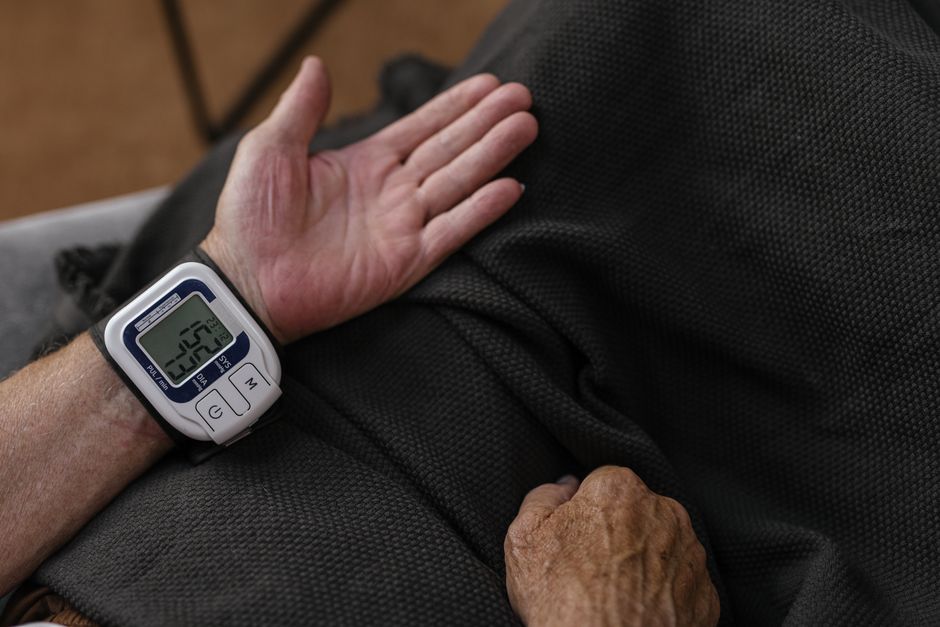
Blood pressure readings are not one-size-fits-all. The “best” reading for you depends on your age, health conditions, and risk factors. For most healthy adults, the goal is a reading below 120/80 mmHg, but your doctor may set a different target based on your specific situation.
What Do The Numbers In A Blood Pressure Reading Mean?
Your blood pressure reading has two numbers. The top number is called systolic pressure. It measures the pressure in your arteries when your heart beats and pushes blood out. The bottom number is called diastolic pressure. It measures the pressure when your heart rests between beats.
Both numbers matter. A reading of 120/80 is said as “120 over 80.” The unit of measurement is millimeters of mercury, written as mmHg. These numbers tell your doctor how hard your heart is working to move blood through your body.
What Is The Best Blood Pressure Reading For You?
For most adults, the best blood pressure reading is below 120/80 mmHg. This is the standard healthy target set by major medical organizations. Readings in this range place you at the lowest risk for heart disease, stroke, and kidney damage.
Your doctor may adjust this target. People with kidney disease, diabetes, or a history of heart attack may benefit from a slightly different goal. Older adults sometimes have higher targets to avoid dizziness and falls from overly aggressive treatment. Your personal target should always come from your doctor, not from a general chart.
Blood Pressure Categories Explained
Medical guidelines divide blood pressure into categories. These categories help doctors decide who needs treatment and who needs monitoring.
| Category | Systolic (top number) | Diastolic (bottom number) |
|---|---|---|
| Normal | Less than 120 | Less than 80 |
| Elevated | 120-129 | Less than 80 |
| Stage 1 Hypertension | 130-139 | 80-89 |
| Stage 2 Hypertension | 140 or higher | 90 or higher |
| Hypertensive Crisis | Higher than 180 | Higher than 120 |
These categories come from the American College of Cardiology and the American Heart Association guidelines. A single high reading does not mean you have hypertension. Doctors usually confirm a diagnosis with multiple readings taken on different days.


Why Your Target May Be Different As You Age
Blood vessels naturally stiffen with age. This can cause systolic pressure to rise while diastolic pressure stays stable or even drops. This pattern is common but not unavoidable.
For adults over 65, some guidelines suggest a target of below 130/80 if well tolerated. The key word is tolerated. Some older adults experience dizziness, lightheadedness, or falls when blood pressure drops too low. In these cases, a slightly higher target may be safer.
Research consistently shows that treating high blood pressure in older adults reduces the risk of stroke and heart failure. The benefit of treatment generally outweighs the risks for most people, even in their 80s. Your doctor will weigh your overall health, medications, and frailty when setting your personal goal.
How To Get An Accurate Reading At Home
Home monitoring is valuable. It gives your doctor more information than a single office visit. But home readings are only useful if you measure correctly.
Follow these steps for accurate home readings:
- Sit quietly for five minutes before measuring
- Keep both feet flat on the floor
- Rest your arm on a flat surface at heart level
- Do not talk during the measurement
- Use a validated cuff that fits your arm properly
- Take two readings one minute apart and record both
Measure at the same times each day. Morning readings before medication are especially helpful. Evening readings capture a different pattern. Bring your log to every appointment.
Office readings can run higher than home readings. This is called white coat hypertension. Some people have the opposite pattern — normal readings in the office but high readings at home. This is called masked hypertension. Home monitoring helps identify both patterns.
Lifestyle Changes That Lower Blood Pressure
Lifestyle changes can lower blood pressure substantially. They work best when combined with medication if medication is needed. These changes are backed by strong clinical evidence.
Reducing sodium intake is one of the most effective dietary changes. Most Americans consume far more sodium than recommended. The average intake is well above the recommended limit of 2,300 mg per day, with many experts suggesting 1,500 mg for people with hypertension. Cutting back on processed foods is the fastest way to reduce sodium.
The DASH diet — Dietary Approaches to Stop Hypertension — has been studied extensively. Research published in the New England Journal of Medicine found that the DASH diet significantly lowers blood pressure within weeks. This diet emphasizes fruits, vegetables, whole grains, and low-fat dairy while limiting saturated fat and sugar.
Regular physical activity also lowers blood pressure. Aerobic exercise such as brisk walking, cycling, or swimming for 150 minutes per week is the standard recommendation. Even light activity like gardening or taking stairs helps.
Alcohol reduction matters. Heavy drinking raises blood pressure. Limiting alcohol to no more than one drink per day for women and two for men is the general guidance. Some people see meaningful drops simply by cutting back.
Weight loss produces consistent results. Losing excess weight lowers blood pressure in most people. The effect is dose-dependent — more weight loss generally means greater blood pressure reduction.
When Medication Is Necessary
Medication is not automatically required for every elevated reading. Your doctor considers your overall cardiovascular risk before prescribing.
For stage 1 hypertension — readings of 130-139/80-89 — doctors may recommend lifestyle changes first. If your risk of heart disease is high, or if you have diabetes or kidney disease, medication may start at this stage. For stage 2 hypertension — readings of 140/90 or higher — medication is typically recommended alongside lifestyle changes.
Several classes of blood pressure medications exist. Common options include ACE inhibitors, angiotensin receptor blockers, calcium channel blockers, and diuretics. Each works through a different mechanism. Your doctor selects based on your age, race, kidney function, and other medical conditions.
Most people need more than one medication to reach their target. This is normal and expected. Taking two medications at lower doses often works better than one medication at a high dose, with fewer side effects.
What To Do In A Hypertensive Crisis
A reading above 180/120 is a hypertensive crisis. This is a medical emergency. If you get this reading, wait five minutes and recheck.
If the second reading is still above 180/120, or if you have symptoms like chest pain, shortness of breath, back pain, numbness, weakness, vision changes, or difficulty speaking, call 911 immediately. Do not wait. Do not drive yourself to the hospital.
If the reading stays high but you have no symptoms, contact your doctor the same day. They will advise you on next steps. Do not try to lower the pressure rapidly by taking extra medication on your own. This can cause dangerous drops in blood pressure.
Frequently Asked Questions
Is 120/80 still considered normal blood pressure?
Yes, 120/80 mmHg is the upper limit of normal for most adults. Readings at or below this level carry the lowest cardiovascular risk.
What is a dangerously low blood pressure reading?
Readings below 90/60 mmHg are considered low blood pressure. This is only dangerous if it causes symptoms like dizziness, fainting, or confusion.
Can I lower my blood pressure without medication?
Yes, many people lower blood pressure through diet, exercise, weight loss, sodium reduction, and limiting alcohol. Your doctor will decide if lifestyle changes alone are sufficient or if medication is also needed.
How often should I check my blood pressure at home?
For most people, checking once or twice daily is sufficient. Take readings at the same times each day and bring your log to appointments.
