
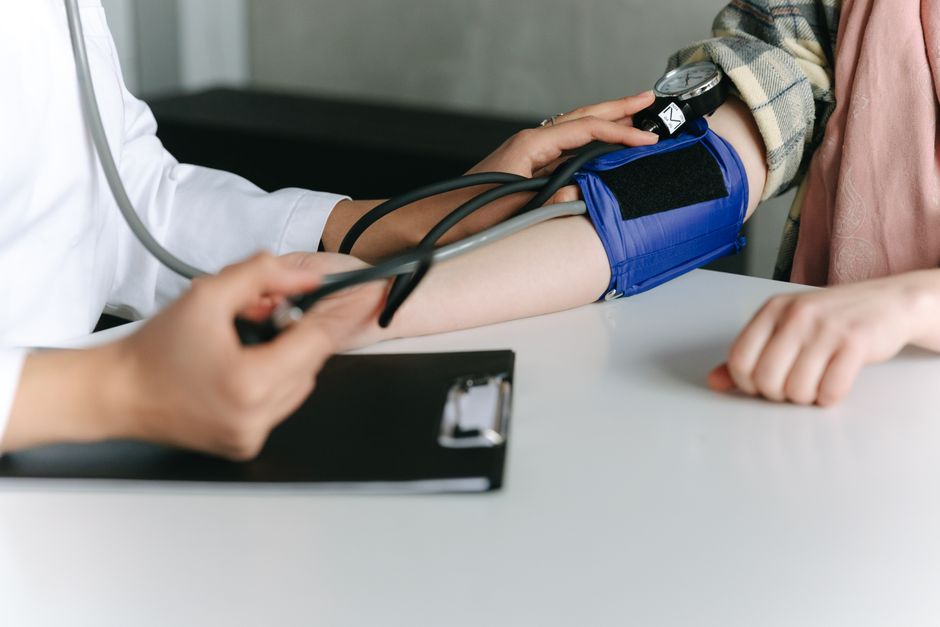
A blood pressure reading of 113/67 mmHg falls squarely within the normal range for most adults. The systolic number (113) is well below the 120 threshold that marks the start of elevated blood pressure, and the diastolic number (67) sits comfortably above the 60 mark that can signal hypotension. For the vast majority of people, this reading is not just healthy—it is close to textbook ideal.
What Do the Numbers 113 and 67 Actually Mean?
Blood pressure is recorded as two numbers. The top number, systolic pressure, measures the force in your arteries when your heart beats and pushes blood out. The bottom number, diastolic pressure, measures the pressure in your arteries when your heart rests between beats.
A reading of 113/67 means your systolic pressure is 113 mmHg and your diastolic pressure is 67 mmHg. Both numbers matter, but they tell slightly different stories about your cardiovascular system. A systolic of 113 shows your heart is pumping efficiently without excessive force. A diastolic of 67 indicates your arteries are relaxing properly between beats.
According to established clinical guidelines, normal blood pressure is defined as systolic below 120 and diastolic below 80. Your reading of 113/67 clears both thresholds with room to spare. It is not prehypertension, it is not stage 1 hypertension, and it is not low blood pressure.
Is 113 67 Blood Pressure Healthy Or Too Low?
113/67 is healthy. It is not too low. Clinical hypotension is generally defined as a reading below 90/60 mmHg. Your systolic number is 23 points above that cutoff, and your diastolic is 7 points above it.
Low blood pressure becomes a concern when it causes symptoms like dizziness, fainting, blurred vision, or fatigue. A person with a reading of 113/67 who feels fine has no reason for concern. In fact, many cardiologists would consider this an optimal target for patients managing hypertension.
The only context where 113/67 might warrant attention is if it represents a sudden drop from your usual baseline. A person who typically runs 140/85 and suddenly reads 113/67 could be experiencing a medication effect, dehydration, or another change. But as a standalone reading, 113/67 is unambiguously healthy.
What Counts as Low Blood Pressure?
Low blood pressure, medically called hypotension, is generally defined as a reading below 90/60 mmHg. But the number alone does not tell the whole story. Many healthy people naturally run blood pressures in the 90s or low 100s systolic without any problems.
What matters more is whether symptoms accompany the numbers. Common symptoms of problematic low blood pressure include:
- Dizziness or lightheadedness, especially when standing up quickly
- Fainting or near-fainting episodes
- Blurred vision
- Nausea
- Fatigue or weakness
- Difficulty concentrating
A reading of 113/67 does not approach the hypotension threshold. Even if you feel dizzy or tired, 113/67 is not low enough to explain those symptoms on its own. Other causes would need to be explored.
Why Lower Blood Pressure Is Usually Better
Blood pressure naturally rises and falls throughout the day. It dips during sleep, spikes during exercise or stress, and settles at a baseline during rest. The cardiovascular system is designed to handle these fluctuations.
The relationship between blood pressure and health follows a curve. Very high blood pressure damages arteries, strains the heart, and increases the risk of heart attack, stroke, and kidney disease. Very low blood pressure can deprive organs of adequate blood flow. Somewhere between those extremes lies the optimal range.
Research consistently shows that lower blood pressure within the normal range is associated with better long-term cardiovascular outcomes. A systolic pressure in the 110s and a diastolic in the 60s is associated with lower risk of heart disease compared to readings in the upper 130s or 140s. The 113/67 reading puts you in that favorable territory.
One clarification worth making: the old idea that “the lower the better” has limits. Studies have found that extremely low blood pressure, particularly diastolic readings below 60, can be associated with increased risk in certain older adults with coronary artery disease. The concern is that very low diastolic pressure may reduce blood flow to the heart muscle itself. But 67 is above that concerning threshold.
How Blood Pressure Is Measured Correctly
Accuracy matters when interpreting any blood pressure reading. A single reading of 113/67 could be affected by how the measurement was taken. Several factors can skew results:
- Caffeine, nicotine, or exercise within 30 minutes before measurement
- A full bladder
- Talking during the measurement
- An improperly sized cuff
- Arm position that is not at heart level
- Sitting without back support or with feet dangling
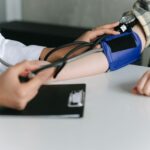
For the most reliable reading, sit quietly for five minutes before measuring. Place your feet flat on the floor, support your back, and rest your arm on a flat surface at heart level. Take two or three readings one minute apart and average them.
If you are checking blood pressure at home, take readings at the same time each day. Morning readings before medication and evening readings before dinner provide a useful picture of your typical range.
When Should You Be Concerned About Your Blood Pressure?
Blood pressure readings outside the normal range deserve attention. The categories established by major cardiovascular organizations provide a framework for understanding risk.
Elevated blood pressure starts at a systolic of 120-129 with a diastolic below 80. Stage 1 hypertension begins at 130-139 systolic or 80-89 diastolic. Stage 2 hypertension is defined as 140 or higher systolic or 90 or higher diastolic. A hypertensive crisis is a reading of 180/120 or higher requiring immediate medical attention.
On the low end, any reading below 90/60 with symptoms like dizziness or fainting warrants evaluation. A reading below 90/60 without symptoms may still be worth mentioning to your doctor, especially if it is new for you.
Your reading of 113/67 does not fall into any of these concerning categories. It is squarely in the normal range that guidelines describe as optimal.
What Could Cause a Reading of 113/67 to Change?
Blood pressure is not fixed. It changes with age, weight, diet, activity level, stress, and medication. A reading of 113/67 today does not guarantee the same reading next year.
Blood pressure tends to rise with age as arteries become less flexible. This is why regular monitoring becomes more important as you get older. Lifestyle factors that help maintain healthy blood pressure include regular physical activity, a diet rich in fruits and vegetables, limited sodium intake, moderate alcohol consumption, and maintaining a healthy weight.
Some medications can lower blood pressure significantly. If you take blood pressure medication and your readings drop into the 90s systolic or below, your doctor may adjust your dose. But 113/67 is not a reading that would typically prompt a medication adjustment unless you are experiencing symptoms.
Frequently Asked Questions
Is 113/67 blood pressure too low for a woman?
No, 113/67 is a normal blood pressure reading for women or men. It falls within the healthy range defined by clinical guidelines and is not considered low blood pressure.
Is 113/67 blood pressure good for seniors?
Yes, 113/67 is generally a healthy reading for older adults, though some doctors prefer slightly higher diastolic pressure in seniors with heart disease. If you feel well and take no blood pressure medication, this reading is not a concern.
Should I worry if my blood pressure is 113 over 67?
No, you should not worry. This reading is normal, healthy, and well above the threshold for hypotension. No medical action is needed based on this number alone.
Can 113/67 blood pressure cause dizziness?
Unlikely. Dizziness from low blood pressure typically occurs at readings below 90/60. If you have dizziness with a reading of 113/67, other causes such as inner ear problems, dehydration, or anemia should be considered.
