
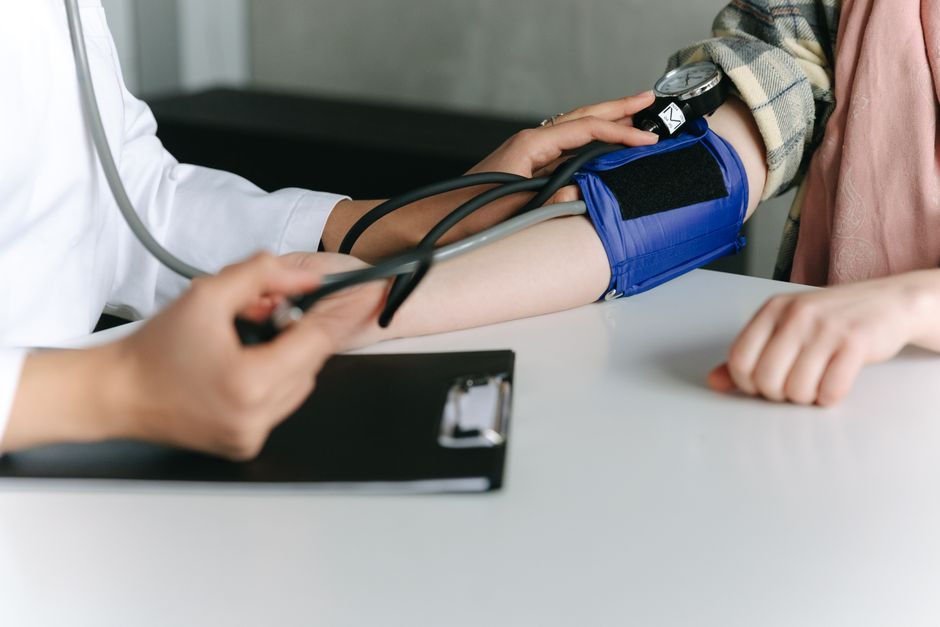
Blood pressure machines measure a real physical event in your body: the force of blood pushing against your artery walls. You cannot change what that force is in the moment. You can, however, change the conditions around the measurement, and that is where the idea of “tricking” the machine comes from. The honest answer is that most tricks don’t fool the device — they fool the person reading the number, and they do so by changing your actual blood pressure temporarily. The real risk is not that you outsmart the cuff; it is that you hide a genuine health problem from your doctor and delay treatment that could prevent a heart attack or stroke.
How To Trick A Blood Pressure Machine The Real Risks?
People search for this question for many reasons. Some are anxious about a high reading and want to avoid being labeled with hypertension. Others worry about losing a job, failing a physical, or being denied insurance. Whatever the reason, the methods people use fall into two categories: changing the measurement conditions or changing the body’s response. The first category includes things like sitting quietly, using the correct cuff size, and placing the cuff properly. These are not tricks — they are the standard steps for getting an accurate reading. The second category includes holding your breath, crossing your legs, or flexing your arm muscles to alter the reading. These are the true tricks, and they work by temporarily changing your blood pressure.
The risk is straightforward. A falsely low reading can convince you and your doctor that your blood pressure is fine when it is not. Untreated high blood pressure damages blood vessels, the heart, the kidneys, and the brain over time. It is often called the silent killer because it produces no symptoms until significant damage has occurred. The danger of tricking the machine is not that you fool it — it is that you fool yourself.
What Actually Happens When You Try To Trick The Machine?
Blood pressure is not a fixed number. It changes beat to beat, minute to minute, and hour to hour. It rises when you walk, talk, or feel stressed. It falls when you rest. The machine simply captures a snapshot of this ever-changing value. When you hold your breath, your blood pressure rises, not falls. When you tense your muscles, you compress blood vessels and force the pressure up. Some people try to lower their reading by taking slow deep breaths, which can lower blood pressure slightly — but only while you are doing it. The moment you stop, your pressure returns to its natural level.
One commonly discussed method is the “white coat” effect, where blood pressure rises in a medical setting due to anxiety. Some people try to counteract this by sitting quietly for five minutes before the reading. This is not a trick; it is exactly what guidelines recommend. The machine is not being fooled. Your blood pressure is genuinely lower after a period of rest. The same applies to avoiding caffeine, not smoking for 30 minutes before the test, and having an empty bladder. These are all legitimate ways to get a more accurate reading, not to deceive anyone.
What does not work is trying to mentally control the number. You cannot think your way to a lower blood pressure. The autonomic nervous system regulates blood pressure without your conscious input. Attempting to relax is fine, but it will not override a genuinely elevated pressure caused by narrowed arteries or excess fluid volume.
Why The “Tricks” Are Dangerous
The most serious risk is delayed diagnosis. High blood pressure is defined as a sustained reading of 130/80 mmHg or higher, according to current guidelines from major cardiovascular organizations. If you consistently produce artificially low readings, your doctor may not prescribe medication or recommend lifestyle changes that could protect your heart. Meanwhile, the damage continues. Over years, elevated pressure thickens the heart muscle, scars the kidneys, and accelerates plaque buildup in the arteries. When the damage finally becomes apparent — through a heart attack, stroke, or kidney failure — the opportunity for early intervention is gone.
There is also a subtler risk. Some people who successfully produce a low reading feel a sense of relief and stop monitoring their blood pressure altogether. They may stop taking prescribed medication because they believe their pressure is controlled. Stopping blood pressure medication suddenly can cause a dangerous rebound effect where pressure spikes well above baseline. This is a known clinical phenomenon and can trigger a hypertensive crisis, which requires emergency medical care.
Another risk is the false reassurance that comes from a single low reading. Blood pressure varies naturally throughout the day. One low reading does not mean your average pressure is low. Home monitoring guidelines recommend taking multiple readings at the same time each day for several days to establish a reliable average. A single tricked reading tells you nothing about your true cardiovascular risk.



What The Machine Can And Cannot Detect
An automated blood pressure cuff measures the pressure at which blood flow resumes in the brachial artery as the cuff deflates. It detects vibrations in the artery wall through oscillometry. The machine is not fooled by your posture, your breathing, or your thoughts. It measures what is happening in your artery at that exact moment. If your blood pressure is genuinely elevated, the machine will record an elevated number unless you physically alter your body in a way that changes the pressure itself.
Some people believe that crossing their legs or crossing their ankles lowers the reading. In fact, crossing your legs can raise blood pressure by a few points because it increases resistance in the blood vessels. Sitting with your back unsupported or your feet dangling can also raise the reading. The only way to get a lower number is to genuinely lower your blood pressure, which takes time and lifestyle change — not a quick trick in the exam room.
The machine also cannot tell you whether your blood pressure is high because of anxiety, because of a medical condition, or because of a medication side effect. That interpretation requires a clinician who looks at your full picture. A single reading, tricked or not, is just one data point. It does not diagnose anything on its own.
How To Get A Truly Accurate Reading
If your goal is an accurate reading rather than a deceiving one, the steps are simple and well established. Sit in a chair with your back supported and both feet flat on the floor. Do not cross your legs. Place the cuff on your bare upper arm, positioned at heart level. Rest for five minutes in silence before pressing the start button. Do not talk during the measurement. Empty your bladder beforehand. Avoid caffeine, exercise, and smoking for at least 30 minutes prior.
Use a cuff that fits your arm. A cuff that is too small will give a falsely high reading. A cuff that is too large will give a falsely low reading. Most home monitors come with a standard cuff that fits arms of a certain circumference. If your arm is larger or smaller than average, you may need a different cuff size. Your doctor’s office should have multiple sizes available.
Take two readings one minute apart and use the average. If the two readings differ by more than 5 mmHg, take a third. This protocol is recommended by clinical guidelines and produces a much more reliable estimate of your true blood pressure than a single rushed reading. If you are monitoring at home, take readings at the same time each morning and evening for a week before sharing the numbers with your doctor.
When A High Reading Is Real
If you get a high reading at home, do not panic. A single high reading does not mean you have hypertension. Blood pressure naturally fluctuates, and many factors — stress, poor sleep, pain, a full bladder — can push it up temporarily. The guideline is to take multiple readings over several days. If your average remains at or above 130/80 mmHg, you should discuss this with your doctor.
If your home monitor shows a reading of 180/120 mmHg or higher, wait five minutes and take it again. If it is still that high, contact your doctor or seek medical attention. A reading at this level can indicate a hypertensive crisis, especially if accompanied by chest pain, shortness of breath, vision changes, or difficulty speaking. These symptoms warrant immediate emergency care.
The point of measuring blood pressure is not to produce a pleasing number. It is to detect a condition that can be treated. High blood pressure is one of the most manageable cardiovascular risk factors. Medication, dietary changes, exercise, and stress management can all lower it effectively. The treatment works only if you know the problem exists.
What Doctors Actually Think About The “Tricks”
Clinicians are aware that some patients try to produce lower readings. They are also trained to recognize the signs. A patient who appears calm but produces a reading far lower than their usual range may be asked to repeat the measurement. Doctors may recommend home monitoring or 24-hour ambulatory blood pressure monitoring, which takes readings every 30 minutes during the day and night. These methods are much harder to influence and give a far more accurate picture of your average blood pressure.
The real conversation you should have with your doctor is not about how to lower the number on the machine. It is about what your blood pressure means for your health. If you are worried about a high reading, say so. Your doctor can help you understand your risk and develop a plan to address it. That is the only approach that protects your heart, your brain, and your kidneys over the long term.
Frequently Asked Questions
Can you actually trick a blood pressure machine?
You cannot fool the machine, but you can temporarily change your blood pressure by altering your body position, breathing, or muscle tension. These changes produce a reading that does not reflect your usual blood pressure.
What happens if I hold my breath during a blood pressure reading?
Holding your breath raises your blood pressure, not lowers it. This can produce a falsely high reading and does not help you achieve a lower number.
Is it dangerous to fake a low blood pressure reading?
Yes, it can be dangerous because it may delay diagnosis and treatment of high blood pressure. Untreated hypertension increases the risk of heart attack, stroke, and kidney damage over time.
What is the correct way to get an accurate blood pressure reading?
Sit with your back supported, feet flat on the floor, and the cuff on your bare upper arm at heart level. Rest quietly for five minutes before taking the reading and do not talk during the measurement.
