
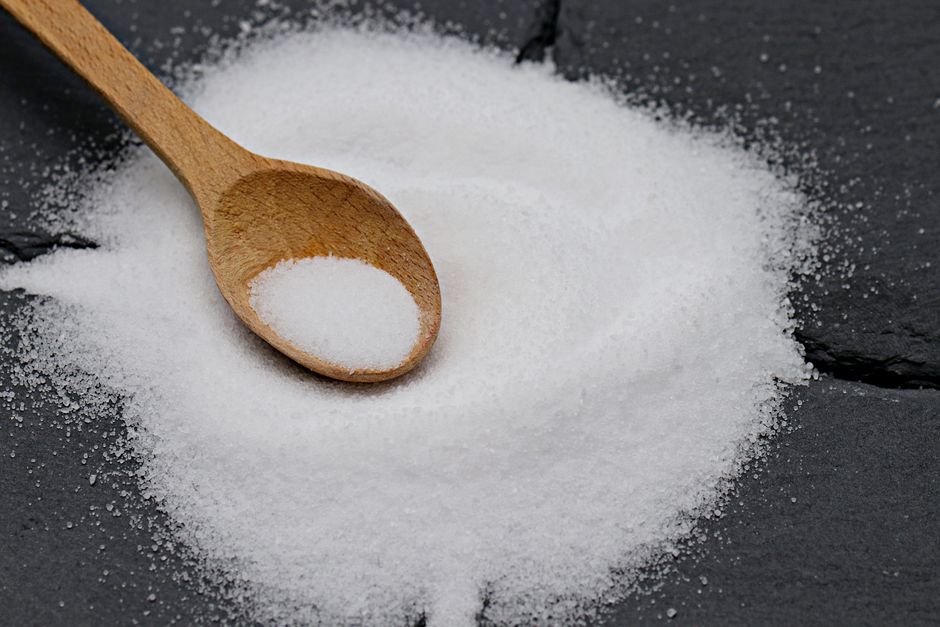
Sodium is an essential mineral your body needs to function, but most Americans consume far more than their bodies can handle. The well-known risk of a high-sodium diet is high blood pressure, but that is only the beginning. Excess sodium can damage your heart, kidneys, brain, and bones through several distinct pathways that often go unnoticed until serious damage is done.
How Does Sodium Actually Raise Blood Pressure?
Sodium attracts water. When your bloodstream contains excess sodium, your body holds onto more fluid to dilute it. This extra fluid increases the total volume of blood pumping through your veins and arteries, which puts more pressure on your vessel walls.
Over time, this constant pressure damages the delicate inner lining of your arteries. Damaged arteries become stiff and narrow, which forces your heart to work harder to push blood through them. This cycle is how high sodium intake leads to chronic hypertension, a condition affecting nearly half of all American adults.
Some people are more salt-sensitive than others. Age, genetics, and existing health conditions like diabetes all influence how strongly your blood pressure responds to sodium. Even if your blood pressure numbers look normal today, years of high sodium intake can gradually push them into dangerous territory.
Why Is Sodium Bad For You Risks Beyond Blood Pressure
Blood pressure gets most of the attention, but sodium damages your body through other mechanisms that operate independently of hypertension. These risks affect people even when their blood pressure readings remain in the normal range.
The heart is a primary target. High sodium intake increases the thickness of your heart muscle, a condition called left ventricular hypertrophy. This thickening makes the heart less efficient at pumping blood and raises your risk of heart failure, regardless of whether you have high blood pressure.
Your arteries also suffer directly. Sodium promotes inflammation in blood vessel walls and accelerates the stiffening process that naturally occurs with age. Stiff arteries cannot expand and contract smoothly, which disrupts blood flow to vital organs.
Research consistently shows that people who consume high-sodium diets have higher rates of cardiovascular events, including heart attacks and strokes, even after accounting for blood pressure differences. This suggests sodium harms the cardiovascular system through multiple pathways, not just through hypertension.
Can Sodium Damage Your Kidneys?
Your kidneys are responsible for filtering excess sodium from your blood and excreting it in urine. When you consistently consume more sodium than your kidneys can process, they must work overtime to maintain balance.
This extra workload damages the tiny filtering units inside your kidneys called nephrons. Over years, this damage reduces kidney function and can progress to chronic kidney disease. People with existing kidney problems are especially vulnerable because their kidneys already struggle to remove sodium efficiently.
High sodium intake also increases the amount of protein in your urine, a marker of kidney damage. This protein leakage occurs even in people with normal blood pressure, indicating that sodium harms the kidneys through direct mechanisms, not just through hypertension.
For people with chronic kidney disease, reducing sodium intake is one of the most effective ways to slow disease progression. Some studies suggest that even modest sodium reduction can meaningfully reduce the risk of kidney failure in high-risk populations.





What Does Sodium Do To Your Brain?
The brain requires a carefully regulated blood supply to function properly. High sodium intake increases the risk of both ischemic strokes, caused by blocked blood vessels, and hemorrhagic strokes, caused by bleeding in the brain.
High blood pressure is the strongest risk factor for stroke, and sodium drives blood pressure up. But emerging research suggests sodium may also damage the brain through mechanisms unrelated to blood pressure.
Some studies have found associations between high sodium intake and cognitive decline, including a higher risk of dementia. The proposed mechanism involves damage to the small blood vessels that supply oxygen and nutrients to brain tissue. When these tiny vessels become damaged, brain cells gradually die, leading to memory problems and reduced mental function.
These findings are still being investigated, and researchers have not established a definitive causal link between sodium and dementia. However, the existing evidence is concerning enough that many researchers consider high sodium intake a potential contributor to age-related cognitive decline.
How Does Sodium Affect Your Bones?
Your body maintains a careful balance of calcium in your blood. When you consume excess sodium, your kidneys excrete more calcium in your urine to maintain that balance. This calcium loss comes from your bones.
Over years, this ongoing calcium drain can weaken your bones and increase your risk of osteoporosis and fractures. This is particularly concerning for older adults, especially postmenopausal women, who already face elevated osteoporosis risk.
Research has shown that reducing sodium intake decreases calcium loss in urine. Some studies have found that high-sodium diets are associated with lower bone density, although the effect is modest compared to other osteoporosis risk factors like age, hormone status, and vitamin D levels.
The good news is that this effect may be partially reversible. When you reduce sodium intake, your body retains more calcium, which can help preserve bone density over time. This is one more reason to pay attention to your sodium consumption, particularly as you age.
What Are The Other Hidden Risks Of Excess Sodium?
High sodium intake has been linked to stomach cancer. The World Health Organization classifies salt-preserved foods as a probable cause of stomach cancer, and research has found that people who consume high-salt diets have elevated rates of this cancer.
Excess sodium can also contribute to kidney stones. Because sodium increases calcium excretion, it creates conditions that promote stone formation in the urinary tract. People prone to kidney stones are often advised to reduce their sodium intake as part of their prevention strategy.
Some research has linked high sodium intake to obesity, though the relationship is complex. High-sodium foods are often highly processed and calorie-dense, making it difficult to separate the effects of sodium from the effects of the foods that contain it.
There is also evidence that high sodium intake may contribute to chronic inflammation throughout the body. Inflammation is a risk factor for many chronic diseases, including diabetes, heart disease, and autoimmune conditions.
How Much Sodium Do You Actually Need?
Your body requires only a small amount of sodium to function properly. The minimum amount needed for essential bodily functions is roughly 500 milligrams per day, an amount most people exceed with a single meal.
Federal dietary guidelines recommend limiting sodium to no more than 2,300 milligrams per day for most adults. The American Heart Association takes a stricter stance, recommending an ideal limit of 1,500 milligrams per day, especially for people with high blood pressure, diabetes, or kidney disease.
The average American consumes about 3,400 milligrams of sodium per day, well above even the more generous federal guideline. This means most people need to make significant reductions to reach recommended levels.
About 70 percent of the sodium in the American diet comes from processed and restaurant foods, not from the salt shaker. Bread, pizza, sandwiches, soups, cured meats, and canned foods are among the top sources of dietary sodium. Reducing these foods is the most effective way to lower your sodium intake.
How Can You Reduce Your Sodium Intake?
The most effective strategy is to cook more meals at home using fresh ingredients. Whole foods like fruits, vegetables, unprocessed meats, and grains are naturally low in sodium. When you control the cooking, you control the salt.
Read nutrition labels carefully. Sodium content varies widely between similar products, and many foods that do not taste salty, like bread and breakfast cereals, contain surprising amounts of sodium. Compare brands and choose the lowest-sodium options.
When eating out, ask for dishes prepared without added salt. Many restaurants are willing to accommodate this request. Be aware that sauces, dressings, and condiments are often sodium bombs, so request them on the side or skip them entirely.
Pay attention to the salt shaker at home. Most people add salt out of habit rather than taste. Try cooking without added salt and seasoning with herbs, spices, lemon juice, and vinegar instead. Your taste buds will adapt within a few weeks, and foods will begin to taste overly salty when you encounter them.
Gradually reducing sodium is more sustainable than trying to make drastic changes overnight. Small reductions, maintained consistently, produce meaningful health benefits over time. Every 1,000 milligram reduction in daily sodium intake lowers systolic blood pressure by several points, which translates into reduced risk of heart attack, stroke, and kidney disease.
Frequently Asked Questions
Is sodium bad for you if your blood pressure is normal?
Yes, high sodium intake can damage your heart, kidneys, and bones even when blood pressure is normal. These organs are affected through mechanisms independent of blood pressure.
What is the difference between salt and sodium?
Salt is sodium chloride, a compound that is about 40 percent sodium by weight. One teaspoon of salt contains approximately 2,300 milligrams of sodium, which is the entire daily recommended limit.
How quickly can reducing sodium lower blood pressure?
Blood pressure reductions can begin within days of reducing sodium intake, with more substantial changes over several weeks. The effect varies by individual, and people who are salt-sensitive may see larger improvements.
Are sea salt and pink Himalayan salt healthier than table salt?
No, these fancy salts have nearly the same sodium content as regular table salt. Any health differences are negligible, and they should be limited just like ordinary salt.
