
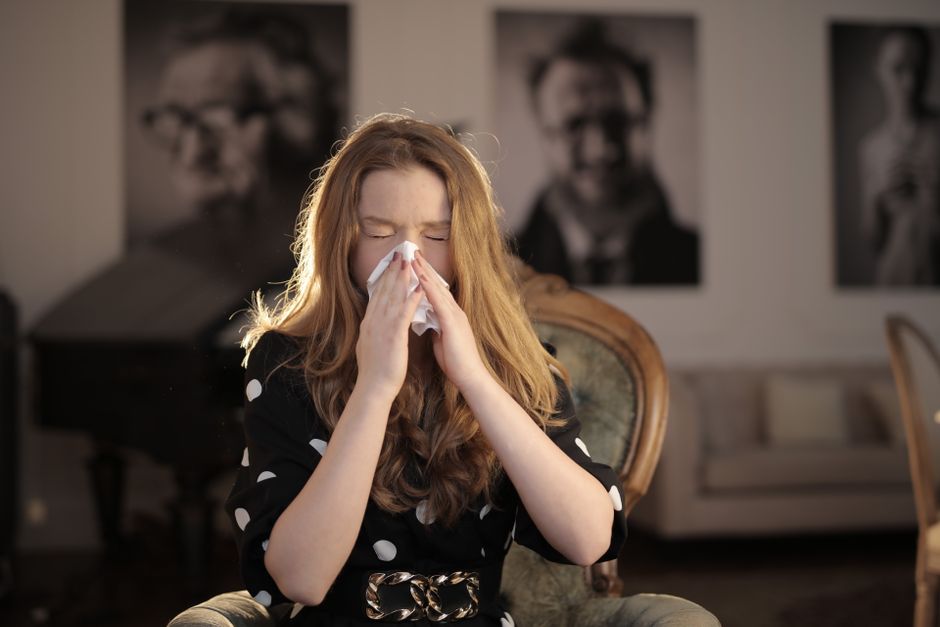
Continuous sneezing is your body’s forceful response to an irritant in your nose. When something touches the lining of your nasal passages, your body tries to expel it with a sudden, powerful burst of air. To stop continuous sneezing, you need to identify and remove the trigger, whether that is an allergen, a virus, or an irritant in your environment. Antihistamines, nasal saline rinses, and avoiding known triggers are the most reliable ways to break the cycle.
What Causes Continuous Sneezing?
Sneezing happens when the mucous membrane inside your nose gets irritated. The irritation sends a signal through the trigeminal nerve to your brain. Your brain then triggers a reflex that forces air out of your lungs through your nose and mouth.
Continuous sneezing means the irritant is still present or your body is still reacting to it. The most common causes fall into a few categories.
- Allergies: Pollen, dust mites, pet dander, and mold are frequent culprits. Your immune system treats these harmless particles as threats and releases histamine, which causes sneezing, itching, and a runny nose.
- Viral infections: The common cold and flu irritate the nasal lining directly. Sneezing during a cold is your body trying to clear the virus from your airways.
- Environmental irritants: Smoke, strong perfumes, pollution, and chemical fumes can trigger sneezing in anyone, even without allergies.
- Sudden temperature changes: Moving from a cold room to warm outdoors, or vice versa, can trigger a few sneezes in some people. This is called a gustatory or thermal reflex.
- Bright light: About one in three people sneeze when they look at bright light. This is known as the photic sneeze reflex, or ACHOO syndrome. It is genetic and harmless.
In most cases, sneezing is not dangerous. It becomes a problem when it is frequent, disruptive, or accompanied by other symptoms.
How To Stop Continuous Sneezing Tips And Triggers
Stopping continuous sneezing starts with knowing what is causing it. If you can remove the trigger, the sneezing usually stops within minutes.
For allergies, the most effective approach is avoidance. If pollen is the problem, keep windows closed during high pollen times and shower after being outdoors. If dust mites are the issue, wash bedding in hot water weekly and use allergen-proof covers on pillows and mattresses.
Over-the-counter antihistamines can block the histamine release that drives allergic sneezing. Second-generation antihistamines like cetirizine, loratadine, and fexofenadine are less likely to cause drowsiness than older options. They work best when taken before exposure to the allergen, but they also help once symptoms start.
Nasal saline rinses physically flush out irritants and allergens from your nasal passages. A neti pot or squeeze bottle with sterile saline solution can provide quick relief. Use distilled, sterile, or previously boiled water to make the solution. Tap water that has not been boiled is not safe for nasal rinsing because it can contain organisms that cause serious infections.
For sneezing caused by a cold or flu, time is the main treatment. Rest, fluids, and saline sprays can ease symptoms while your immune system clears the virus. Antihistamines are less helpful for viral sneezing because the mechanism is different.
If sneezing is triggered by bright light, wearing sunglasses outdoors can help. If temperature changes are the cause, covering your nose with a scarf in cold air may reduce the reflex.
When To See a Doctor
Sneezing alone rarely requires medical attention. But continuous sneezing combined with other symptoms can signal a problem that needs evaluation.
See a doctor if you have any of the following:
- Sneezing with wheezing or shortness of breath
- Facial pain or pressure that lasts more than a week
- Thick, yellow, or green nasal discharge that persists
- Sneezing after starting a new medication
- Sneezing that interferes with sleep or daily activities despite using over-the-counter treatments
Persistent sneezing with facial pain could indicate sinusitis, an inflammation of the sinus cavities. Chronic sinusitis can last 12 weeks or longer and may require prescription treatments.
If you have severe allergies that do not respond to over-the-counter antihistamines, an allergist can perform testing to identify specific triggers. Allergy immunotherapy, such as allergy shots or under-the-tongue tablets, can reduce your sensitivity to specific allergens over time. This treatment takes months to years and is not a quick fix.





Home Remedies That Actually Work
Some home remedies for sneezing have solid evidence behind them. Others are popular but not well studied.
Saline nasal sprays and rinses are the most evidence-backed home approach. They are safe, cheap, and effective at removing irritants. Studies have shown regular saline rinses reduce symptoms in people with allergic rhinitis.
Steam inhalation can temporarily soothe irritated nasal passages. A warm shower or a bowl of hot water with a towel over your head can add moisture to the air you breathe. The evidence for steam treating nasal symptoms is mixed, but it is generally safe if done carefully to avoid burns.
Staying hydrated keeps your nasal mucus thin and easier to clear. This is a reasonable supportive measure, though it will not stop sneezing on its own.
Some people try herbal remedies like butterbur or quercetin for allergies. The evidence for these is limited and inconsistent. Butterbur has been linked to liver toxicity in some preparations, so it should not be used without medical supervision. No herbal remedy has been proven to stop continuous sneezing as effectively as standard antihistamines.
How To Tell If It Is Allergies or a Cold
Knowing whether your sneezing comes from allergies or a virus changes how you treat it. The two conditions share symptoms but have different timelines and patterns.
Allergies often cause sneezing in bursts, along with itchy eyes, nose, and throat. Symptoms last as long as you are exposed to the allergen, which can be weeks or months. There is no fever with allergies.
Colds develop over a few days and usually last 7 to 10 days. Sneezing from a cold often comes with a sore throat, cough, and sometimes a low fever. The nasal discharge starts clear and may become thicker and colored after a few days.
If your sneezing occurs at the same time every year, allergies are more likely. If it follows contact with a specific animal or environment, that is also a clue. If it comes with body aches and fever, a viral infection is more probable.
Allergy testing through a doctor can confirm specific triggers. Skin prick tests and blood tests for allergen-specific IgE antibodies are the standard diagnostic tools.
When Sneezing Is Not Harmless
Most sneezing is benign, but there are rare cases where it signals something more serious.
Some people experience sneezing as part of a migraine episode. This is uncommon but documented. If sneezing consistently precedes or accompanies severe headaches, mention it to your doctor.
Sneezing during pregnancy is common and usually harmless. Hormonal changes can cause nasal congestion and increased sneezing, sometimes called pregnancy rhinitis. This typically resolves after delivery. Antihistamines are sometimes used in pregnancy, but you should always check with your obstetrician before taking any medication while pregnant.
Very rarely, sneezing can be a sign of a neurological condition. A tumor or lesion affecting the brainstem can cause uncontrolled sneezing. This is extremely rare, and it would typically come with other neurological symptoms like weakness, vision changes, or coordination problems.
Do not assume the worst if you are sneezing. The vast majority of cases are allergic or viral. But if sneezing is relentless and unexplained, a medical evaluation is reasonable.
Can You Stop a Sneeze Once It Starts?
Once a sneeze begins, you cannot fully stop it. The reflex is automatic. But you can sometimes interrupt it in the early stages.
Some people find that pressing their tongue to the roof of their mouth or pinching their nose at the first tickle can abort a sneeze. This works for some people some of the time, but the evidence is anecdotal. It is not a reliable method.
Do not try to hold in a sneeze by clamping your nose and mouth shut completely. This can increase pressure in your airways and, in rare cases, cause injury. Reported complications include ruptured eardrums, damage to the throat, and even bleeding in the brain. These are extremely rare, but the risk is not worth it.
If you feel a sneeze coming and want to prevent it, exhale slowly and steadily through your mouth. This may reduce the intensity of the reflex. It does not always work, but it is safe to try.
Frequently Asked Questions
Why do I sneeze 10 times in a row?
Multiple sneezes in a row happen when the irritant is not fully cleared by the first sneeze, so your body repeats the reflex until the nasal passages are clear. Allergies, viral infections, and strong irritants can all cause this pattern.
How do I stop sneezing from allergies fast?
Take an over-the-counter antihistamine and rinse your nasal passages with a sterile saline solution to remove the allergen. Moving away from the trigger, such as going indoors if pollen is high, should also help within minutes.
Can sneezing be a sign of a serious condition?
In rare cases, yes, but most sneezing is caused by allergies or viruses. If sneezing comes with neurological symptoms like weakness or vision changes, or with severe facial pain lasting over a week, seek medical evaluation.
Does holding in a sneeze cause damage?
Holding in a sneeze by pinching your nose and mouth shut can rarely cause injuries like a ruptured eardrum or throat damage. Let the sneeze happen naturally rather than trying to suppress it completely.
