
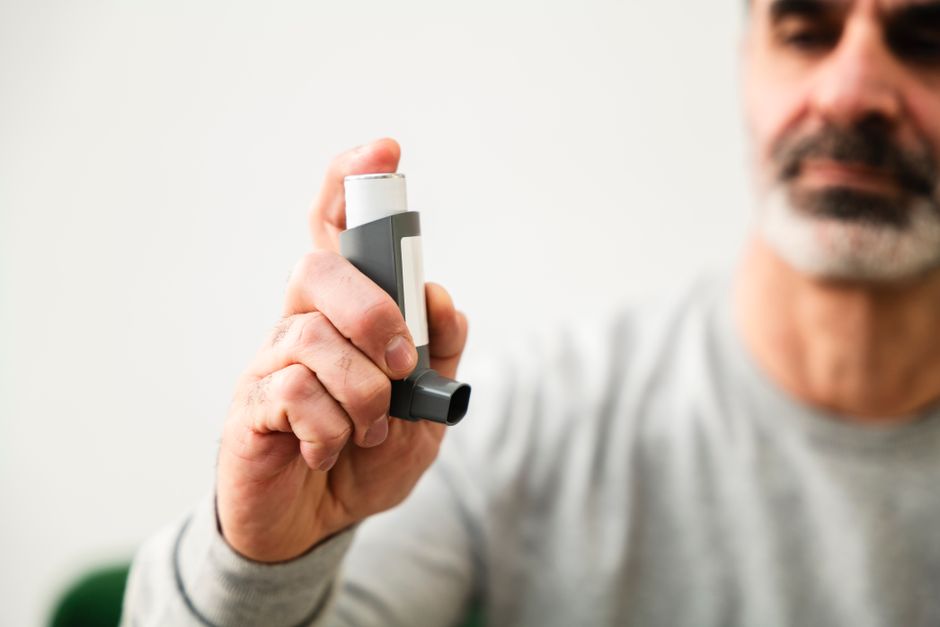
Asthma cannot be prevented from developing, but asthma attacks usually can be. The most effective approach is to identify your personal triggers, reduce exposure to them, and keep your underlying airway inflammation controlled with the treatment your clinician prescribes. Most people with asthma can cut the number and severity of attacks by combining trigger avoidance with consistent use of controller medication.
How Do You Prevent Asthma Triggers And Risk Factors?
Prevention works on two levels. The first is controlling the chronic inflammation in your airways so they are less reactive in the first place. The second is avoiding the specific things that set off symptoms.
Asthma is a chronic inflammatory condition of the airways. Even when you feel fine, the lining of your airways can be swollen and sensitive. When you encounter a trigger, those already-irritated airways tighten and produce mucus. That is why prevention is not just about dodging triggers — it is also about treating the inflammation that makes triggers so powerful.
Triggers vary from person to person. What causes an attack in one person may do nothing to another. This is why a personal trigger list, built with your clinician, matters more than any general list.
What Are the Most Common Asthma Triggers?
Certain triggers show up again and again in people with asthma. Knowing the common ones helps you figure out your own.
- Allergens: dust mites, pet dander, cockroach droppings, mold, and pollen
- Respiratory infections: colds and flu are among the most frequent asthma triggers
- Tobacco smoke: both your own smoking and secondhand smoke
- Air pollution and strong odors: traffic exhaust, smoke from fires, perfume, cleaning chemicals
- Cold air and sudden weather changes
- Exercise, especially in cold or dry air
- Emotional stress and strong emotions like laughing or crying hard
- Certain medications, including some pain relievers in people who are sensitive to them
- Acid reflux
Viral respiratory infections deserve special mention. In both children and adults, the common cold is one of the leading causes of asthma flare-ups. This is one reason flu vaccination is often recommended for people with asthma — it reduces the chance of one common respiratory infection that can set off symptoms.
How Do You Reduce Allergen Exposure at Home?
If allergies drive your asthma, reducing allergens where you sleep and spend the most time can lower your exposure. The bedroom is usually the priority because you spend hours there every night.
For dust mites, which live in bedding, upholstered furniture, and carpets, several steps help:
- Use allergen-proof covers on mattresses and pillows
- Wash bedding weekly in hot water
- Keep indoor humidity below about 50 percent, since dust mites thrive in damp air
- Reduce clutter that collects dust
- Replace carpet with hard flooring where possible
For pet dander, the most effective step is keeping pets out of the bedroom and off the bed. Bathing pets regularly may reduce dander, though results vary. There is no truly hypoallergenic breed — dander comes from skin, saliva, and urine, not just fur.
For mold, fix leaks promptly, run exhaust fans in bathrooms and kitchens, and clean visible mold with appropriate products while wearing protection. For cockroaches, seal food, fix leaks, and use integrated pest control.
Air purifiers with HEPA filters can reduce airborne particles in a single room. The evidence that they meaningfully improve asthma control on their own is limited, and they do not remove allergens from surfaces or bedding. They work best as one part of a broader plan, not a standalone fix.





Does Treating Inflammation Prevent Attacks?
Yes. This is the part of prevention people most often overlook. Avoiding triggers helps, but if your airways stay inflamed, they remain primed to react.
Inhaled corticosteroids are the mainstay of long-term asthma control for most people with persistent asthma. They reduce airway inflammation over time, which makes the airways less likely to overreact when you do encounter a trigger. This is well established across decades of research.
The catch is that these medications work only if taken consistently, even when you feel well. Many people stop their controller medication when symptoms fade, then wonder why attacks return. Symptoms improving is a sign the medication is working, not a sign you can stop it without talking to your clinician first.
Your clinician may also prescribe a written asthma action plan. This is a personalized document that explains what to do when symptoms are controlled, when they worsen, and when to seek emergency care. Studies indicate that people who use written action plans tend to have better outcomes, including fewer emergency visits.
What Role Do Vaccines and Infections Play?
Respiratory infections are a major trigger, so reducing your risk of catching them matters.
Annual influenza vaccination is widely recommended for people with asthma. The evidence on whether it reduces asthma attacks specifically is somewhat mixed, but it clearly reduces the risk of serious flu illness, which can be dangerous for people with asthma. Current guidance from public health authorities recommends annual flu vaccination for most people with asthma.
COVID-19 vaccination is also generally recommended for people with asthma, following current public health guidance. Beyond vaccination, basic measures help: washing hands, avoiding close contact with sick people when possible, and staying home when you are ill.
Some people ask whether avoiding all infections in early childhood could prevent asthma from developing. The evidence here is genuinely mixed and the relationship is complicated. No current strategy reliably prevents asthma from developing in the first place.
Can Lifestyle Changes Lower Your Risk?
Some lifestyle factors are linked to asthma control, though the strength of evidence varies.
Not smoking, and avoiding secondhand smoke, is one of the clearest steps. Smoking irritates airways, reduces the effectiveness of controller medications, and is linked to worse asthma outcomes. If you smoke, quitting is one of the most impactful things you can do for your asthma.
Maintaining a healthy weight may help. Obesity is associated with more severe asthma and poorer control, and weight loss in people with obesity has been linked to improved symptoms in some studies. The relationship is real but complex, and weight loss is not a guaranteed fix.
Regular physical activity is generally encouraged for people with asthma. Exercise is a trigger for some, but with proper management — including pre-exercise medication when prescribed — most people with asthma can and should stay active. Avoiding exercise entirely is usually the wrong approach.
Managing stress and getting enough sleep support overall health. Stress is a known trigger for some people, and poor sleep is associated with worse asthma control, though the direction of that relationship is not fully clear.
When Should You See a Clinician?
See your clinician if you use a rescue inhaler more than twice a week, wake at night with symptoms, or find that your symptoms are limiting your daily activities. These are signs your asthma may not be well controlled.
Seek emergency care for severe symptoms: difficulty speaking in full sentences, lips or fingernails turning blue, chest tightness that does not improve with a rescue inhaler, or a peak flow reading in the danger zone of your action plan.
Prevention is not about eliminating every possible trigger — that is not realistic. It is about understanding your own triggers, controlling the inflammation underneath, and having a plan for when symptoms flare. That combination is what keeps most people with asthma out of the emergency room.
Frequently Asked Questions
Can asthma be prevented from developing in the first place?
No reliable strategy currently prevents asthma from developing. Some research has explored early-life factors, but no intervention has been confirmed to prevent the condition.
What is the single most effective way to prevent asthma attacks?
Controlling airway inflammation with consistent use of prescribed controller medication, combined with avoiding your personal triggers, is the most effective approach. Neither works as well alone.
Do air purifiers help with asthma?
HEPA air purifiers can reduce airborne allergens in a single room, but evidence that they improve asthma control on their own is limited. They work best as one part of a broader plan.
Can exercise trigger asthma, and should I avoid it?
Exercise can trigger symptoms in some people, but most people with asthma can stay active with proper management, including medication before exercise when prescribed. Avoiding exercise entirely is usually not recommended.
