
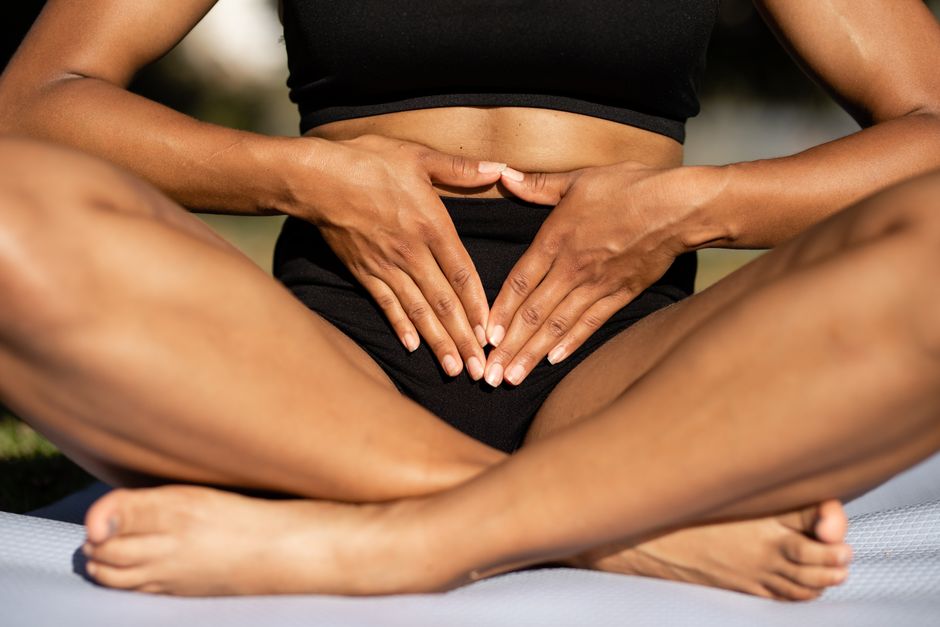
After finishing your colonoscopy prep, the watery diarrhea typically stops within 2 to 4 hours of your last bowel movement. For most people, bowel movements taper off gradually rather than stopping all at once. Once your stools run clear or pale yellow and contain no solid particles, the prep has done its job and you can expect the urgency to fade.
That said, “done” does not always mean “back to normal.” Your first post-procedure bowel movement may take a day or two, and it may not look like what you are used to. Here is what actually happens to your gut during and after prep, and what a normal recovery timeline looks like.
When Do You Stop Pooping After Colonoscopy Prep?
You stop having prep-related bowel movements once your colon is empty and you have stopped drinking the laxative solution. The clearing phase usually takes 2 to 4 hours after your final dose.
Prep works by pulling water into your colon and pushing everything through. Once there is nothing left to push, the urgency fades. Most people notice the shift when their output changes from brown liquid to clear or light yellow liquid. That color change is the signal that the colon is clean.
If you are still passing brown or cloudy liquid with particles, the prep is not finished. You may need to drink more of the solution or, if instructed by your doctor, take an additional dose. Follow your specific prep instructions rather than guessing.
Some people continue to have small amounts of clear fluid for another hour or two after the main clearing. This is normal and not a sign that something is wrong.
Why Does Prep Cause So Much Diarrhea?
Colonoscopy prep solutions contain osmotic laxatives. These are compounds that draw water from your body into your colon. The extra water fills the colon, stretches it, and triggers the muscular contractions that push contents out.
The goal is mechanical, not medicinal. Your doctor needs a clean, unobstructed view of the colon lining to detect polyps, inflammation, or early signs of cancer. Residual stool can hide small lesions. That is why prep instructions are strict about timing and volume.
Different prep types work slightly differently. Polyethylene glycol (PEG) solutions, such as GoLYTELY or MiraLAX-based preps, hold water in the colon without being absorbed. Sodium phosphate and magnesium citrate preps work through a similar osmotic effect but with different mineral content. Your doctor chooses based on your health history, kidney function, and other factors.
The diarrhea is not a side effect. It is the intended effect. Understanding that can make the process feel less alarming.
How Long Does the Whole Process Last?
From the first dose to the last watery stool, most prep regimens take 4 to 6 hours of active clearing. Split-dose preps, which are now standard for many patients, spread this over two sessions: one the evening before and one the morning of the procedure.
With a split dose, the first session clears the bulk of stool. The second session clears what your colon produced overnight. The second round often feels less dramatic because there is less material to move.
After the procedure itself, your bowel habits may take 1 to 3 days to return to baseline. During that time you may have:
- No bowel movement for a day or more
- Loose or watery stools as residual prep clears
- Gas and bloating from air used during the procedure
- A first stool that is softer or different in color than usual
These patterns are common and usually resolve without intervention.



What Should Your First Bowel Movement After Colonoscopy Look Like?
Your first bowel movement after the procedure may not come for 24 to 48 hours. When it does, it often looks different from your normal stool. This is expected.
Common characteristics include:
- Loose or watery consistency
- Yellow, green, or pale brown color
- Small volume
- Mucus mixed in
The color changes come from bile and from the absence of normal stool bulk. Bile is greenish-yellow, and without enough fiber or waste to darken it, it passes through looking brighter than usual.
If your doctor removed polyps or took biopsies, you may see a small amount of blood. A few streaks are common. Heavy bleeding, clots, or bleeding that continues beyond a day is not normal and should be reported.
By day 2 or 3, most people see their stool start to look more familiar. If you normally have well-formed stools, you may need to wait a bit longer for that to return.
What If You Do Not Poop for Several Days After?
Going 2 to 3 days without a bowel movement after colonoscopy is common and usually not a concern. Your colon was completely emptied. It takes time to refill.
Several factors can slow the return of normal bowel function:
- Reduced food intake before the procedure
- Dehydration from the prep
- Anesthesia, which can slow gut motility temporarily
- Pain medications, especially opioids, if prescribed
- Your baseline bowel habits
If you normally have daily bowel movements, the delay can feel uncomfortable. Bloating and mild cramping are common during this window. Walking, drinking water, and eating lightly can help.
Contact your doctor if you have not had a bowel movement for more than 3 days along with severe pain, vomiting, or a hard, distended abdomen. These can signal a blockage, which is rare but serious.
How to Help Your Gut Return to Normal
Your gut does not need a special diet to recover, but a few simple steps can make the transition smoother.
Rehydrate first. Prep pulls a significant amount of water out of your body. Drink water steadily after the procedure. Some clinicians also recommend electrolyte drinks, especially if you feel weak or lightheaded. There are no formal guidelines on exact amounts for post-colonoscopy rehydration, so drink to thirst and monitor your urine color. Pale yellow is a good sign.
Eat gently at first. Start with small, low-fiber meals. Toast, crackers, bananas, rice, and plain chicken are common choices. Heavy, greasy, or spicy foods can irritate a gut that is still recovering.
Add fiber back gradually. Once you feel ready, reintroduce fruits, vegetables, and whole grains. Jumping straight into a high-fiber meal after days of clear liquids can cause gas and cramping.
Move your body. Light walking stimulates bowel motility. It also helps clear the gas used during the procedure.
Be cautious with medications. If you were given opioids for pain, know that they cause constipation. Ask your doctor about alternatives if you need pain relief. Do not stop prescribed medications without talking to your doctor first.
When to Call Your Doctor
Most post-colonoscopy bowel changes are temporary. However, some symptoms warrant a call.
Reach out if you experience:
- No bowel movement for more than 3 days with pain or vomiting
- Heavy rectal bleeding or blood clots
- Severe or worsening abdominal pain
- Fever above 100.4°F (38°C)
- Persistent nausea or inability to keep fluids down
- Signs of dehydration, such as dizziness, dark urine, or dry mouth
These symptoms are uncommon after a routine colonoscopy. When they occur, they need prompt evaluation. Do not wait to see if they resolve on their own.
If your procedure included polyp removal or biopsies, ask your doctor about specific warning signs. The risk of complications is low, but it is not zero.
Frequently Asked Questions
How long after colonoscopy prep do you stop pooping?
Most people stop having prep-related bowel movements within 2 to 4 hours after their last dose of the laxative solution. The urgency fades once your colon is empty and your output runs clear or pale yellow.
Is it normal not to poop for 3 days after a colonoscopy?
Yes, going 2 to 3 days without a bowel movement after a colonoscopy is common. Your colon was completely emptied during prep, and it takes time for normal stool to build up again.
What does your first poop after colonoscopy prep look like?
The first bowel movement is often loose, small, and yellow, green, or pale brown. This color comes from bile passing through without normal stool bulk to darken it.
Should I worry if I still have diarrhea the day after colonoscopy prep?
Loose stools for a day after the procedure are common as residual prep clears your system. Contact your doctor if diarrhea lasts more than 2 days or comes with fever, severe pain, or signs of dehydration.
