
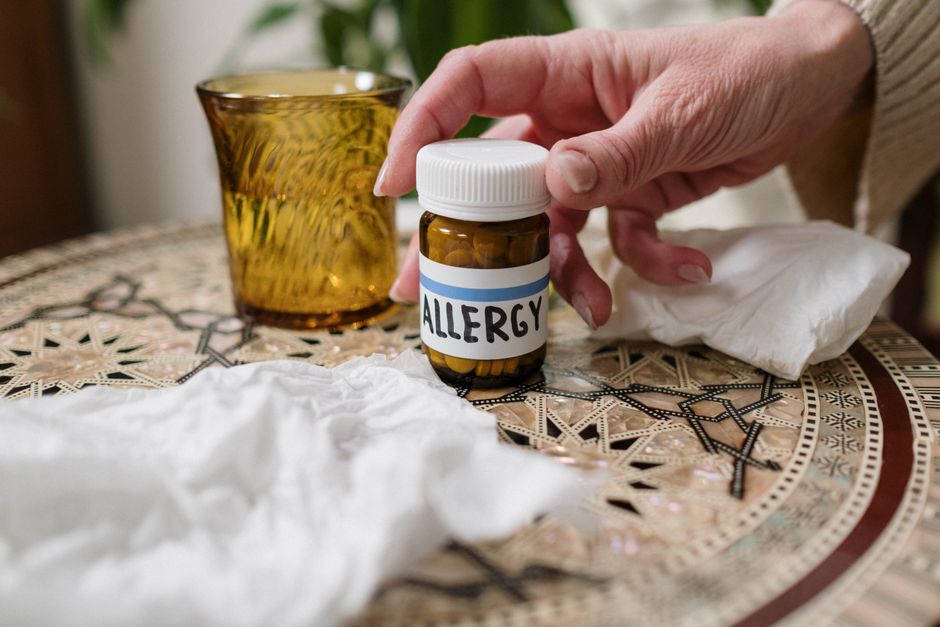
An allergy flare-up happens when your immune system mistakes a harmless substance for a threat and releases chemicals like histamine to fight it off. That reaction is what causes the sneezing, itching, swelling, and congestion you feel. The most common triggers are pollen, dust mites, mold spores, pet dander, certain foods, insect stings, and some medications. But the real root cause is your immune system’s specific sensitivity to one or more of those substances, not the substances themselves.
What Causes Allergy Flare Ups Common Triggers?
An allergy flare-up is not a sign your immune system is weak. It is a sign your immune system is overreacting to something it has learned to recognize as dangerous. That learning process is called sensitization, and it happens before you ever notice symptoms.
During sensitization, your immune system produces antibodies called immunoglobulin E, or IgE, that are specific to one substance. Those antibodies attach to specialized cells called mast cells, which are found in your skin, airways, and digestive tract. The next time you encounter that substance, it binds to the IgE on those mast cells and triggers them to release histamine and other chemical messengers. Histamine is responsible for most of the symptoms people associate with allergies: runny nose, watery eyes, sneezing, hives, and itching.
This is why you can be exposed to a substance for years with no problem and then suddenly develop an allergy to it. The sensitization happened quietly. The flare-up is the visible part.
Common triggers fall into a few broad categories:
- Airborne allergens — tree, grass, and weed pollen; dust mite waste; mold spores; pet dander and saliva
- Food allergens — milk, eggs, peanuts, tree nuts, wheat, soy, fish, and shellfish account for most food allergy reactions in the United States
- Insect allergens — venom from stings by bees, wasps, hornets, and fire ants
- Contact allergens — latex, nickel, fragrances, and certain preservatives in skin products
- Medications — penicillin-class antibiotics and others can trigger immune reactions in sensitive people
Some people react to only one trigger. Others react to several. The pattern depends on which substances your immune system has been sensitized to, and that varies from person to person.
Why Do Allergies Sometimes Get Worse Without Warning?
Allergy symptoms can intensify even when your triggers have not changed. Several factors explain this.
One is the allergen load. Your immune system can handle a certain amount of exposure before symptoms appear. When pollen counts spike, when dust gets stirred up during cleaning, or when you spend time in a moldy building, that load increases. You cross a threshold, and symptoms flare. The trigger did not change — the amount did.
Another factor is the priming effect. During allergy season, repeated exposure makes your airways and nasal passages more reactive over time. This means that later in the season, the same amount of pollen that caused mild symptoms earlier can cause much worse ones. The tissue becomes primed, or sensitized, to react more strongly.
Cross-reactivity also plays a role. Some proteins in pollen resemble proteins in certain foods. If you are allergic to birch pollen, for example, you may react to apples, cherries, or carrots because your immune system recognizes similar protein structures. This is called oral allergy syndrome, and it is a well-documented phenomenon.
Environmental conditions matter too. Rain can burst pollen grains and release smaller particles that travel deeper into the airways. Wind spreads pollen further. High humidity encourages mold growth. Cold air and dry air can irritate already-inflamed airways. None of these are allergens themselves, but they can make an existing allergy worse.
What Is the Difference Between Allergies and a Cold?
Allergies and colds share symptoms, but they have different causes and different patterns. A cold is caused by a virus. Allergies are caused by an immune response to a non-infectious substance.
The timing is often the clearest difference. Colds typically resolve within a week to ten days. Allergy symptoms last as long as you are exposed to the trigger — which can be weeks during pollen season or year-round if the trigger is something like dust mites or pet dander.
Itching is another distinguishing feature. Itchy eyes, nose, and throat are common with allergies and uncommon with colds. Fever does not occur with allergies. A cold may cause body aches and a sore throat that allergies usually do not.
That said, the two can overlap. Allergies can increase your susceptibility to sinus infections and can make cold symptoms feel worse. If symptoms persist beyond what you would expect from a cold, or if they follow a seasonal pattern, allergies are worth considering.




Can Allergies Develop Later in Life?
Yes. Allergies can appear at any age, including in adulthood. This surprises many people who assume allergies are a childhood condition.
Adult-onset allergies are well documented. Someone who tolerated cats for decades can develop a cat allergy in their 40s or 50s. Food allergies can also emerge in adulthood, though this is less common than in childhood. The reasons are not fully understood, but changes in immune function, hormonal shifts, and environmental exposures are all thought to play a role.
Some childhood allergies also resolve. Milk and egg allergies are more likely to be outgrown than peanut, tree nut, fish, and shellfish allergies, which tend to persist. The trajectory depends on the specific allergen and the individual.
It is also possible for allergy symptoms to change over time without the underlying allergy going away. Someone with mild seasonal allergies may develop asthma symptoms later, a progression sometimes called the allergic march. This is why persistent or worsening symptoms deserve a medical evaluation.
How Do You Identify What Is Triggering Your Allergies?
Identifying triggers starts with pattern recognition. Symptoms that appear at the same time each year point to seasonal pollen. Symptoms that occur indoors year-round suggest dust mites, mold, or pets. Symptoms that follow specific meals point to food.
A symptom diary can help. Tracking when and where symptoms occur, what you were doing, and what you were exposed to can reveal patterns that are not obvious day to day.
For a more definitive answer, allergy testing is available. Skin prick testing and blood tests for specific IgE antibodies are the two main methods. Both have limitations. They can produce false positives, meaning a test may show sensitivity to a substance you do not actually react to in daily life. This is why test results are interpreted alongside your symptom history, not in isolation.
Some clinicians also use elimination diets or environmental control trials to confirm suspected triggers. These approaches are practical but require patience and consistency to produce useful information.
What Makes Allergy Symptoms Worse?
Several factors can amplify allergy symptoms even when your exposure to the trigger has not changed.
- Poor air quality — smoke, pollution, and strong chemical odors irritate airways and lower the threshold for allergy symptoms
- Weather changes — sudden temperature drops, thunderstorms, and high winds can increase airborne allergen levels
- Stress — stress does not cause allergies, but it can affect immune function and make symptoms feel more intense
- Alcohol — some people report worse nasal congestion after drinking alcohol, possibly due to blood vessel dilation
- Lack of sleep — poor sleep can affect immune regulation and increase perceived symptom severity
None of these factors cause allergies on their own. They modulate how your body responds to allergens you are already sensitized to.
It is also worth noting that some people with allergies have non-allergic rhinitis, which produces similar symptoms without an immune reaction. Triggers for non-allergic rhinitis include strong smells, temperature changes, and certain medications. The distinction matters because the treatments differ.
When Should Allergy Symptoms Be Taken Seriously?
Most allergy symptoms are uncomfortable but not dangerous. However, some reactions can become serious or life-threatening.
Anaphylaxis is a severe allergic reaction that can involve difficulty breathing, swelling of the throat, a sudden drop in blood pressure, and loss of consciousness. It is a medical emergency. Food, insect stings, and medications are the most common causes. Anyone who has experienced anaphylaxis or is at risk should have an epinephrine auto-injector and a clear plan for when to use it.
Asthma and allergies often occur together. For people with both, allergy flares can trigger asthma attacks. If you have asthma and notice that your allergy symptoms are worsening your breathing, that warrants medical attention.
Chronic sinusitis, ear infections, and sleep disruption are other complications that can develop when allergies are not managed. These do not happen to everyone, but they are more common in people whose allergies are persistent and untreated.
If your symptoms interfere with daily life, sleep, or breathing, that is a signal to see a clinician. Allergy management has improved considerably, and there are more options than there used to be. But the right approach depends on your specific triggers and your medical history, which is why self-diagnosis and self-treatment have limits.
Frequently Asked Questions
What causes allergy flare ups common triggers?
Allergy flare-ups are caused by an immune system reaction to substances like pollen, dust mites, mold, pet dander, certain foods, insect stings, or medications. The immune system releases histamine and other chemicals that produce symptoms like sneezing, itching, and congestion.
Can allergies develop suddenly in adults?
Yes, allergies can appear at any age, including adulthood. Adult-onset allergies are well documented and are thought to involve changes in immune function, hormonal shifts, and environmental exposures.
How do I know if I have allergies or a cold?
Allergies typically cause itching of the eyes, nose, and throat, and they last as long as you are exposed to the trigger. Colds usually resolve within a week to ten days and may include fever or body aches, which allergies do not cause.
What makes allergy symptoms worse?
Poor air quality, weather changes, stress, alcohol, and lack of sleep can all make allergy symptoms feel worse. These factors do not cause allergies but can increase how strongly your body reacts to allergens you are already sensitive to.
