
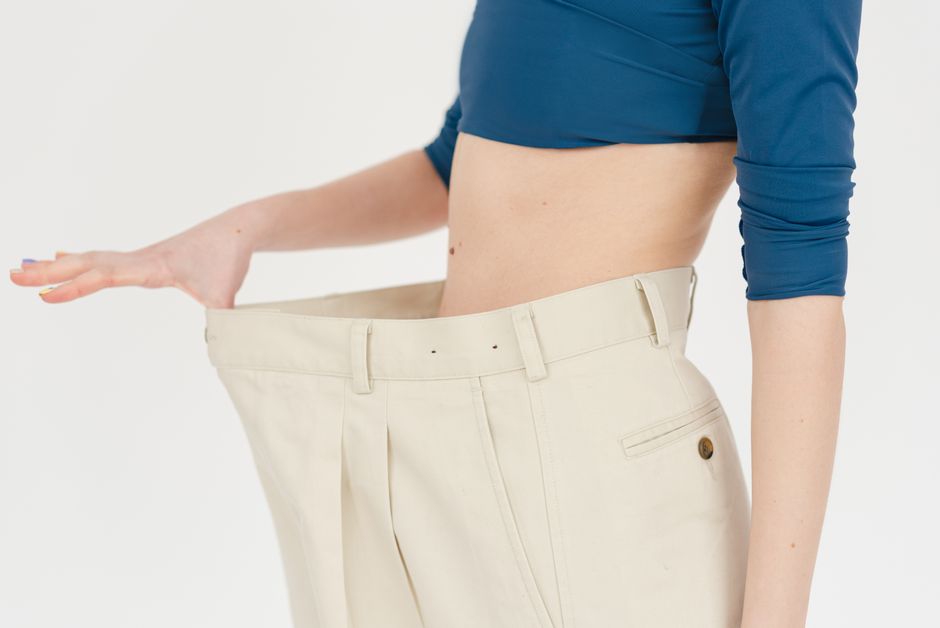
Belly fat is one of the most common concerns for women over 35. Reducing it requires a combination of eating habits, exercise, and lifestyle changes. There is no quick fix or magic supplement that targets belly fat specifically. The most effective approach is to lower overall body fat through consistent daily choices that support your metabolism and hormone health.
What Causes Belly Fat in Women After 35?
Hormonal changes play a major role. As women approach perimenopause and menopause, estrogen levels drop. This shift causes fat storage to move from hips and thighs to the abdomen. It is a biological change, not a personal failure.
Stress is another major driver. High cortisol levels signal your body to store visceral fat around the organs. This is the dangerous kind of belly fat that wraps around your liver and intestines. It is linked to heart disease and type 2 diabetes.
Sleep quality matters more than most people realize. Poor sleep disrupts hunger hormones ghrelin and leptin. You feel hungrier and less satisfied after meals. Studies have found that women who sleep less than six hours per night carry more belly fat regardless of diet.
Genetics also influence where you store fat. Some women naturally carry more weight in their midsection. You cannot change your genetics, but you can work with them through targeted lifestyle habits.
Does Diet or Exercise Matter More for Belly Fat?
Diet matters more. You cannot out-exercise a poor diet. Research consistently shows that calorie intake has a bigger impact on fat loss than exercise alone. This is not an excuse to skip exercise. It is a reason to prioritize what you eat.
Focus on protein at every meal. Protein increases satiety and supports muscle mass. Muscle burns more calories at rest than fat does. Women over 40 often lose muscle naturally, so preserving it through protein intake is essential. Aim for at least 25 to 30 grams of protein per meal.
Fiber is your second most important nutrient. Soluble fiber from oats, beans, apples, and flaxseeds helps reduce visceral fat. It slows digestion and keeps blood sugar stable. Stable blood sugar means fewer insulin spikes, and insulin is a hormone that promotes fat storage.
Cut back on added sugars and refined carbohydrates. These spike blood sugar and insulin quickly. Over time, this pattern encourages fat storage around the belly. You do not need to eliminate carbs entirely. Just replace white bread and sugary drinks with whole grains and water.
What Type of Exercise Works Best?
A combination of strength training and walking works best for most women. High intensity interval training can help, but it is not necessary for everyone.
Strength training builds muscle and improves insulin sensitivity. More muscle means a higher resting metabolism. This helps you burn more calories even when you are sitting still. Focus on compound movements like squats, deadlifts, push ups, and rows. These work multiple muscle groups at once and burn more energy.
Walking is underrated. A 30 to 45 minute walk most days lowers cortisol and improves mood. It does not stress the body the way intense running or HIIT can. For women with high cortisol levels, gentle movement may actually be more effective than hard workouts.
Current research suggests that spot reduction is not real. Doing hundreds of crunches will not burn belly fat. You need to reduce overall body fat through a calorie deficit and consistent exercise. The belly will slim down as total body fat decreases.





How Does Sleep and Stress Affect Belly Fat?
Sleep and stress are often overlooked, but they are critical. You cannot reduce belly fat if your hormones are working against you.
Cortisol is the main stress hormone. When it stays high for long periods, your body holds onto fat in the abdomen. This is a survival mechanism. Your body thinks it is under threat and stores energy for later. Chronic stress from work, family, or finances keeps cortisol elevated.
Sleep is when your body repairs and resets. Poor sleep increases cortisol and decreases growth hormone. Growth hormone helps you burn fat and build muscle. Without enough deep sleep, your fat burning potential drops significantly.
Practical steps include setting a consistent bedtime, reducing screen time an hour before sleep, and keeping your bedroom cool and dark. For stress, even five minutes of deep breathing or a short walk can lower cortisol in the moment. Long term, you need to address the sources of chronic stress in your life.
| Factor | Effect on Belly Fat | What to Do |
|---|---|---|
| Hormones | Lower estrogen shifts fat to abdomen | Strength training and protein help balance hormones |
| Stress | High cortisol stores visceral fat | Walking, deep breathing, sleep hygiene |
| Sleep | Poor sleep increases hunger and fat storage | 7 to 9 hours per night consistently |
| Diet | High sugar and refined carbs spike insulin | Prioritize protein and fiber, cut added sugar |
| Exercise | Strength training improves metabolism | Compound lifts plus daily walking |
What About Supplements and Quick Fixes?
There is no supplement that targets belly fat. This is widely claimed, but strong evidence is limited. Most supplements that claim to burn belly fat are not backed by solid research.
Green tea extract and caffeine may slightly boost metabolism. The effect is small and temporary. You will not see noticeable belly fat loss from drinking green tea alone. It can be part of a healthy routine, but it is not a solution.
Probiotics have some evidence for improving gut health. A healthy gut microbiome may help with weight management. But no specific probiotic strain has been proven to reduce belly fat in women. More research is needed.
As of 2026, there is no clinical evidence that any pill, powder, or patch can spot reduce belly fat. If a product promises fast results without diet or exercise changes, it is almost certainly overhyped. Save your money and invest it in better food or a gym membership instead.
What Practical Steps Should You Take Today?
Start with one change. Do not try to overhaul everything at once. Pick the area where you are weakest and focus on that for two weeks.
If your diet needs work, start by adding protein to breakfast. A high protein breakfast stabilizes blood sugar for the rest of the day. Eggs, Greek yogurt, or a protein shake are good options. Skip the sugary cereal and toast.
If you are not exercising, start walking. Walk for 20 minutes after dinner. This lowers blood sugar and helps digestion. It also reduces stress without adding cortisol. After a week, increase to 30 minutes.
If your sleep is poor, set a fixed wake time. Even if you go to bed late, wake up at the same time every day. This helps regulate your circadian rhythm. Within a few days, you will feel tired earlier and fall asleep faster naturally.
Track your progress with measurements, not just the scale. Belly fat loss often shows up as looser fitting clothes before the scale moves. Measure your waist circumference once a week. A reduction of one to two inches over a few months is realistic and healthy.
Frequently Asked Questions About reduce belly fat for female
Can walking alone reduce belly fat in women?
Walking alone can help reduce belly fat if combined with a calorie deficit. It lowers cortisol and improves insulin sensitivity, which supports fat loss.
How long does it take to see belly fat loss in women over 40?
Most women see noticeable changes in 4 to 8 weeks with consistent diet and exercise. Results depend on starting point, genetics, and adherence to habits.
Does intermittent fasting help reduce belly fat for females?
Some studies suggest intermittent fasting can help reduce overall body fat. It works by creating a calorie deficit, not by targeting belly fat specifically.
What foods should women avoid to lose belly fat?
Avoid sugary drinks, refined white bread, pastries, and processed snacks. These spike blood sugar and promote fat storage around the abdomen.
