
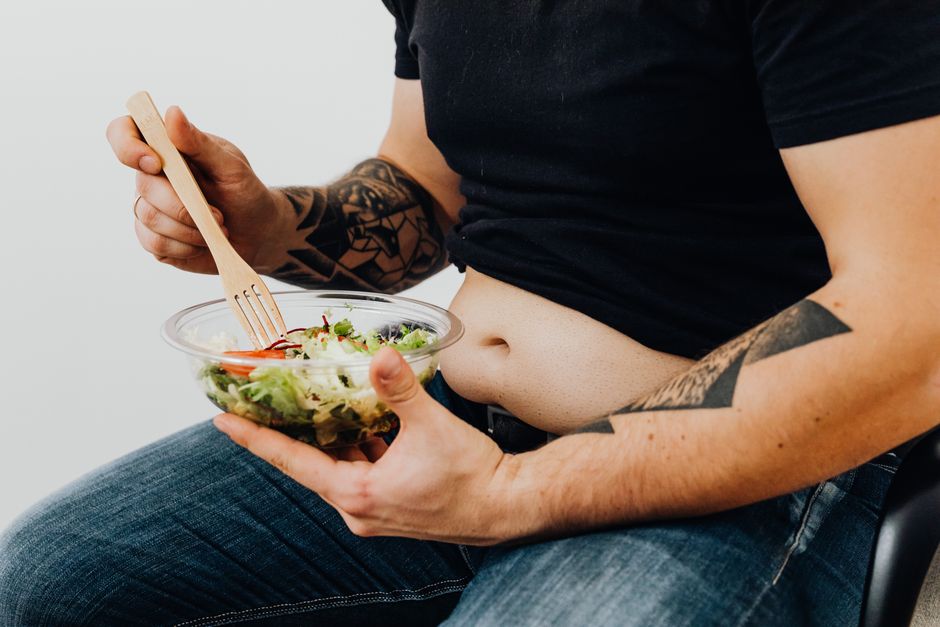
Subcutaneous belly fat is the soft fat you can pinch just under your skin. It sits directly beneath the skin and above your abdominal muscles. Unlike visceral fat, which wraps around your organs deeper inside, subcutaneous fat is the layer that gives your belly a soft, jiggly appearance. You can reduce it, but it takes consistent effort. The most effective approach combines a calorie-controlled diet, regular physical activity, and patience. Spot reduction, or losing fat only from your belly, is not supported by evidence. Fat loss happens across your whole body, and your genetics determine where you lose it first and last.
What Is Subcutaneous Belly Fat and Why Does It Matter?
Subcutaneous fat is normal and necessary. Your body stores about 90 percent of your total body fat in this layer. It insulates you, cushions your muscles, and stores energy. Having some subcutaneous fat is healthy.
The concern is having too much. Excess subcutaneous fat often comes along with excess visceral fat, which is the more dangerous type. Visceral fat sits deep in your abdominal cavity and surrounds your liver, stomach, and intestines. It is strongly linked to metabolic problems like insulin resistance, high blood pressure, and heart disease.
You cannot tell from looking at someone how much visceral fat they carry. A person with a large, soft belly may have mostly subcutaneous fat. A person with a firm, protruding belly may have more visceral fat. Both types respond to the same weight-loss strategies, but visceral fat typically responds faster to diet and exercise.
How to Reduce Subcutaneous Belly Fat: The Core Principles
Reducing subcutaneous belly fat comes down to one fundamental fact: you must burn more calories than you consume. There is no way around this. Your body will not release stored fat unless it needs energy that your food is not providing.
When you create a calorie deficit, your body breaks down fat cells for energy. The fat cells shrink. They do not disappear entirely, but they get smaller. This process happens throughout your body, not just in one spot. Some research suggests that abdominal fat responds slightly faster to a calorie deficit than fat in other areas, but the difference is modest.
Your genetics play a major role in where fat leaves first. Some people lose belly fat early in their weight-loss journey. Others lose it last. You cannot control this. You can only control your overall body fat percentage. As your total body fat drops, your subcutaneous belly fat will also drop.
What Does the Science Say About Diet and Belly Fat?
Diet is the most important factor in reducing subcutaneous belly fat. Exercise alone, without dietary changes, produces modest results. Studies consistently show that combining diet and exercise produces more fat loss than either alone.
Protein deserves special attention. Higher protein intake helps preserve muscle mass during weight loss. Muscle tissue burns more calories at rest than fat tissue. Preserving muscle keeps your metabolism higher while you lose fat. Some research suggests that higher protein diets also increase satiety, helping you eat fewer calories without feeling constantly hungry.
Fiber is another key player. Soluble fiber, found in oats, beans, apples, and carrots, forms a gel in your digestive tract. This slows digestion and helps you feel full longer. Some studies suggest that higher fiber intake is associated with less abdominal fat, although the exact mechanism is not fully understood.
Refined carbohydrates and added sugars work against you. Foods like white bread, pastries, sugary drinks, and candy spike your blood sugar and insulin. High insulin levels signal your body to store fat and stop burning it. Reducing these foods is one of the fastest ways to create a calorie deficit without feeling deprived.
There is no single “belly fat diet.” The evidence supports a balanced approach: adequate protein, plenty of fiber, whole foods, and a moderate calorie deficit. Fad diets that promise rapid belly fat loss are not supported by evidence. Any diet that creates a sustainable calorie deficit will work.





Which Exercises Actually Reduce Subcutaneous Belly Fat?
Exercise helps, but not the way many people think. Doing hundreds of crunches will strengthen your abdominal muscles, but it will not selectively burn the fat covering them. The fat layer sits on top of the muscle. Strengthening the muscle underneath does not remove the fat above it.
Cardiovascular exercise is more effective for burning calories and reducing total body fat. Moderate-intensity activities like brisk walking, cycling, swimming, and jogging all work. The key is consistency. Aim for at least 150 minutes of moderate-intensity aerobic activity per week, which is the general recommendation for health in US guidelines.
High-intensity interval training, or HIIT, has gained attention for fat loss. HIIT involves short bursts of intense effort followed by brief recovery periods. Some studies suggest HIIT may reduce abdominal fat slightly more than steady-state cardio for the same amount of time invested. The evidence is promising but not definitive. The best exercise is the one you will actually do consistently.
Resistance training matters too. Lifting weights or doing bodyweight exercises builds muscle. More muscle means a higher resting metabolism. Resistance training also improves insulin sensitivity, which helps your body use energy more efficiently. A combined program of cardio and resistance training is the most evidence-based approach.
Non-exercise activity thermogenesis, or NEAT, is often overlooked. NEAT includes all the movement you do outside of formal exercise: walking to your car, climbing stairs, cleaning, gardening, fidgeting. Increasing NEAT can add hundreds of calories to your daily expenditure without requiring dedicated workout time.
How Long Does It Take to See Results?
Results take time. A safe, sustainable rate of fat loss is about one to two pounds per week. This requires a calorie deficit of roughly 500 to 1,000 calories per day. You cannot spot-reduce, so your subcutaneous belly fat will shrink as your total body fat decreases.
Most people notice changes in clothing fit within four to eight weeks of consistent effort. Visible changes in the mirror often take longer, sometimes twelve weeks or more. This is normal. Your body does not lose fat evenly across all areas, and the belly is often one of the last places to show visible change.
Be honest with yourself about progress. The scale does not tell the whole story. If you are gaining muscle while losing fat, your weight may stay steady even as your waist measurement drops. Measuring your waist circumference once a week is a more accurate way to track abdominal fat loss than relying on the scale alone.
What About Sleep, Stress, and Hormones?
Sleep and stress affect belly fat more than most people realize. Poor sleep disrupts the hormones that regulate hunger and appetite. Ghrelin, which stimulates hunger, increases when you are sleep-deprived. Leptin, which signals fullness, decreases. This combination makes it harder to maintain a calorie deficit.
Chronic stress raises cortisol levels. Cortisol is a stress hormone that, when chronically elevated, is associated with increased abdominal fat storage. This is not a justification for abandoning your diet during stressful periods. It is a reason to prioritize sleep and stress management as part of your fat-loss strategy.
Aim for seven to nine hours of quality sleep per night. This is the general recommendation for adults. Manage stress through whatever works for you: walking, meditation, time with friends, or simply taking breaks during the day. These are not optional extras. They directly affect your ability to lose belly fat.
What Does Not Work for Reducing Subcutaneous Belly Fat?
Marketing claims about belly fat reduction are everywhere. Most are not supported by evidence. Fat-burning creams and lotions applied to the abdomen have not been shown to reduce subcutaneous fat in well-designed studies. They may temporarily tighten skin, but they do not remove fat cells.
Waist trainers and compression garments do not reduce fat. They temporarily compress your midsection, creating the illusion of a smaller waist. The effect disappears as soon as you remove them. They do not burn fat or change your body composition.
Detox teas and supplements that claim to target belly fat have no reliable evidence behind them. Many contain laxatives or diuretics that cause temporary water loss, not fat loss. No supplement has been proven to selectively reduce subcutaneous belly fat.
Abdominal exercise equipment sold on infomercials, such as electric ab belts or vibrating platforms, does not reduce belly fat. These devices may stimulate muscles, but they do not create the calorie deficit required for fat loss.
Frequently Asked Questions
Can you lose subcutaneous belly fat without losing weight overall?
No. Subcutaneous belly fat is stored energy, and your body only releases it when you are in a calorie deficit. You cannot reduce fat in one area while maintaining your total body weight.
How many calories should I cut to lose belly fat?
A deficit of about 500 calories per day leads to roughly one pound of fat loss per week. This is a safe, sustainable rate that preserves muscle while reducing body fat.
Is subcutaneous belly fat harder to lose than visceral fat?
Visceral fat typically responds faster to diet and exercise. Subcutaneous fat is often more stubborn, but it does decrease with consistent calorie control and physical activity.
Do ab exercises get rid of subcutaneous belly fat?
No. Ab exercises strengthen the muscle underneath, but they do not remove the fat layer on top. You need an overall calorie deficit to reduce subcutaneous fat anywhere on your body.
