
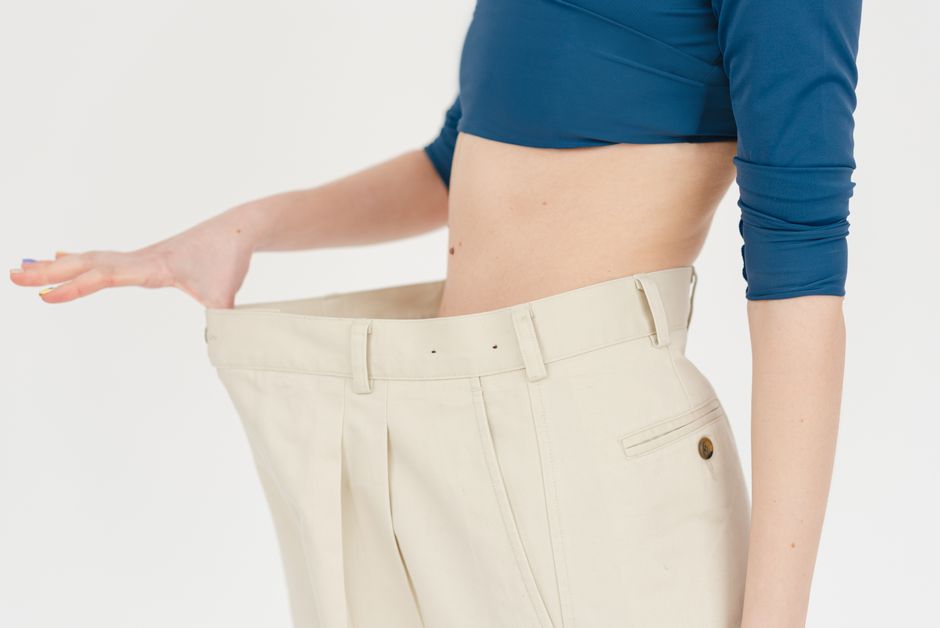
Belly fat is stubborn, but it is not a mystery. The honest answer is that no single food, pill, or exercise will target belly fat alone. Reducing it comes down to lowering your overall body fat through consistent habits: eating fewer calories than you burn, managing stress, sleeping enough, and moving your body in ways that build muscle and improve your metabolism. Spot reduction is a myth. But losing belly fat specifically is possible when you focus on the right combination of diet, exercise, and lifestyle changes.
What Causes Belly Fat to Build Up?
Belly fat is not all the same. There is subcutaneous fat, the pinchable kind under your skin. And there is visceral fat, which wraps around your internal organs. Visceral fat is the more dangerous type. It is linked to heart disease, type 2 diabetes, and inflammation.
Several things cause it to build up. The biggest driver is a calorie surplus over time. When you eat more energy than your body uses, the extra gets stored as fat. Where it goes is partly genetic. Some people store it in their hips. Others store it in their belly.
Hormones also play a role. Cortisol, the stress hormone, can increase belly fat storage. Insulin resistance, common in people with prediabetes or type 2 diabetes, also encourages fat storage around the middle. As of 2026, research continues to confirm that chronic stress and poor sleep are independent risk factors for higher visceral fat, even in people who eat well.
Does Diet or Exercise Matter More for Reducing Belly Fat?
Both matter, but diet has a slight edge for overall fat loss. You cannot out-exercise a poor diet. A 2011 study in the Journal of Strength and Conditioning Research found that diet alone was more effective for weight loss than exercise alone. But the best results came from combining both.
For belly fat specifically, exercise becomes more important. Diet helps you lose weight everywhere. Exercise, especially certain types, can help reduce visceral fat more efficiently. A 2014 study in Medicine & Science in Sports & Exercise found that people who did aerobic exercise lost more visceral fat than those who only dieted.
The takeaway is simple. Clean up your diet first. Then add exercise that targets fat loss and muscle preservation.
What Type of Exercise Actually Works for Belly Fat?
Walking is underrated. A 2014 study in the Journal of Exercise Nutrition & Biochemistry found that women who walked for 50 to 70 minutes three times per week reduced their visceral fat significantly over 12 weeks. Walking is low impact and easy to stick with.
High-intensity interval training (HIIT) also works well. A 2018 review in Sports Medicine looked at 39 studies and found that HIIT reduced visceral fat more than moderate-intensity continuous exercise. The reason is likely that HIIT burns more calories in less time and improves insulin sensitivity.
Strength training should not be ignored. Building muscle raises your resting metabolism. More muscle means you burn more calories even when sitting. A 2015 study in Obesity found that combining aerobic exercise with resistance training was more effective for reducing visceral fat than aerobic exercise alone.
Crunches and sit-ups will not reduce belly fat. They strengthen the muscles underneath, but they do not burn the fat on top. That is a common misconception. You cannot spot-reduce.
| Exercise Type | Best For | How Often |
|---|---|---|
| Walking | Consistency and overall fat loss | 30-60 minutes, 5 days per week |
| HIIT | Rapid visceral fat reduction | 20-30 minutes, 3 days per week |
| Strength Training | Building metabolism-boosting muscle | 2-3 days per week |





What Should You Eat to Reduce Belly Fat?
No single food burns belly fat. But some foods help by reducing overall calorie intake or improving hormones that control fat storage.
Protein is important. It keeps you full longer and helps preserve muscle during weight loss. A 2015 study in the American Journal of Clinical Nutrition found that people who ate more protein had less belly fat over five years. Good sources include eggs, chicken, fish, beans, and Greek yogurt.
Fiber, especially soluble fiber, helps. Soluble fiber forms a gel in your gut that slows digestion and reduces hunger. A 2012 study in Obesity found that for every 10-gram increase in soluble fiber per day, participants lost 3.7% of their visceral fat over five years. Oats, apples, carrots, and beans are good sources.
Cut back on added sugar and refined carbs. Sugary drinks are the worst. A 2009 study in the Journal of Clinical Investigation found that fructose, a common sugar in soda, increases visceral fat storage more than other sugars. Replacing soda with water or unsweetened tea is one of the easiest changes you can make.
- Eat protein at every meal to control hunger.
- Add soluble fiber from oats, apples, and beans.
- Cut sugary drinks completely.
- Limit processed foods and refined grains like white bread.
- Eat vegetables with every meal to add volume without many calories.
How Do Sleep and Stress Affect Belly Fat?
Sleep and stress matter more than most people realize. A 2010 study in the American Journal of Epidemiology followed 68,000 women for 16 years. Those who slept five hours or less per night were 32% more likely to gain 11 pounds or more than those who slept seven hours. The weight gain was mostly around the belly.
Poor sleep disrupts hunger hormones. Ghrelin, which makes you hungry, goes up. Leptin, which tells you to stop eating, goes down. You end up eating more without realizing it.
Chronic stress raises cortisol. High cortisol levels are linked to more visceral fat. A 2015 study in Obesity Reviews looked at 27 studies and found that people with higher cortisol levels had more belly fat. Managing stress is not optional. It is part of the equation.
Simple stress management strategies include walking, deep breathing, or spending time outdoors. Aim for seven to nine hours of sleep per night. If you struggle with sleep, try going to bed at the same time every night and avoiding screens an hour before bed.
What About Supplements and Belly Fat?
The supplement industry makes big promises about belly fat. Most of them do not deliver. As of 2026, there is no clinical evidence that any supplement targets belly fat specifically.
Green tea extract is one of the most studied. Some research suggests it may slightly increase fat burning, but the effect is small. A 2012 review in the International Journal of Obesity found that green tea catechins led to about 0.2 pounds of extra weight loss per week. That is not nothing, but it is not a solution.
Probiotics are sometimes claimed to help. A 2016 study in the British Journal of Nutrition found that certain probiotic strains reduced belly fat in people with obesity. But the studies are small and the results are inconsistent. It is not worth relying on them.
What is widely claimed is that detox teas and fat burners can reduce belly fat fast. Strong evidence is limited. Many of these products contain caffeine or laxatives. They cause water loss, not fat loss. The weight comes back quickly.
Save your money. Focus on diet, exercise, sleep, and stress.
Frequently Asked Questions About reduce belly fat
Can you target belly fat with specific exercises?
No. Spot reduction is a myth. Doing crunches strengthens abdominal muscles but does not burn fat specifically from your belly.
How long does it take to reduce belly fat?
It varies by person. With consistent diet and exercise, most people see noticeable changes in 4 to 8 weeks.
Does drinking water help reduce belly fat?
Water itself does not burn fat. But replacing sugary drinks with water reduces calorie intake, which helps overall fat loss.
Are there any foods that burn belly fat?
No food burns fat directly. Foods high in protein and soluble fiber help by reducing hunger and supporting weight loss.
