
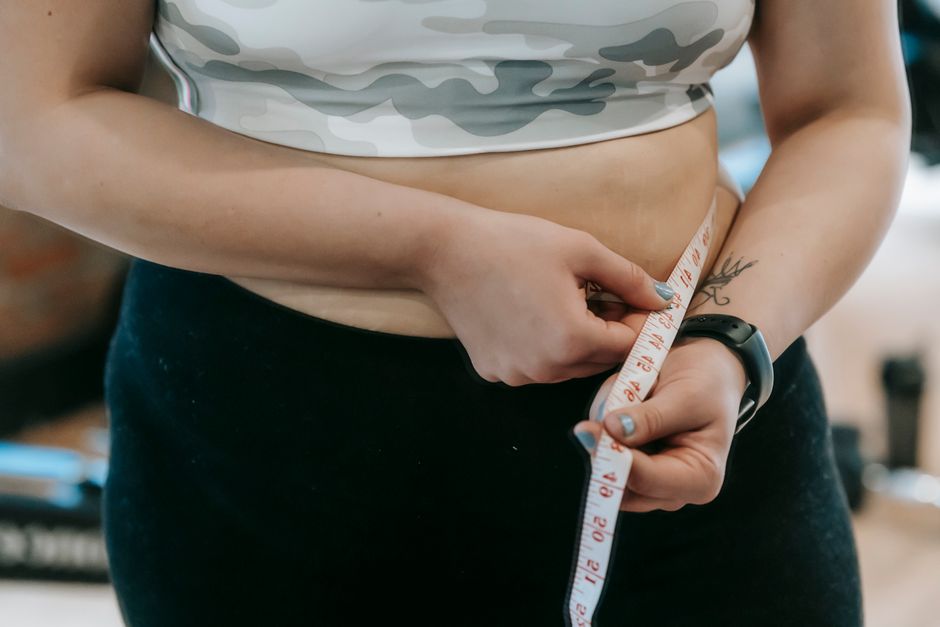
Reducing tummy belly fat requires a combination of calorie deficit, strength training, and managing stress-related cortisol levels. Research shows that while you cannot spot-reduce fat from your midsection alone, consistent whole-body fat loss through nutrition and exercise will eventually shrink belly fat. The most effective approach targets both subcutaneous fat under the skin and visceral fat around your organs, which carries the greater health risk.
What Causes Belly Fat to Accumulate?
Belly fat builds up when you consume more calories than you burn over time. Your body stores excess energy as fat, and your midsection happens to be one of the primary storage sites. Genetics determine where your body prefers to store fat first, which explains why some people gain weight in their stomach while others gain it in their hips or thighs.
Visceral fat accumulation specifically links to insulin resistance and chronic inflammation. When your cells become less responsive to insulin, your body produces more of it, which signals fat storage particularly around your abdomen. Cortisol, the stress hormone, also plays a direct role. Elevated cortisol levels prompt your body to store more fat in the belly area as a survival mechanism.
Age affects belly fat distribution too. After 30, most people lose muscle mass gradually each year unless they actively work to maintain it. Less muscle means a slower metabolism, making it easier to accumulate fat. Women experience additional shifts during menopause when dropping estrogen levels redirect fat storage toward the midsection.
Does Calorie Restriction Actually Reduce Belly Fat?
Eating fewer calories than your body burns is the only proven method to lose body fat from anywhere, including your belly. Studies consistently show that sustained calorie deficits lead to fat loss. Most research suggests a deficit of 500-750 calories per day produces steady fat loss without triggering metabolic slowdown.
Your body does not remove fat from specific areas based on which exercises you do or foods you eat. When you create a calorie deficit, your body pulls stored energy from fat cells throughout your entire body. Belly fat often appears to be stubborn because it may be the last place you lose fat based on your genetic pattern.
The composition of those calories matters for hunger and adherence. Protein intake of roughly 0.7-1 gram per pound of body weight helps preserve muscle mass during fat loss. Fiber from vegetables, fruits, and whole grains keeps you fuller longer on fewer calories. As of 2026, no specific macronutrient ratio has been proven superior for belly fat loss when total calories are equal.
What Types of Exercise Target Belly Fat Most Effectively?
Resistance training builds and maintains muscle tissue, which directly impacts how many calories your body burns at rest. Studies have found that people who combine strength training with calorie restriction lose more fat and less muscle compared to those who only restrict calories. More muscle mass means a higher metabolic rate even when you are sitting still.
Cardiovascular exercise burns calories during the activity itself. Higher intensity cardio like interval training or running burns more calories per minute than walking, but the best exercise is the one you will actually do consistently. A 2019 study showed that participants who did 30 minutes of moderate cardio five days per week lost measurable amounts of visceral fat even without changing their diet.
Core exercises like planks and crunches strengthen abdominal muscles but do not burn the fat covering them. You cannot crunch your way to visible abs if a layer of fat sits on top of the muscle. These exercises matter for core strength and posture, just not for removing belly fat specifically.
Walking deserves mention because of its accessibility. Regular walking at a brisk pace burns calories without requiring equipment or high fitness levels. A 175-pound person burns roughly 100 calories per mile walked. The cardiovascular benefits extend beyond calorie burn to improved insulin sensitivity.





How Do Hormones Like Cortisol Affect Belly Fat?
Chronic stress keeps cortisol levels elevated for extended periods, which research links directly to increased visceral fat storage. Cortisol triggers cravings for high-calorie comfort foods and simultaneously signals your body to store fat in the abdominal region. This made evolutionary sense when stress meant food scarcity, but today’s chronic psychological stress produces the same hormonal response without the physical energy expenditure.
Sleep deprivation disrupts both cortisol and hunger hormones. Studies show that people who sleep fewer than six hours per night have higher levels of ghrelin, which increases appetite, and lower levels of leptin, which signals fullness. One week of poor sleep can reduce insulin sensitivity by up to 30 percent in otherwise healthy adults.
Thyroid hormones regulate your metabolic rate. An underactive thyroid slows metabolism and makes fat loss more difficult. If you experience unexplained weight gain, persistent fatigue, and difficulty losing weight despite reasonable efforts, checking thyroid function makes sense.
What Foods Help Reduce Belly Fat?
No single food burns belly fat, but certain foods make maintaining a calorie deficit easier. High-protein foods like chicken, fish, eggs, and legumes require more energy to digest than fats or carbohydrates. This thermic effect means your body burns additional calories processing protein.
Vegetables provide volume and fiber with minimal calories. You can eat large portions of leafy greens, broccoli, cauliflower, and peppers while staying in a calorie deficit. Fiber slows digestion and keeps blood sugar stable, preventing the energy crashes that lead to overeating.
Foods to genuinely limit include those that pack many calories into small servings without satisfying hunger. Processed snacks, sugary drinks, and alcohol all fit this category. A single can of regular soda contains 150 calories with zero protein or fiber. Those calories add up quickly without helping you feel full.
| Food Type | Why It Helps | Example |
|---|---|---|
| High Protein | Preserves muscle, increases satiety | Chicken breast, Greek yogurt, lentils |
| High Fiber | Slows digestion, stabilizes blood sugar | Broccoli, berries, oats |
| Whole Foods | More nutrients per calorie | Potatoes, brown rice, apples |
| Water-Rich Foods | High volume, low calories | Cucumbers, watermelon, soups |
What About Supplements and Fat Burners?
Most supplements marketed for belly fat loss have limited or no clinical evidence supporting their claims. The supplement industry is poorly regulated, and products often contain ineffective ingredients at doses too low to produce meaningful effects. Some contain stimulants that may increase heart rate and blood pressure without significantly impacting fat loss.
Green tea extract and caffeine show modest effects in some studies, primarily by slightly increasing metabolic rate and fat oxidation during exercise. The effect is small—typically an extra 50-100 calories burned per day. You would achieve the same result from a 15-minute walk.
Fiber supplements like psyllium husk can help you feel fuller and may improve digestive health, but they do not directly burn fat. Protein powder is useful if you struggle to meet protein targets through whole foods, though it offers no special fat-burning properties beyond protein from chicken or beans.
How Long Does It Take to See Results?
Most people notice initial changes within 2-4 weeks of consistent effort, though belly fat specifically may take longer to visibly reduce. A safe and sustainable rate of fat loss is 0.5-1 percent of body weight per week. For a 180-pound person, that means roughly 1-2 pounds per week.
Expect the scale to fluctuate daily due to water retention, digestion, and hormonal cycles. Weighing yourself weekly under the same conditions provides more useful data than daily weights. Progress photos and how your clothes fit often reveal changes before the scale moves significantly.
Belly fat sometimes appears more stubborn than fat elsewhere because of two reasons. First, visceral fat around organs is metabolically different from subcutaneous fat under the skin. Second, your genetic fat loss pattern determines the order in which fat disappears from different body areas. Some people lose belly fat early in their journey while others see it decrease last.
Realistic expectations matter for adherence. If you have 30 pounds to lose, that represents roughly 15-30 weeks of consistent effort at a healthy pace. Faster is not better when it comes to keeping the weight off long-term.
What Are Common Mistakes That Prevent Belly Fat Loss?
Underestimating calorie intake ranks as the most common issue. Studies show that people typically underreport food consumption by 20-50 percent when tracking without measuring. A tablespoon of peanut butter contains about 100 calories, but eyeballing portions often results in using two or three tablespoons without realizing it.
Doing only cardio while ignoring strength training leads to muscle loss alongside fat loss. Your metabolic rate drops as you lose muscle, making it progressively harder to continue losing fat. Incorporating resistance training 2-3 times per week preserves muscle tissue during a calorie deficit.
Other mistakes that slow progress include:
- Drinking calories through juices, smoothies, or specialty coffee drinks that contain 300-500 calories each
- Overcompensating after exercise by eating more than the calories burned during the workout
- Following overly restrictive diets that cannot be maintained long-term, leading to cycles of loss and regain
- Neglecting sleep and stress management, which disrupts hunger hormones and increases cortisol
- Expecting linear progress without accounting for normal fluctuations and plateaus
Short-term extreme approaches rarely work for permanent fat loss. The people who successfully reduce belly fat and keep it off make moderate sustainable changes they can maintain for years, not weeks.
Frequently Asked Questions About How to Reduce Tummy Belly Fat
Can I lose belly fat without exercise?
Yes, you can lose belly fat through calorie restriction alone since fat loss fundamentally requires a calorie deficit. Exercise makes the process easier by burning additional calories and preserving muscle mass, but it is not strictly required for fat loss.
Why am I losing weight but not belly fat?
You are likely losing fat from other areas first based on your genetic fat distribution pattern. Belly fat, especially visceral fat, often decreases later in the fat loss process, so continued calorie deficit will eventually reduce it.
Do planks or sit-ups reduce belly fat?
No, core exercises strengthen abdominal muscles but do not burn the fat covering them. You cannot spot-reduce fat through targeted exercises, though these movements improve core strength and stability.
How much water should I drink to lose belly fat?
Water does not directly burn belly fat, but adequate hydration supports overall health and may reduce calorie intake if you drink water instead of caloric beverages. Most people need 8-10 cups daily, more if exercising heavily.
