
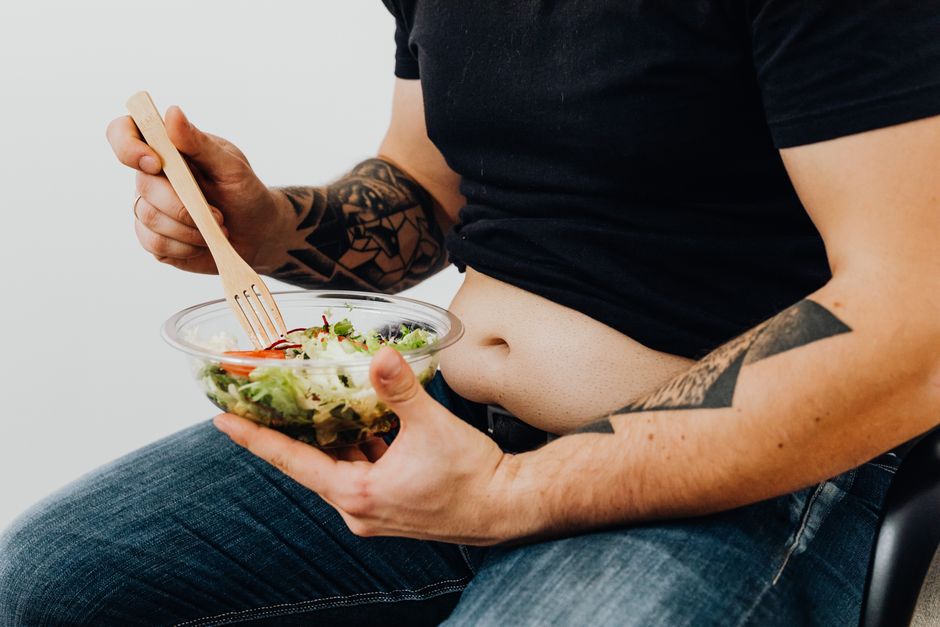
Visceral belly fat is the fat stored deep inside your abdomen, wrapped around your organs. It is not the same as the pinchable fat under your skin. Getting rid of it requires a few specific lifestyle changes that target how your body stores and burns this dangerous fat. The most effective steps are reducing added sugars, getting enough sleep, managing stress, and doing a mix of aerobic exercise and strength training. There are no shortcuts or magic pills, but consistent effort in these areas can shrink visceral fat over time.
What Exactly Is Visceral Belly Fat and Why Does It Matter?
Visceral fat is different from subcutaneous fat, which sits just under your skin. Visceral fat sits deep inside your abdominal cavity. It surrounds your liver, pancreas, and intestines. This type of fat is not just passive storage. It acts like an active organ, releasing inflammatory chemicals that can disrupt normal body functions.
Research shows that high levels of visceral fat are linked to serious health problems. These include type 2 diabetes, heart disease, high blood pressure, and certain cancers. It can also interfere with how your body uses insulin. That is why reducing visceral fat is about more than how you look in clothes. It is a direct step toward better long-term health.
As of 2026, current research continues to confirm that waist circumference is a reliable proxy for visceral fat. For women, a waist measurement over 35 inches is a concern. For men, it is over 40 inches. If your waist measurement falls above these numbers, you likely have excess visceral fat that needs attention.
Does Reducing Calories Get Rid of Visceral Belly Fat?
Yes, but not all calorie cuts are equal. Simply eating less food can help you lose weight overall, but visceral fat responds better to specific dietary changes. Cutting calories from added sugars and refined carbohydrates is more effective than just eating smaller portions of everything.
Studies have found that a diet high in fructose, often from sugary drinks and processed foods, is strongly linked to increased visceral fat storage. Your liver converts excess fructose directly into fat, and much of it ends up in your abdomen. Reducing or eliminating sugary sodas, fruit juices with added sugar, and sweetened snacks can make a noticeable difference.
A practical approach is to focus on whole foods. Lean proteins, vegetables, whole grains, and healthy fats like those from olive oil and nuts help keep you full while reducing the types of calories that drive visceral fat storage. You do not need to starve yourself. You just need to shift what you eat.
What Type of Exercise Works Best for Visceral Fat?
Aerobic exercise has the strongest evidence for reducing visceral fat. Brisk walking, jogging, cycling, or swimming for at least 150 minutes per week is effective. One study found that people who did aerobic exercise lost significantly more visceral fat than those who only did strength training.
However, strength training should not be ignored. Building muscle increases your resting metabolism. This helps you burn more calories throughout the day, including from fat stores. Combining both types of exercise appears to be the most effective strategy.
High-intensity interval training (HIIT) also shows promise. Short bursts of intense effort followed by rest periods can burn calories quickly and may target visceral fat specifically. But you do not need to do HIIT every day. Moderate aerobic exercise is just as effective over time and is easier to stick with long-term.
| Exercise Type | How It Helps Visceral Fat | Recommended Frequency |
|---|---|---|
| Aerobic (walking, jogging, cycling) | Directly burns visceral fat during and after exercise | 30-60 minutes, 5 days per week |
| Strength training (weights, resistance bands) | Builds muscle, increases resting calorie burn | 2-3 days per week |
| High-Intensity Interval Training (HIIT) | Quick calorie burn, may target visceral fat | 1-2 days per week, if tolerated |
Consistency matters more than intensity. Find an activity you can do regularly. Even a 30-minute walk most days is better than a perfect workout you cannot maintain.





How Do Sleep and Stress Affect Visceral Belly Fat?
Sleep and stress are often overlooked, but they have a direct impact on visceral fat storage. Poor sleep disrupts hormones that regulate hunger and fullness. When you are sleep-deprived, your body produces more ghrelin, which makes you feel hungry, and less leptin, which tells you that you are full. This combination leads to overeating, often of high-calorie foods.
Chronic stress raises cortisol levels. Cortisol is a hormone that, when elevated for long periods, encourages your body to store fat in the abdominal area. Some studies suggest that people with high stress levels have more visceral fat regardless of their overall body weight.
Getting seven to nine hours of quality sleep each night is a practical step. Managing stress through activities like walking, meditation, or simply taking time for hobbies can lower cortisol. These changes do not burn fat directly, but they create the right hormonal environment for your other efforts to work.
Are There Foods That Specifically Target Visceral Fat?
No single food can spot-reduce fat from your belly. That is a myth. However, certain foods can support the overall process of reducing visceral fat when part of a balanced diet.
- Soluble fiber found in oats, apples, carrots, and beans can help reduce visceral fat. It slows digestion and helps you feel full longer. One study found that for every 10 grams of soluble fiber eaten daily, visceral fat decreased by 3.7% over five years.
- Protein-rich foods like eggs, chicken, fish, and legumes boost metabolism and reduce cravings. Protein also helps preserve muscle mass while you lose fat.
- Unsaturated fats from avocados, nuts, seeds, and olive oil are better than saturated fats. They do not directly burn belly fat, but they replace less healthy fats and support overall metabolic health.
- Fermented foods like yogurt, kefir, and sauerkraut may help by improving gut bacteria. Some evidence suggests that a healthy gut microbiome is linked to lower visceral fat levels.
The key is not to add these foods to a poor diet. It is to replace processed foods, sugary snacks, and refined grains with these healthier options. That substitution is what drives results.
What Common Mistakes Prevent People from Losing Visceral Fat?
One major mistake is relying on crunches or sit-ups to burn belly fat. Spot reduction does not work. Doing hundreds of ab exercises will strengthen your muscles, but it will not remove the fat covering them. You must lose fat from your entire body, and visceral fat will decrease as overall body fat decreases.
Another mistake is following extreme diets that are not sustainable. Very low-calorie diets or fasting for long periods can cause muscle loss and slow your metabolism. When you return to normal eating, you often regain the weight, sometimes with more fat than before.
A third mistake is ignoring alcohol intake. Alcohol, especially beer and sugary cocktails, adds empty calories and can increase visceral fat storage. Some research suggests that heavy drinking is directly linked to higher levels of visceral fat. Reducing alcohol consumption to moderate levels, or cutting it out entirely, can help.
Finally, many people give up too soon. Visceral fat loss takes time. Visible changes may not appear for several weeks or months. Consistency with diet, exercise, sleep, and stress management is what ultimately works.
Frequently Asked Questions About get rid of visceral belly fat
Can you lose visceral fat without exercise?
Yes, but it is much slower. Diet changes alone can reduce visceral fat, but adding exercise speeds up the process and improves overall health.
How long does it take to see results?
Most people see measurable changes in waist circumference within 6 to 12 weeks of consistent diet and exercise changes.
Does drinking water help reduce visceral fat?
Water itself does not burn fat, but replacing sugary drinks with water reduces calorie intake and supports metabolism.
Are there supplements that work for visceral fat?
Some studies suggest that green tea extract or probiotics may have small effects, but no supplement replaces diet and exercise for meaningful fat loss.
