
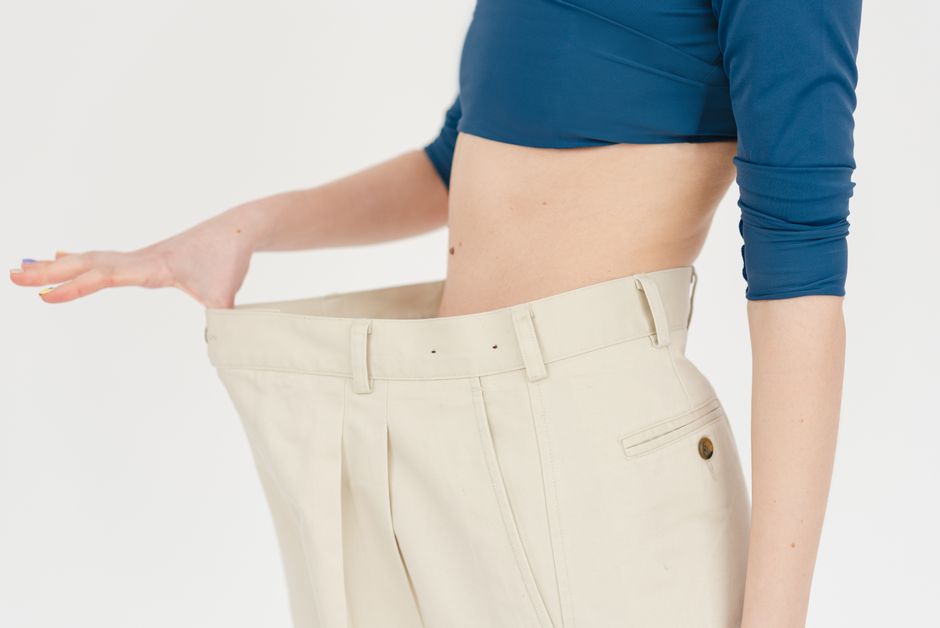
Reducing belly fat for ladies comes down to a few things that actually work: eating fewer processed foods, moving more in ways that build muscle, and managing stress and sleep. Spot reduction is not real. You cannot target belly fat alone. But you can lower overall body fat, and belly fat will shrink with it. The key is consistency with habits that are backed by real evidence, not quick fixes or detox teas.
What Causes Belly Fat in Women?
Belly fat is not just about calories. Hormones play a big role, especially for women. As women age, estrogen levels drop. This shift changes where the body stores fat. Fat moves from the hips and thighs to the belly area. This is normal, but it can be frustrating.
Cortisol, the stress hormone, also matters. When you are stressed for long periods, your body releases more cortisol. High cortisol levels tell your body to hold onto belly fat. Research shows that women with higher stress levels tend to have more abdominal fat, even if their weight is normal.
Genetics also play a part. Some women are simply more likely to store fat in their midsection. You cannot change your genes, but you can work with them. The habits that help reduce belly fat work for everyone, regardless of genetics. The difference is how fast or slow the results come.
Sleep is another factor that is often overlooked. Poor sleep disrupts hormones that control hunger. You feel hungrier and crave high-calorie foods. Studies have found that women who sleep less than five hours a night are more likely to gain belly fat. Getting seven to eight hours of quality sleep is a real step you can take.
Does Diet Really Help Reduce Belly Fat for Ladies?
Yes, diet is the most important piece. No amount of exercise can outrun a poor diet when it comes to belly fat. But you do not need a fancy diet plan. You need to focus on what you eat most of the time.
Protein is your friend. It keeps you full and helps maintain muscle mass. As women age, muscle loss speeds up. Less muscle means a slower metabolism. Eating enough protein, about 20 to 30 grams per meal, can help. Good sources include eggs, chicken, fish, beans, and Greek yogurt.
Fiber is also key. Soluble fiber, in particular, helps reduce belly fat. It forms a gel in your gut that slows digestion and makes you feel full. Foods like oats, apples, carrots, and beans are rich in soluble fiber. A study from 2024 found that women who ate more soluble fiber had significantly less belly fat over time.
Cut back on added sugar and refined carbs. White bread, pasta, sugary drinks, and pastries spike your blood sugar. Your body stores that extra sugar as fat, often around the belly. Soda is one of the worst offenders. A single can has about 40 grams of sugar. Replacing soda with water or unsweetened tea is a simple change that adds up.
Fats are not the enemy. Healthy fats from avocados, nuts, seeds, and olive oil actually help. They support hormone function and keep you satisfied. The problem is eating too many calories from any source, including healthy fats. Portion control still matters.
What Exercise Actually Works for Belly Fat?
Crunches and sit-ups will not reduce belly fat. That is a hard truth. Ab exercises strengthen the muscles underneath, but they do not burn the fat on top. You need full-body movement that burns calories and builds lean muscle.
Walking is underrated. A brisk 30-minute walk five days a week can make a real difference. It lowers cortisol, improves insulin sensitivity, and burns calories. It is low impact, so most women can do it consistently. Consistency matters more than intensity for long-term fat loss.
Strength training is essential. Building muscle raises your resting metabolism. That means you burn more calories even when you are sitting still. Focus on compound exercises like squats, deadlifts, push-ups, and rows. These work multiple muscle groups at once. Aim for two to three strength sessions per week.
High-intensity interval training, or HIIT, can also help. Short bursts of intense effort followed by rest periods burn a lot of calories in less time. Some studies suggest HIIT is particularly effective at reducing visceral fat, the deep belly fat around your organs. But HIIT is hard on the body. Start slow, especially if you are new to exercise.
The best exercise is the one you will actually do. If you hate running, do not run. Find a dance class, swim, or cycle. The goal is to move your body consistently and increase your overall activity level. None of this works if you quit after two weeks.





How Do Stress and Sleep Affect Belly Fat?
Stress and sleep are connected to belly fat more than most people realize. When you are stressed, your body pumps out cortisol. Cortisol tells your body to store fat in the belly area. This is an ancient survival response that backfires in modern life.
Chronic stress also makes you reach for comfort foods. These are usually high in sugar and fat. The combination of high cortisol and poor food choices is a fast track to belly gain. Managing stress is not optional. It is part of the plan.
Simple stress management techniques work. A 10-minute walk outside, deep breathing, or a short meditation can lower cortisol in minutes. You do not need an hour of yoga. Just a few minutes of intentional calm each day helps.
Sleep is equally important. Poor sleep messes with two key hunger hormones: ghrelin and leptin. Ghrelin goes up, making you hungrier. Leptin goes down, so you do not feel full. You end up eating more, especially carbs and sugar. A 2022 study found that women who slept less than six hours a night ate an average of 385 more calories the next day.
Aim for seven to eight hours of sleep per night. Keep a consistent schedule, even on weekends. Avoid screens for an hour before bed. Blue light from phones and tablets disrupts melatonin, the hormone that helps you sleep. Small changes in sleep habits can lead to real changes in belly fat over time.
What About Belly Fat After Menopause?
Belly fat after menopause is very common, and it is not your fault. Estrogen levels drop, and fat distribution changes. The body starts storing more fat in the abdomen and less in the hips and thighs. This shift happens regardless of diet and exercise, but you can still manage it.
Current research suggests that strength training becomes even more important after menopause. Muscle mass declines faster without estrogen. Strength training slows that loss. More muscle means a higher metabolism, which helps keep overall body fat lower.
Intermittent fasting has gained attention for belly fat in menopausal women. Some studies suggest it can help, but the evidence is mixed. It works for some women and not others. It may also cause sleep problems or mood changes in some women. If you try it, start with a 12-hour eating window and see how you feel. There is no magic window that works for everyone.
Hormone replacement therapy is a medical option. It can help with belly fat and other menopause symptoms. But it has risks and is not right for everyone. Talk to your doctor about whether it is a good fit for you. Do not start any hormone treatment without medical guidance.
The basics still apply after menopause. Eat protein, eat fiber, move your body, and manage stress. The results may come slower than they did in your 20s, but they will come. Patience is not a weakness. It is part of the process.
What Common Mistakes Keep Women from Seeing Results?
One big mistake is doing too much too fast. Extreme diets and intense workouts are hard to sustain. You might lose weight quickly, but you will likely gain it back. Slow and steady is more effective for long-term belly fat reduction.
Another mistake is focusing only on the scale. The number on the scale does not tell you how much fat you have lost versus muscle. Muscle weighs more than fat. You could lose inches from your waist and see no change on the scale. Use a tape measure or how your clothes fit instead.
Relying on supplements is another trap. Belly fat pills, detox teas, and fat burners are not backed by strong evidence. Most contain caffeine or other stimulants that give a temporary boost but do not reduce belly fat. Some can even be harmful. Save your money.
Not eating enough is a common mistake too. Severely restricting calories backfires. Your body thinks it is starving and holds onto fat. Your metabolism slows down. You lose muscle instead of fat. Eating enough to fuel your body is essential. A moderate calorie deficit of 300 to 500 calories per day is plenty.
| Strategy | Evidence Level | Key Consideration |
|---|---|---|
| Calorie deficit from whole foods | Strong | Most effective long-term approach |
| Strength training | Strong | Builds muscle, boosts metabolism |
| Walking | Moderate | Low effort, high consistency potential |
| HIIT | Moderate | Effective but hard to maintain |
| Intermittent fasting | Mixed | Works for some, not for others |
| Belly fat supplements | Weak | No strong evidence, potential side effects |
| Spot reduction exercises | None | Does not work, waste of time |
How Long Does It Take to See Changes?
There is no single answer. It depends on your starting point, your habits, and your consistency. Most women start seeing changes in how their clothes fit within four to eight weeks. Visible changes on the scale or in photos often take longer.
A safe and sustainable rate of fat loss is one to two pounds per week. Some of that will come from the belly, but not all of it. Your body loses fat from all over, not just one spot. You cannot control where it comes from first.
Be patient with the process. Belly fat is often the last place to shrink. That is frustrating, but it is normal. Do not judge your progress by what you see in the mirror each day. Look at trends over weeks and months. If your habits are consistent, the results will follow.
As of 2026, the research is clear on one thing: there is no shortcut. Quick fixes do not work. The women who see lasting results are the ones who build habits they can live with. Not perfect habits, just good enough habits done most of the time.
Frequently Asked Questions About reduce belly fat for ladies
Can you target belly fat with specific exercises?
No. Spot reduction is a myth. Doing crunches strengthens your abs but does not burn the fat on top. You need full-body fat loss to see your abs.
Does walking help reduce belly fat in women?
Yes. Walking lowers cortisol and burns calories. A consistent walking routine of 30 minutes most days can help reduce belly fat over time.
Are there foods that specifically burn belly fat?
No single food burns belly fat. A diet rich in protein, fiber, and healthy fats supports overall fat loss, which includes the belly area.
How long does it take to lose belly fat for women over 50?
It varies. Most women see changes in four to eight weeks with consistent diet and exercise. Hormonal changes may slow results, but progress is still possible.
