
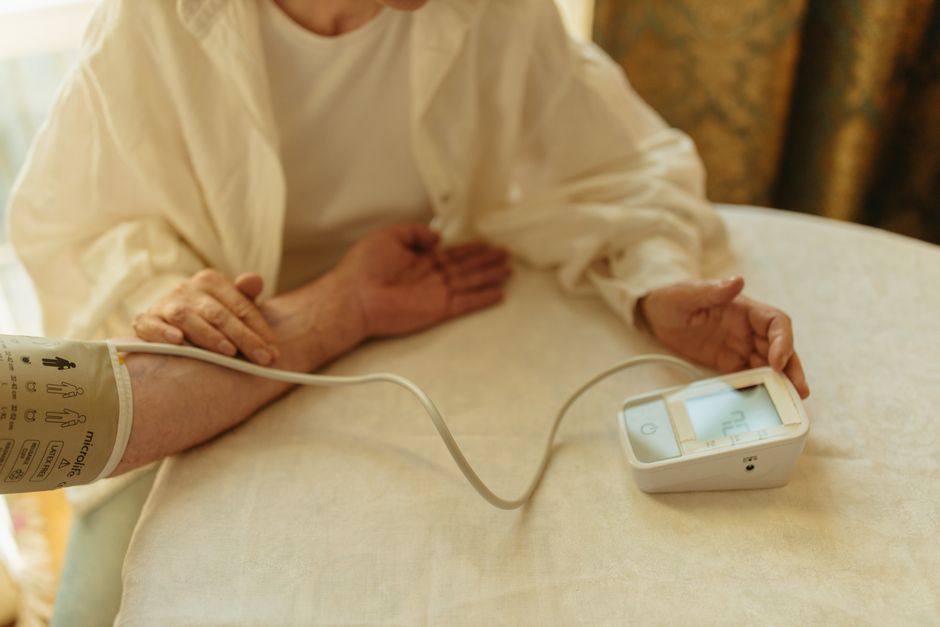
Blood pressure readings look simple — two numbers, one over the other. But many people don’t know what those numbers actually mean or when they should worry. The top number is your systolic pressure, the force when your heart beats. The bottom number is your diastolic pressure, the force when your heart rests between beats. Together they tell your doctor how hard your blood pushes against your artery walls, and that pressure level is one of the most important signals of your heart health.
What Do The Two Numbers In A Blood Pressure Reading Mean?
Your blood pressure reading has two numbers, and each one measures something different.
The systolic pressure is the top number. It measures the pressure in your arteries the moment your heart contracts and pushes blood out. This is the peak pressure your arteries experience.
The diastolic pressure is the bottom number. It measures the pressure in your arteries when your heart relaxes between beats and refills with blood. This is the lowest pressure your arteries experience.
Blood pressure is measured in millimeters of mercury, written as mmHg. A reading of 120/80 mmHg means your systolic pressure is 120 and your diastolic pressure is 80.
Both numbers matter. High systolic pressure is more common in older adults as arteries stiffen with age. High diastolic pressure is more common in younger adults. Either one being elevated is enough to raise your health risks.
What Are The Blood Pressure Categories?
Medical guidelines divide blood pressure into categories. These categories help doctors decide who needs treatment and who just needs monitoring.
| Category | Systolic (top number) | Diastolic (bottom number) |
|---|---|---|
| Normal | Less than 120 | AND less than 80 |
| Elevated | 120–129 | AND less than 80 |
| Stage 1 Hypertension | 130–139 | OR 80–89 |
| Stage 2 Hypertension | 140 or higher | OR 90 or higher |
| Hypertensive Crisis | Higher than 180 | AND/OR higher than 120 |
These categories come from guidelines established by major cardiology organizations in 2017. A single high reading does not mean you have hypertension. Your doctor typically confirms a diagnosis with multiple readings taken on different days.
Notice the word “OR” in the hypertension categories. Stage 1 hypertension is diagnosed if either your systolic is 130–139 or your diastolic is 80–89. You don’t need both numbers to be elevated.
Why Does High Blood Pressure Matter?
High blood pressure damages your body silently. Most people feel no symptoms, which is why it is often called the silent killer.
The pressure damages the delicate inner lining of your arteries. Over time, this damage leads to small tears where cholesterol and other substances can build up. This buildup narrows your arteries and makes them stiffer.
Narrowed arteries force your heart to work harder to pump blood. That extra workload can enlarge your heart muscle, weaken it over time, and increase your risk of heart failure.
High blood pressure also increases your risk of:
- Heart attack and stroke
- Kidney damage and kidney failure
- Vision loss from damaged blood vessels in the eyes
- Aneurysms — bulges in weakened artery walls
- Cognitive decline and dementia
The relationship between blood pressure and risk is continuous. The higher your blood pressure, the greater your risk. This is why even “elevated” blood pressure, not yet hypertension, matters — it signals that your risk is already climbing.


How Can You Get An Accurate Reading At Home?
Home monitoring is valuable, but only if you measure correctly. Many people take readings in ways that inflate the numbers.
Follow these steps for an accurate home reading:
- Sit quietly for five minutes before measuring
- Sit with your back supported and feet flat on the floor
- Place the cuff on your bare upper arm, not over clothing
- Rest your arm on a table at heart level
- Do not talk during the measurement
- Empty your bladder first — a full bladder can raise readings
- Do not drink caffeine or exercise within 30 minutes before measuring
Take two readings one minute apart and record both. Measure at the same times each day, typically morning and evening. Bring your log to your doctor’s appointments.
Use a validated upper-arm monitor. Wrist monitors are generally less reliable. Make sure the cuff size fits your arm — a cuff that is too small can falsely raise your reading by 10 to 40 mmHg.
What If Your Reading Is High?
A single high reading at home does not mean you have hypertension. Blood pressure naturally fluctuates throughout the day. It rises with stress, physical activity, pain, and even a full bladder.
If your home readings are consistently 130/80 or higher across several days, contact your doctor. Do not start treatment on your own.
If your reading is 180/120 or higher, this is a hypertensive crisis. If you have no symptoms, wait five minutes and recheck. If the reading stays high, contact your doctor immediately. If you have symptoms like chest pain, shortness of breath, back pain, numbness, weakness, vision changes, or difficulty speaking, call 911. This is a medical emergency.
Do not ignore very high readings. Severe untreated hypertension can cause organ damage within hours.
What Lifestyle Changes Actually Lower Blood Pressure?
Lifestyle changes are the first-line treatment for elevated blood pressure and stage 1 hypertension. For many people, they are enough to avoid medication.
Reduce sodium. The average American consumes far more sodium than recommended. Most dietary sodium comes from processed foods, not the salt shaker. Reading food labels and cooking at home are the most effective ways to cut sodium. The evidence consistently links high sodium intake to higher blood pressure.
Increase potassium. Potassium helps your kidneys excrete sodium and relaxes blood vessel walls. Good sources include bananas, potatoes, leafy greens, beans, and yogurt. People with kidney disease should talk to their doctor before increasing potassium intake.
Follow the DASH diet. The Dietary Approaches to Stop Hypertension diet emphasizes fruits, vegetables, whole grains, lean protein, and low-fat dairy while limiting saturated fat and sugar. Large clinical trials have shown it lowers blood pressure significantly, sometimes as effectively as a single medication.
Exercise regularly. Aerobic exercise — brisk walking, cycling, swimming — lowers blood pressure. The effect can last for hours after each session. Aim for at least 150 minutes of moderate activity per week. Some research also supports adding light resistance training.
Limit alcohol. Heavy drinking raises blood pressure. If you drink, limit it to no more than one drink per day for women and two for men.
Manage stress. Chronic stress keeps blood pressure elevated. The evidence for specific stress-reduction techniques is mixed, but addressing stress through exercise, sleep, or counseling makes sense given how stress affects the body.
When Is Medication Needed?
Medication is not automatically prescribed for every high reading. Doctors consider your overall cardiovascular risk, not just your blood pressure numbers.
Medication is generally recommended when:
- Blood pressure is 140/90 or higher
- Blood pressure is 130/80 or higher and you have diabetes, kidney disease, or a high calculated risk of heart disease
Multiple classes of blood pressure medications exist — diuretics, ACE inhibitors, ARBs, calcium channel blockers, and beta-blockers. Each works through a different mechanism. Many people need more than one medication to reach their target.
If your doctor prescribes medication, take it as directed. Do not stop without consulting your doctor. Stopping suddenly can cause a dangerous spike in blood pressure.
Can Low Blood Pressure Be A Problem?
Most attention focuses on high blood pressure, but low blood pressure can also cause issues. Hypotension is generally defined as a reading below 90/60 mmHg.
Some people naturally run low with no symptoms and no health problems. For them, low readings are not a concern.
For others, low blood pressure causes dizziness, fainting, blurred vision, fatigue, and nausea. This can happen when standing up too quickly, especially in older adults. It can also result from dehydration, certain medications, or underlying conditions like heart problems or endocrine disorders.
If low blood pressure causes symptoms, see your doctor. They can identify the cause and adjust medications if needed.
Frequently Asked Questions
Is 120/80 a normal blood pressure reading?
Yes, 120/80 mmHg is considered the upper limit of normal blood pressure. Readings below this are normal, while readings of 120–129 systolic with a diastolic under 80 are classified as elevated.
What is a dangerous blood pressure reading?
A reading of 180/120 mmHg or higher is a hypertensive crisis and requires immediate medical attention. This is especially urgent if you also have chest pain, shortness of breath, or neurological symptoms.
Why is my blood pressure different each time I measure it?
Blood pressure naturally fluctuates with stress, activity, time of day, food, caffeine, and even your breathing. That is why doctors base diagnoses on multiple readings taken on different days, not a single measurement.
Does the top or bottom number matter more?
Both matter, but the systolic (top) number is a stronger predictor of heart attack and stroke risk in people over 50. In younger adults, the diastolic (bottom) number may be more relevant.
