
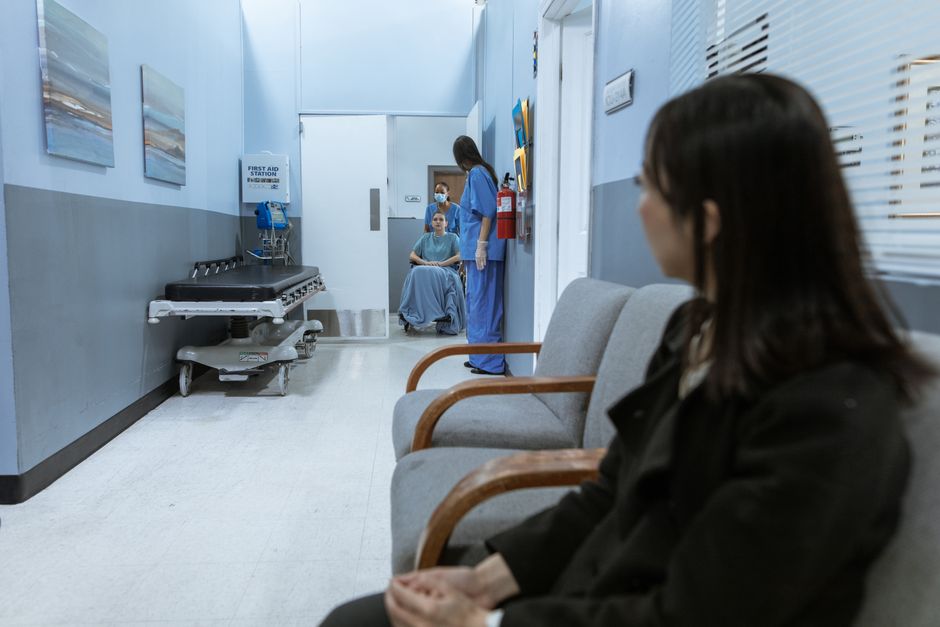
Taking your blood pressure at home is one of the best ways to know if your numbers are truly elevated or if you were just nervous at the doctor’s office. But the reading you get depends heavily on how you take it. If you sit down, wrap the cuff, and immediately hit the button, your numbers will likely be higher than they should be. The standard advice is to wait at least 5 minutes of quiet rest before taking your first reading. If you are taking multiple readings, you should wait 1 to 2 minutes between each measurement to let your blood vessels return to their normal state.
Why Do You Need To Rest Before A Reading?
Your blood pressure changes from second to second. Walking up a flight of stairs, carrying groceries, or even having a stressful phone call can spike your numbers temporarily. When you sit down, your heart rate slows gradually, and your blood vessels relax. This process takes time.
Clinical guidelines consistently recommend sitting quietly for 5 minutes before the first reading. This is not a random suggestion. Research shows that blood pressure measured after less rest tends to run higher than your true resting blood pressure. If you measure too soon after activity, you may get a falsely high result that leads to unnecessary worry or even unnecessary medication changes.
During those 5 minutes, sit with your back supported and your feet flat on the floor. Do not cross your legs. Rest your arm on a flat surface so the cuff is at heart level. Avoid talking during the rest period and during the measurement itself.
How Long To Wait Between Blood Pressure Readings?
If you are taking a single reading, one measurement after 5 minutes of rest is the minimum standard. However, most clinicians recommend taking two or three readings to get an accurate picture. The question is how long to pause between those readings.
You should wait 1 to 2 minutes between each reading. This interval allows the blood vessels in your arm to recover from the compression of the cuff. When the cuff inflates, it temporarily stops blood flow in the brachial artery. After deflation, blood rushes back in. Waiting just a few seconds may show a falsely low reading because the artery is still recovering. Waiting a full minute or two gives a more stable baseline.
For home monitoring, a common approach is to take two readings 1 to 2 minutes apart. If the two readings differ by more than 5 mmHg for either the top or bottom number, take a third reading. Then average the results. This method reduces the impact of any single unusual measurement.
How Often Should You Check Your Blood Pressure?
For most people with diagnosed hypertension, checking once in the morning and once in the evening is sufficient. Morning readings should be taken before taking any blood pressure medication, before eating, and before caffeine. Evening readings should be taken before dinner or before bed, at least a couple of hours after any food or exercise.
If you are just starting to monitor your blood pressure at home, your doctor may ask you to take readings for 7 days straight. Record the numbers in a log. After that initial week, you may only need to check a few times per week or as directed by your clinician.
Do not obsess over hourly checks. Taking your blood pressure too frequently can increase anxiety, which in turn raises your blood pressure. This creates a frustrating cycle. If you feel the urge to check every time you feel stressed, talk to your doctor about a monitoring schedule that makes sense for your situation.

What Can Skew Your Reading?
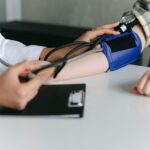
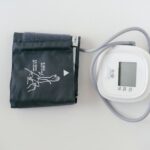
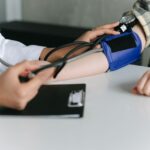
Several factors can throw off your numbers even if you wait the proper interval. The cuff size matters significantly. A cuff that is too small can add 10 to 40 mmHg to your reading. A cuff that is too large can underestimate your blood pressure. Measure your upper arm circumference and compare it to the sizing range printed on the cuff packaging.
Caffeine and nicotine both raise blood pressure temporarily. Avoid both for at least 30 minutes before a reading. A full bladder can also raise blood pressure by about 10 to 15 mmHg. Use the bathroom before you sit down to measure.
Alcohol can affect blood pressure for hours after consumption. If you drank the night before, morning readings may run higher than usual. Do not skip your medication to get a “better” reading. Take your medication as prescribed and record the numbers honestly.
What Is A Normal Home Blood Pressure Reading?
Home blood pressure readings tend to run slightly lower than office readings. This is well documented. Many people experience white coat hypertension — elevated numbers in a medical setting due to anxiety. Conversely, some people have masked hypertension, where office readings are normal but home readings are high.
For home monitoring, a normal reading is generally considered to be less than 120/80 mmHg. Hypertension is typically diagnosed when home readings consistently reach 135/85 mmHg or higher. The threshold for office readings is 140/90 mmHg. These numbers differ because of the environment in which they are taken.
If your home readings are consistently above 135/85 mmHg, talk to your doctor. Do not diagnose yourself. One high reading does not mean you have hypertension. Blood pressure varies naturally throughout the day. It dips during sleep and rises in the morning. It also rises with physical activity and stress. The pattern over days and weeks matters more than any single number.
Does Arm Position Change The Reading?
Yes, and this is one of the most commonly overlooked factors. If your arm hangs down by your side, the reading can be higher than it really is. The cuff must be at heart level. If the cuff is below heart level, gravity increases the hydrostatic pressure in your arm, which can raise the reading by up to 10 mmHg.
If the cuff is above heart level, the reading can be falsely low by a similar amount. Rest your arm on a table or armrest so the midpoint of the cuff aligns with the level of your heart. This is not a minor detail. Consistent arm placement errors can lead to misdiagnosis or incorrect medication dosing.
Your back and feet also matter. Sitting with your back unsupported can raise your systolic blood pressure by about 5 to 10 mmHg. Sitting with crossed legs can raise it by a similar amount. Sit upright, feet flat, back supported, arm resting comfortably.
When Should You Measure Both Arms?
At your first visit, your doctor may check blood pressure in both arms. A small difference between arms is common. A difference of more than 10 to 15 mmHg in systolic pressure may indicate a vascular problem worth investigating. Some research suggests that a significant between-arm difference is linked to peripheral artery disease.
For routine home monitoring, you do not need to check both arms every time. Pick one arm and use it consistently. Most people use their non-dominant arm, though the evidence for this preference is not strong. The key is consistency. If you always use the left arm, keep using the left arm. Mixing arms can introduce unnecessary variability into your records.
If you notice a persistent difference between arms, inform your doctor. They may want to evaluate the underlying cause. In most cases, the difference is harmless, but it deserves a professional opinion.
What If Your Readings Vary Widely?
Blood pressure naturally fluctuates. It is not a fixed number like your height. A single reading that is higher than usual does not necessarily mean your treatment is failing. Look for patterns over several days before making any conclusions.
If your readings are wildly inconsistent — for example, 118/76 one morning and 152/94 the next — check your technique first. Are you resting long enough? Is the cuff positioned correctly? Is the cuff the right size? Are you taking your readings at the same time each day? Technique errors are the most common cause of erratic home readings.
If your technique is sound and readings remain unpredictable, bring your log to your doctor. They may recommend ambulatory blood pressure monitoring, which uses a portable device to take readings every 20 to 30 minutes over 24 hours. This provides a complete picture of your blood pressure throughout the day and night.
Frequently Asked Questions
Can I take my blood pressure right after waking up?
Yes, but wait until after you have used the bathroom and sat quietly for 5 minutes. Do not eat, drink caffeine, or take your blood pressure medication before measuring.
Is it okay to take three blood pressure readings in a row?
Yes, but wait 1 to 2 minutes between each reading. Taking them back-to-back without a pause can compress the artery and produce inaccurate results.
Should I average my blood pressure readings?
Yes, averaging two or three readings taken 1 to 2 minutes apart gives a more accurate estimate than any single reading. Discard the first reading if it is clearly higher than the rest.
Why is my first blood pressure reading always the highest?
The first reading is often elevated because your body is still adjusting from movement to rest, or because you feel tense about the measurement itself. This is why waiting 5 minutes before the first reading is so important.
