

Allergies are incredibly common, affecting millions of people, and high blood pressure is just as widespread. It is natural to wonder if the two are connected. The short answer is that allergies themselves do not directly cause chronic high blood pressure, but the symptoms, the stress they cause, and some medications used to treat them can lead to temporary spikes in your reading. Understanding the difference between a temporary spike and a long-term condition is key to managing your health.
Can an Allergic Reaction Cause a Spike in Blood Pressure?
Yes, a severe allergic reaction can cause a sudden and dangerous drop in blood pressure, not a rise. This is a condition called anaphylaxis. During anaphylaxis, your immune system releases a flood of chemicals that can cause your blood vessels to widen rapidly and leak fluid, leading to a sharp fall in blood pressure. This is a medical emergency.
However, the everyday symptoms of allergies, like sneezing, congestion, and itchy eyes, do not cause a sustained increase in blood pressure. The physical stress of dealing with chronic symptoms can cause a temporary elevation. For example, if you are struggling to breathe through a stuffy nose or are exhausted from a lack of sleep, your body is under stress. This stress response can raise your heart rate and blood pressure for a short period.
How Do Allergy Medications Affect Blood Pressure?
The link between allergies and blood pressure is most often found in the medications people take. The effects vary significantly depending on the type of drug. It is crucial to know which medicines can interfere with your blood pressure and which are generally considered safe.
Decongestants are the primary culprit. These are found in many over-the-counter cold and allergy products, often with names ending in “-D” like Claritin-D or Allegra-D. Decongestants work by narrowing blood vessels in your nasal passages to reduce swelling and congestion. This narrowing also affects blood vessels throughout your body, which can raise your blood pressure. They can also interfere with the effectiveness of blood pressure medications. People with high blood pressure should generally avoid these.
Other allergy medications have a different profile:
- Antihistamines (like cetirizine, loratadine, and fexofenadine) are generally considered safe for most people with high blood pressure. They do not typically affect blood pressure.
- Nasal corticosteroids (like fluticasone and triamcinolone) are sprays that reduce inflammation in the nose. They are very safe and have minimal effects on the rest of the body.
- Leukotriene modifiers (like montelukast) are prescription tablets that block some chemicals of the allergic response. They are not known to raise blood pressure.
The risk is mainly associated with decongestants. If you have high blood pressure, it is important to check the active ingredients on any allergy medication label and avoid those containing decongestants like pseudoephedrine or phenylephrine.
Is the Stress of Allergies a Factor?
Chronic allergies are a source of low-grade, persistent stress. Constant sneezing, a runny nose, and poor sleep can take a toll. This is not the same as clinical anxiety, but it does activate the body’s stress response. When you are stressed, your body releases hormones like adrenaline and cortisol. These hormones temporarily increase your heart rate and constrict blood vessels, which raises blood pressure.
This is a normal, short-lived response. Once the stressor is gone, your blood pressure should return to its baseline. For most people, this does not lead to chronic hypertension. However, if you are already at risk for high blood pressure, repeated episodes of stress from uncontrolled allergies could contribute to higher overall readings. Managing your allergy symptoms effectively can reduce this background stress and help keep your blood pressure more stable.



What About Allergy Shots and Blood Pressure?
Allergy immunotherapy, commonly known as allergy shots, is a long-term treatment that helps your body build tolerance to specific allergens. These shots contain tiny amounts of the substances you are allergic to. The goal is to reduce your sensitivity over time.
Allergy shots do not raise blood pressure as a common side effect. The primary risk associated with them is the possibility of a severe allergic reaction, including anaphylaxis. This is why you are required to wait in the clinic for 30 minutes after each shot. As mentioned earlier, anaphylaxis causes a drop in blood pressure, not a rise. For people with well-controlled blood pressure, allergy shots are generally considered a safe and effective treatment option.
When Should You Be Concerned About Your Blood Pressure?
A single high reading is not the same as having high blood pressure. Blood pressure naturally fluctuates throughout the day. It can be higher when you are in pain, stressed, or have just exercised. A diagnosis of hypertension requires consistently elevated readings over multiple visits.
You should be concerned if you notice a pattern. If you are checking your blood pressure at home and it is consistently at or above 130/80 mmHg, you should discuss this with your doctor. You should also be concerned if you are taking a decongestant for allergy relief and notice your blood pressure is higher than usual. This is a sign that the medication may be affecting you.
It is also important to distinguish between a temporary spike and a crisis. A sudden, severe headache, chest pain, vision changes, or shortness of breath along with a very high blood pressure reading requires immediate medical attention.
How to Manage Allergies Without Affecting Blood Pressure
If you have high blood pressure, you do not have to suffer through allergy season. You just need to choose your treatments carefully. The first step is to talk to your doctor or pharmacist. They can help you select products that are safe for you.
Here are some general strategies that can help:
- Use nasal sprays as a first-line treatment. Saline rinses and corticosteroid sprays are effective for congestion and do not raise blood pressure.
- Choose non-drowsy antihistamines for sneezing and itching. These are generally safe for blood pressure.
- Avoid decongestants in pill or liquid form. This includes products with “D” in the name.
- Consider allergy immunotherapy as a long-term solution to reduce your overall allergy burden.
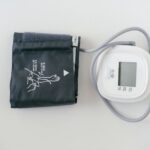
- Monitor your blood pressure at home during allergy season to see if your readings change.
Lifestyle measures that help with blood pressure also help with allergy resilience. Getting enough sleep, managing stress, and staying hydrated are all beneficial. A healthy immune system is less reactive, and a rested body copes better with allergens.
Frequently Asked Questions
Can allergy medicine cause high blood pressure?
Yes, decongestants found in many allergy medicines can raise blood pressure by narrowing blood vessels. Other types of allergy medications, like antihistamines and nasal steroid sprays, are generally not associated with increased blood pressure.
Do allergy shots raise blood pressure?
No, allergy shots do not typically raise blood pressure. The main risk is a severe allergic reaction, which causes a dangerous drop in blood pressure, and patients are monitored after each injection.
What is the safest allergy medicine for high blood pressure?
Nasal corticosteroid sprays and newer generation antihistamines are generally considered safe for people with high blood pressure. You should avoid any product containing a decongestant to be safe.
Can allergies cause hypertension?
Allergies do not cause chronic hypertension. The stress of symptoms can cause temporary increases in blood pressure, but they do not lead to a permanent diagnosis of high blood pressure.
