
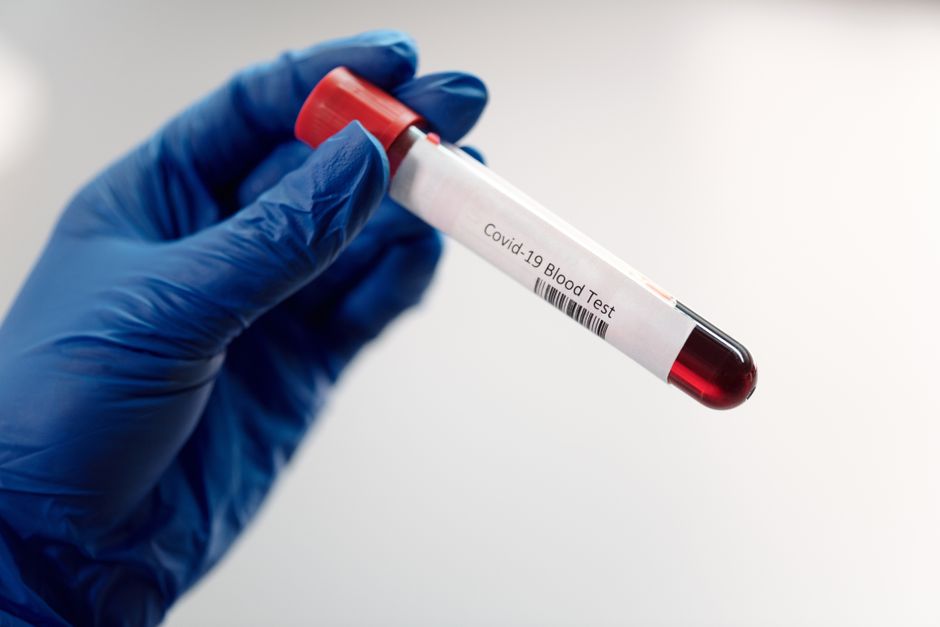
Yes, COVID-19 can increase blood pressure, both during the acute infection and for weeks or months afterward. The virus triggers widespread inflammation, activates the body’s stress response, and can directly damage the lining of blood vessels. This combination often leads to higher readings, even in people who previously had normal blood pressure.
Can Covid Increase Blood Pressure Heres How
COVID-19 affects blood pressure through several distinct pathways. The most immediate effect involves the virus entering cells through the ACE2 receptor, which plays a major role in regulating blood pressure. The angiotensin-converting enzyme 2 (ACE2) normally helps relax blood vessels and keep pressure stable. When the virus binds to these receptors, it disrupts this system.
Inflammation is the second major driver. A severe COVID-19 infection triggers a widespread inflammatory response throughout the body. This inflammation makes blood vessels stiffer and less responsive. Stiffer vessels mean the heart has to pump harder, which raises pressure inside the arteries.
Blood vessel damage is the third pathway. The virus can directly injure the endothelium, the thin layer of cells lining all blood vessels. Damaged endothelium loses its ability to regulate blood flow properly. This damage also makes blood more prone to clotting, which further stresses the cardiovascular system.
There is also a practical explanation that has nothing to do with the virus itself. Illness raises stress levels. Pain, fever, anxiety, and poor sleep all activate the sympathetic nervous system. This is the “fight or flight” response, and it temporarily raises blood pressure. During a COVID-19 infection, many people experience all of these factors at once.
How Long Does Blood Pressure Stay Elevated After COVID?
Blood pressure elevation can persist well beyond the active infection. Some research indicates that blood pressure may remain higher for several months after recovery. The duration depends heavily on the severity of the initial illness and whether the person had any underlying cardiovascular risk factors before getting sick.
People who had mild or moderate COVID-19 often see their blood pressure return to baseline within a few weeks. Those who had severe illness, required hospitalization, or had pre-existing hypertension may experience longer-lasting changes. Some patients report needing higher doses of their blood pressure medications for months after their infection.
Long COVID also plays a role. Some people with post-COVID syndrome continue to experience autonomic nervous system dysfunction. This condition, sometimes called dysautonomia, affects the body’s automatic functions including heart rate and blood pressure regulation. When this system is disrupted, blood pressure can fluctuate unpredictably for an extended period.
One important point to understand: a single high reading during illness does not mean you have chronic hypertension. Blood pressure naturally fluctuates throughout the day. Stress, dehydration, and fever can all cause temporary spikes. The concern is when readings remain consistently elevated after the infection has resolved.
Can COVID-19 Cause Permanent High Blood Pressure?
The honest answer is that researchers do not yet know with certainty. COVID-19 is a relatively new disease, and long-term data is still being collected. What is clear is that the virus can cause lasting damage to the cardiovascular system in some people.
Blood vessel damage from COVID-19 can persist after recovery. The endothelium, once injured, may not fully repair itself in everyone. This is especially true for people who had severe infections or who already had conditions like diabetes, obesity, or chronic kidney disease.
What researchers do know: if blood pressure remains elevated for more than a few months after COVID-19, it is likely to persist. Chronic hypertension rarely resolves on its own. Once the elevated readings become consistent, the condition is typically managed the same way as any other case of high blood pressure.
This means lifestyle changes and, in many cases, medication. The good news is that standard hypertension treatments appear to work well for post-COVID blood pressure elevation. There is no evidence that COVID-related hypertension requires a fundamentally different treatment approach.


Who Is Most at Risk of Blood Pressure Problems After COVID?
Certain groups face a higher risk of sustained blood pressure elevation after COVID-19. People with pre-existing hypertension are the most obvious group. The added stress of the infection often pushes their readings higher than their baseline, and some never return to their previous levels.
Older adults are also at increased risk. Blood vessels naturally stiffen with age. The inflammatory damage from COVID-19 adds to this existing stiffness. The combined effect can push blood pressure into a higher range that persists.
People with other cardiovascular risk factors face similar concerns. These include:
- Diabetes
- Obesity
- Chronic kidney disease
- A history of smoking
- High cholesterol
People who were hospitalized with severe COVID-19 are at the highest risk of all. Severe illness involves more inflammation, more blood vessel damage, and longer periods of physical stress. The recovery period for these patients is longer, and blood pressure may take months to stabilize.
It is also worth noting that some medications used during severe COVID-19 treatment can affect blood pressure. Steroids like dexamethasone can cause fluid retention and raise blood pressure while they are being used. These effects usually resolve after the medication is stopped, but they can complicate blood pressure management during the illness.
What Should You Do If Your Blood Pressure Is High After COVID?
If you had COVID-19 and your blood pressure remains elevated, monitor it consistently at home. Take readings at the same time each day, preferably in the morning before eating or taking medications. Sit quietly for five minutes before measuring, with your feet flat on the floor and your arm supported at heart level.
Keep a record of your readings for at least two weeks. This gives you and your doctor a clearer picture than a single office reading. Blood pressure measured in a clinic is often artificially high due to anxiety, a phenomenon known as white coat hypertension.
Contact your healthcare provider if your home readings are consistently above 130/80 mmHg. This is the threshold that the American College of Cardiology and the American Heart Association define as elevated blood pressure. Readings above 180/120 mmHg are a medical emergency and require immediate attention.
Do not stop or adjust your blood pressure medications without talking to your doctor. Some people assume that because they are young or previously healthy, they do not need treatment. Post-COVID hypertension responds to the same treatments as any other hypertension, and untreated high blood pressure carries the same long-term risks of heart attack, stroke, and kidney damage.
Lifestyle measures can help in the recovery period. Reducing salt intake, maintaining physical activity as tolerated, managing stress, and prioritizing sleep all support blood pressure regulation. These measures are especially important during recovery, when the body is still repairing damage from the infection.
Can COVID Vaccines Raise Blood Pressure?
Some people report temporary blood pressure changes after receiving a COVID-19 vaccine. This is not the same as the blood pressure effects of the infection itself, but it is worth addressing because it causes confusion.
The immune response triggered by vaccination can cause mild inflammation for a day or two. Some people also experience anxiety about getting vaccinated, which can raise blood pressure temporarily. These effects are short-lived and typically resolve within 48 hours.
There is no evidence that COVID-19 vaccines cause sustained hypertension. Large-scale safety monitoring has not identified chronic blood pressure elevation as a vaccine side effect. The temporary changes some people notice are not a reason to avoid vaccination, especially given the much higher cardiovascular risks associated with the actual infection.
When to See a Doctor
Any persistent blood pressure elevation deserves medical attention. If you had COVID-19 and your readings have not returned to normal within a month, schedule an appointment with your healthcare provider. They can assess whether you need medication, adjust existing treatments, or investigate other causes.
Seek emergency care immediately if you experience a blood pressure reading above 180/120 mmHg along with any of the following symptoms:
- Chest pain
- Shortness of breath
- Vision changes
- Severe headache
- Numbness or weakness on one side of the body
- Difficulty speaking
These symptoms may indicate a hypertensive crisis, which is a life-threatening condition. Do not wait to see if symptoms improve. Call emergency services or go to the nearest emergency department.
For most people, post-COVID blood pressure elevation is manageable. The key is to monitor consistently, communicate with your healthcare provider, and follow their recommendations. Early intervention prevents the long-term complications of untreated hypertension.
Frequently Asked Questions
How long does high blood pressure last after COVID-19?
Blood pressure can stay elevated for weeks to several months after infection. The duration depends on illness severity and whether you had cardiovascular risk factors before getting sick.
Can COVID-19 cause high blood pressure in people who never had it before?
Yes, some previously healthy people develop elevated blood pressure after COVID-19. The virus can damage blood vessels and disrupt blood pressure regulation even in people with no prior history.
Should I take my blood pressure medication if I have COVID-19?
Continue taking your prescribed blood pressure medications unless your doctor tells you otherwise. Stopping suddenly can cause dangerous blood pressure spikes.
Is post-COVID high blood pressure permanent?
Not necessarily, but if readings remain elevated for several months, the condition is likely to persist. Consistent monitoring and medical follow-up are essential to determine the right treatment approach.
