
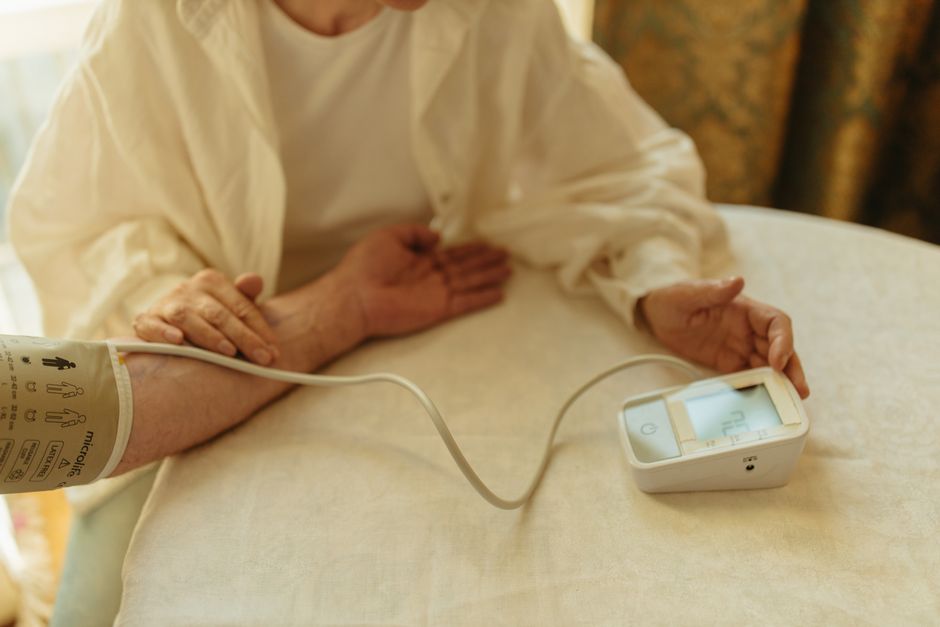
Most people look at the top number on their blood pressure monitor and ignore the rest. That is a mistake. The monitor shows three numbers: systolic pressure, diastolic pressure, and pulse rate. Each one tells your doctor something different about your heart and blood vessels. Reading all three correctly gives you a much clearer picture of your cardiovascular health than focusing on just one.
What Do the Three Numbers on a Blood Pressure Monitor Mean?
The first number is your systolic pressure. This is the pressure in your arteries when your heart beats and pushes blood out. It is the higher of the two blood pressure numbers. The second number is your diastolic pressure. This is the pressure in your arteries when your heart rests between beats. It is the lower number.
The third number is your pulse rate, sometimes labeled as “Pulse” or “HR” on the screen. This is how many times your heart beats per minute. A normal resting pulse for adults is between 60 and 100 beats per minute according to the American Heart Association. Some people with high fitness levels have resting pulses below 60 and that is usually fine.
Your blood pressure monitor displays all three because they are independent measurements. A healthy systolic number does not guarantee a healthy diastolic number. And a normal pulse does not mean your blood pressure is fine. Each number needs its own check.
How To Read A Blood Pressure Monitor All 3 Numbers Correctly
Reading the numbers is simple once you understand the order. The top number is always systolic. The middle or bottom number is diastolic. The pulse is usually shown separately, often with a heart icon next to it.
To interpret the numbers, compare them to the standard ranges from the American College of Cardiology and the American Heart Association. A normal reading is below 120 systolic and below 80 diastolic. Elevated blood pressure is 120-129 systolic with diastolic below 80. Stage 1 hypertension is 130-139 systolic or 80-89 diastolic. Stage 2 hypertension is 140 or higher systolic or 90 or higher diastolic.
For the pulse, anything between 60 and 100 at rest is considered normal. If your pulse is consistently above 100 or below 60 and you feel symptoms like dizziness or fatigue, that is worth discussing with your doctor.
One common mistake is worrying about a single high reading. Blood pressure fluctuates throughout the day. It goes up when you exercise, feel stressed, or even when you talk. The American Heart Association recommends taking two to three readings at the same time each day, one minute apart, and averaging them. A single reading is not enough to make a decision.
Why Does Diastolic Pressure Matter More Than People Think?
Many people focus only on the systolic number because it is the one that rises first with age. But diastolic pressure is equally important, especially for younger adults.
Diastolic pressure reflects the resistance in your blood vessels when your heart is resting. If your diastolic number is consistently above 90, even with a normal systolic number, that is a sign of increased pressure in your arteries between heartbeats. Research published in the Journal of the American College of Cardiology found that elevated diastolic pressure independently predicts heart disease risk in people under 50.
For older adults, systolic pressure becomes the stronger predictor of heart attack and stroke. The arteries stiffen with age, making the systolic number climb while the diastolic number often levels off or even drops. A diastolic reading below 60 in someone over 60 can be a concern because it may mean the heart is not getting enough blood flow during rest.
The point is simple: do not ignore the diastolic number. If your monitor shows 118 over 92, that diastolic reading of 92 is high and needs attention even though the systolic looks fine.





What Does Your Pulse Number Tell You That Blood Pressure Does Not?
Your pulse rate is not a direct measure of blood pressure. It measures your heart rate. But the two are connected in important ways.
A high resting pulse, above 80 beats per minute, has been linked to higher risk of heart disease in several large studies. The exact reason is not fully clear. It may be that a higher pulse reflects a less efficient heart or a more active sympathetic nervous system. Some researchers think it is simply a marker of lower physical fitness.
Your pulse also tells you if your heart is beating regularly. If your monitor shows an irregular pulse pattern, or if the numbers jump around wildly from reading to reading, that could be a sign of atrial fibrillation. The CDC reports that about 2.7 million Americans have atrial fibrillation, and many do not know it. Some home monitors have a built-in irregular heartbeat detector. If yours flags an irregular rhythm, take it seriously and mention it to your doctor.
One thing many people do not realize is that caffeine, stress, and even talking can raise your pulse by 10 to 20 beats per minute. For the most accurate resting pulse reading, sit quietly for five minutes before measuring. Do not talk during the reading.
What Mistakes Ruin the Accuracy of Your Blood Pressure Reading?
Home blood pressure monitors are accurate when used correctly. But small mistakes can throw off the numbers by 10 points or more. Here are the most common errors based on guidelines from the American Heart Association.
Wrong cuff size. A cuff that is too small gives falsely high readings. A cuff that is too large gives falsely low readings. Measure the circumference of your upper arm and check your monitor manual for the correct cuff size. Most adults need a standard cuff, but larger or smaller cuffs are available.
Wrong arm position. Your arm must be supported at heart level. If your arm hangs down, the reading can be 10 points higher. Rest your arm on a table or armrest. Do not hold it up yourself.
Full bladder. A full bladder can raise systolic pressure by 10 to 15 points. Use the bathroom before measuring.
Crossed legs. Sitting with your legs crossed raises systolic pressure by 2 to 8 points. Sit with both feet flat on the floor.
Talking during the reading. Even casual conversation can raise your reading. Stay silent.
Smoking or caffeine within 30 minutes. Both temporarily raise blood pressure. Wait at least 30 minutes after smoking or caffeine before measuring.
| Mistake | Effect on Reading |
|———|——————-|
| Wrong cuff size | 5-15 points off |
| Arm below heart level | Up to 10 points higher |
| Full bladder | 10-15 points higher systolic |
| Crossed legs | 2-8 points higher |
| Talking | 5-10 points higher |
| Caffeine or smoking within 30 minutes | 5-10 points higher |
When Should You Check All Three Numbers?
You do not need to check your blood pressure every day unless your doctor recommends it. For most people, checking once or twice a month is enough to stay aware of changes.
If you have been diagnosed with high blood pressure, your doctor will likely ask you to check daily, at the same time each morning and evening. Morning readings should be taken before taking medication and before eating. Evening readings should be taken before bed.
For the pulse, pay attention if you feel heart palpitations, dizziness, or shortness of breath. A single irregular reading is usually nothing to worry about. But if your monitor shows an irregular pulse pattern repeatedly, or if your resting pulse is consistently above 100 or below 50 with symptoms, that is a reason to call your doctor.
One more thing: home monitors are not diagnostic tools. They give you data to share with your doctor. Do not change your medication or treatment based on a single reading. Always discuss trends with your healthcare provider.
Frequently Asked Questions
What is a normal blood pressure reading with all three numbers?
A normal reading is systolic below 120, diastolic below 80, and pulse between 60 and 100 beats per minute at rest. All three numbers should be within these ranges for a fully normal result.
Why does my blood pressure monitor show a third number?
The third number is your pulse rate, which measures how many times your heart beats per minute. It is not part of your blood pressure measurement but gives additional information about your heart function.
Can I trust the pulse reading on my home blood pressure monitor?
Yes, most home monitors measure pulse accurately. You can double-check by counting your pulse at your wrist for 15 seconds and multiplying by four. If the numbers differ by more than 5 beats, the monitor may need recalibration.
What does it mean if my diastolic number is high but systolic is normal?
This pattern is called isolated diastolic hypertension and is more common in younger adults. It still increases your risk for heart disease and should be discussed with your doctor even if the systolic number looks fine.
