

Yes, coughing makes your blood pressure go up. A strong cough causes a sudden, temporary spike in both systolic and diastolic pressure. This happens because coughing increases pressure inside your chest and abdomen, which briefly forces more blood into your arteries. For most people, these spikes are harmless and last only a few seconds. But if you already have high blood pressure or heart problems, repeated hard coughing can put extra stress on your body.
What Exactly Happens to Your Body When You Cough?
Coughing is a reflex. Your body uses it to clear your airways of irritants like mucus, dust, or smoke. When you cough, your diaphragm and chest muscles contract forcefully. This creates high pressure inside your chest cavity.
That pressure compresses your heart and major blood vessels. For a split second, blood flow to your heart slows down. Then when the cough ends and pressure drops, blood rushes back with more force. Your heart rate also changes briefly. The result is a quick rise in blood pressure.
Research published in the Journal of Clinical Hypertension found that a single cough can raise systolic pressure by 10 to 40 mmHg. The spike lasts only a few heartbeats. Then your numbers return to where they were before.
This is a normal physical response. It is not a sign of a problem unless the spikes are extreme or happen very often.
Does Coughing Make Your Blood Pressure Go Up Permanently?
No. Coughing does not cause long-term high blood pressure. The rise is temporary and lasts seconds, not minutes or hours.
Chronic high blood pressure, called hypertension, develops over years. It is caused by factors like genetics, diet high in sodium, lack of exercise, smoking, and stress. A cough does not change your blood vessel health or your kidney function. It does not make your arteries stiff.
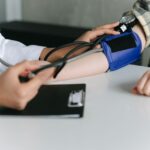
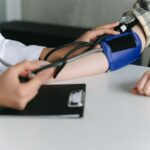
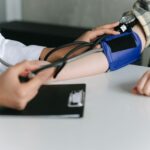
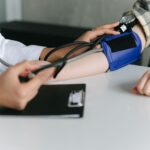
If your blood pressure is high when measured at a doctor’s office, and you were coughing just before that reading, the number could be falsely elevated. Doctors know this. That is one reason they often take multiple readings. They want to see your resting blood pressure, not a number affected by coughing, talking, or moving.
So coughing can make a single reading look high. But it does not cause the disease of hypertension.
How Much Does Coughing Raise Blood Pressure Compared to Other Daily Activities?
Coughing raises blood pressure, but not as much as many other normal activities. The table below shows how different actions affect systolic blood pressure in healthy adults. The numbers are approximate based on multiple studies.
| Activity | Typical Systolic Rise (mmHg) | Duration |
|---|---|---|
| Single cough | 10 to 40 | Seconds |
| Laughing | 5 to 15 | Seconds |
| Standing up quickly | 5 to 20 | Seconds to minutes |
| Walking briskly | 10 to 30 | Minutes |
| Lifting a heavy object | 20 to 50 | Seconds |
| Having a bowel movement with straining | 20 to 60 | Seconds to minutes |
| Moderate exercise (jogging) | 30 to 60 | Minutes |
| Sexual orgasm | 40 to 100 | Seconds |
As you can see, coughing is on the lower end of the range. Activities like lifting weights or having an orgasm cause much bigger spikes. The body handles these temporary rises without damage in healthy people.

Can Chronic Coughing Worsen High Blood Pressure Over Time?
This is a more complicated question. The evidence here is not as strong. Some studies suggest a link between chronic cough and higher blood pressure, but it is hard to separate the cause.
People with chronic cough often have underlying conditions like asthma, COPD, acid reflux, or sleep apnea. All of these can independently raise blood pressure. Sleep apnea in particular is strongly linked to hypertension. If a person has a chronic cough at night, it can disrupt sleep. Poor sleep is a known risk factor for high blood pressure.
There is also the issue of medications. Some common cough medicines contain ingredients that raise blood pressure. Decongestants like pseudoephedrine and phenylephrine constrict blood vessels. They can cause significant blood pressure increases. If you take them daily for a chronic cough, your blood pressure may stay elevated.
Research in the journal Chest found that people with chronic cough had slightly higher average blood pressure than people without it. But the study could not prove the cough caused the rise. The link is real, but it may be driven by the underlying illness or the medications rather than the cough itself.
The practical takeaway is this: if you have a cough that lasts more than three weeks, see a doctor. Treating the root cause is more important than worrying about temporary blood pressure spikes from the cough.
When Should You Be Concerned About Coughing and Blood Pressure?
For most people, a cough-related blood pressure spike is not dangerous. But there are situations where it matters.
If you have uncontrolled hypertension, your blood vessels are already under stress. A sudden spike from a hard cough could be risky, especially if you have weakened blood vessels or an aneurysm. Aneurysms are bulges in artery walls that can rupture under sudden pressure. Coughing has been reported as a trigger for aneurysm rupture in rare cases.
If you have heart failure, your heart struggles to pump blood effectively. The pressure changes from coughing can briefly make this worse. Some people with heart failure feel dizzy or lightheaded after a coughing fit.
If you have aortic stenosis, a narrowed heart valve, coughing can cause a sudden drop in blood flow to the brain. This can make you faint. It is called “cough syncope” and it is a known medical condition.
Signs that a cough is affecting you too much include:
- Dizziness or fainting after coughing
- Chest pain during or right after a cough
- Shortness of breath that does not go away after the cough stops
- Rapid heart rate that stays high for more than a minute after coughing
- Severe headache after a coughing fit
If you experience any of these, talk to your doctor. They may want to check your heart and blood pressure more closely.
What Should You Avoid If You Have High Blood Pressure and a Cough?
This is where many people make mistakes. They reach for over-the-counter cough medicines without checking the ingredients.
Decongestants are the biggest problem. They are found in many multi-symptom cold and flu products. Pseudoephedrine and phenylephrine narrow your blood vessels. This raises blood pressure. The American Heart Association warns people with hypertension to avoid these ingredients.
NSAIDs like ibuprofen and naproxen can also raise blood pressure. They reduce blood flow to the kidneys, which can cause fluid retention and higher pressure. If you have high blood pressure, use acetaminophen for fever or pain instead.
Caffeine is another issue. Many cough medicines contain caffeine to help with fatigue. Caffeine itself raises blood pressure temporarily. Combined with a decongestant, the effect can be stronger.
Here is what to look for on the label:
- Avoid “decongestant” or “nasal decongestant”
- Avoid “pseudoephedrine” or “phenylephrine”
- Avoid “NSAID” or “ibuprofen” or “naproxen”
- Look for single-ingredient products like plain guaifenesin or dextromethorphan
- Consider honey, warm tea, or a humidifier instead of medication
If you are not sure, ask a pharmacist. They can help you pick a product that will not raise your blood pressure.
Frequently Asked Questions
Frequently Asked Questions
Can coughing cause a stroke?
It is very rare. A cough can trigger a stroke only if you already have a weak blood vessel in the brain, such as an aneurysm.
Does holding your breath while coughing change the effect on blood pressure?
Yes, holding your breath and bearing down, called the Valsalva maneuver, can cause a larger blood pressure spike than a normal cough.
Is it safe to take blood pressure medication while I have a cough?
Yes, you should keep taking your medication as prescribed. Stopping it suddenly can cause dangerous blood pressure spikes.
Can a cough be a sign of high blood pressure?
No, a cough is not a direct symptom of high blood pressure. Hypertension usually has no symptoms until it is severe.
