
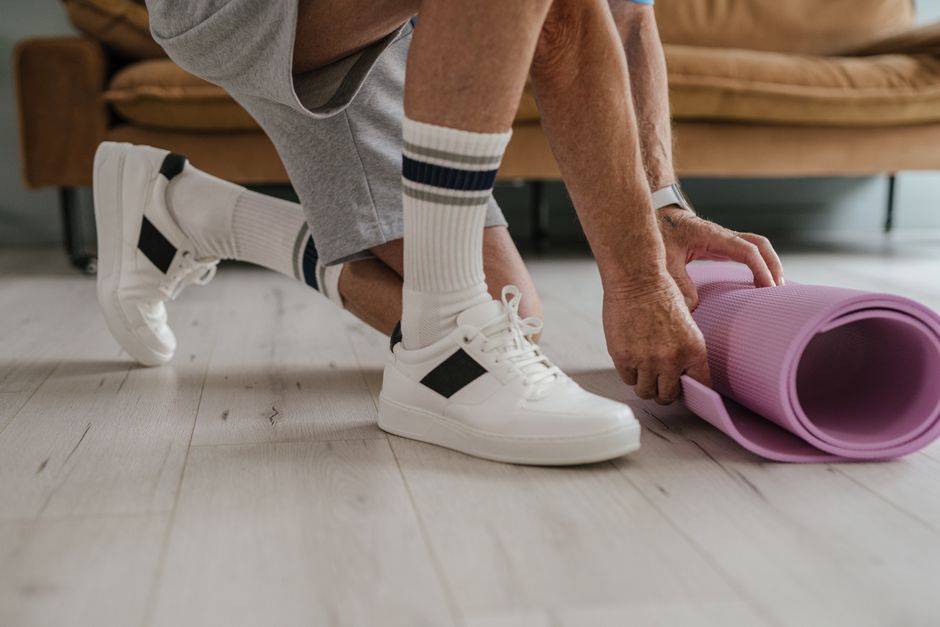
Making non-slip socks for elderly family members at home is simple and costs very little. You need regular socks and a product that adds grip to the bottom. The most reliable method is applying puffy fabric paint or silicone sealant in a pattern on the sock soles. This creates raised dots or lines that grab the floor and reduce sliding. It takes about 30 minutes of work and 24 hours to dry fully.
What Causes Socks to Be Slippery for Older Adults?
Standard socks are made from smooth cotton or synthetic blends. These materials have very little friction against hard floors like wood, tile, or laminate. When an older person walks, the sock compresses against the floor and slides easily.
Muscle weakness and balance issues make this worse. A small slip that a younger person catches quickly can cause a fall in someone over 65. The National Institute on Aging reports that falls are the leading cause of injury for older adults. Slippery socks are a preventable factor in many of these incidents.
Many store-bought “grip socks” wear out after a few washes. The rubber dots peel off or smooth down. Making your own allows you to reapply grip as needed and control the quality of materials used.
How To Make Non Slip Socks For Elderly At Home With Puffy Fabric Paint
Puffy fabric paint is the most common DIY solution. It is widely available at craft stores and online. The paint creates raised rubbery bumps that provide traction against smooth floors.
Here is the process step by step:
- Turn the sock inside out and place a piece of cardboard inside. This prevents paint from bleeding through to the other side.
- Turn the sock right side out with the cardboard still inside.
- Apply the paint in a pattern. Dots spaced about half an inch apart work well. You can also draw straight lines across the sole or a zigzag pattern.
- Let the paint dry for 24 hours. Do not rush this step. Damp paint will smear and lose grip.
- Heat set the paint by running a warm iron over the painted area for 30 seconds. Place a thin cloth between the iron and the sock.
One bottle of fabric paint covers about four to six pairs of socks. The grip lasts through approximately 15 to 20 machine wash cycles if you wash them inside out on a gentle cycle. Air drying extends the life of the grip significantly.
Does Silicone Caulk Work Better Than Fabric Paint?
Clear silicone caulk from a hardware store is another option. Some people report it lasts longer than fabric paint. As of 2026, there are no formal studies comparing DIY methods, but user experience suggests silicone holds up better on socks that get washed frequently.
The application method is similar. You need to apply thin beads of silicone in a pattern. The main difference is drying time. Silicone takes 48 to 72 hours to cure fully. It also smells stronger during application, so work in a well-ventilated area.
One advantage of silicone is durability. It stays flexible and does not crack as easily as dried fabric paint. The downside is that it is harder to remove if you make a mistake. Once it cures, it is permanent.
For most home use, fabric paint is simpler and safer. Silicone is better for people who wash socks in hot water or dry them on high heat.





What Is the Best Pattern for Maximum Grip?
The pattern you choose affects how well the socks work. Current research on fall prevention does not specify exact sock patterns. However, general principles of friction tell us that more contact points create more grip.
Here is a quick comparison of common patterns:
| Pattern | Grip Level | Comfort | Durability |
|---|---|---|---|
| Small dots (quarter-inch apart) | High | High | Moderate |
| Thick lines across the sole | Moderate | Moderate | High |
| Full coverage grid | Very High | Low | Low |
| Zigzag pattern | Moderate | High | Moderate |
Small dots offer the best balance of grip, comfort, and durability. Full coverage patterns feel bumpy underfoot and peel off faster. The key is to cover about 40 to 50 percent of the sole surface area. Too much coverage creates a hard uncomfortable surface. Too little coverage provides no real benefit.
What Materials Should You Avoid When Making Non-Slip Socks?
Not every sticky or grippy product is safe for socks. Some common mistakes can actually increase fall risk or cause other problems.
Hot glue is a bad choice. It creates hard lumps that feel uncomfortable and can crack off in sharp pieces. These pieces become tripping hazards on the floor. Hot glue also melts in the dryer and ruins both the socks and the machine.
Rubber cement does not hold up to washing. It dissolves in water and leaves a sticky residue on floors. This residue attracts dirt and creates a slippery film.
Double-sided carpet tape is dangerous. It loses grip quickly and leaves adhesive on floors. An elderly person stepping onto a taped floor can have their foot stick unexpectedly, causing a forward fall.
Nail polish or clear coat provides almost no grip. These products dry smooth and hard. They do not increase friction at all. Some people try this because it is quick, but it is a waste of time.
Stick with products designed for fabric or flexible surfaces. Fabric paint and silicone are the only two options that have widespread positive reports from users.
How Long Do DIY Non-Slip Socks Last Before Needing Replacement?
Homemade non-slip socks do not last forever. The lifespan depends on three factors: the material used, how often the socks are washed, and the drying method used.
Fabric paint typically lasts 15 to 25 washes. Silicone lasts 30 to 50 washes. Washing socks inside out in cold water and air drying them doubles the lifespan of both materials. Machine drying on high heat breaks down the grip quickly.
Check the socks every two weeks for signs of wear. Look for peeling edges, cracks in the paint, or smooth spots where the grip has worn away. When you see these signs, it is time to reapply. You can paint new dots right over the old ones if the base layer is still mostly intact.
Some people report that rotating between three or four pairs of grip socks extends the life of each pair. This makes sense because less frequent washing reduces wear on the grip material.
Common Misconceptions About DIY Non-Slip Socks
There is a widespread belief that any textured surface will prevent falls. This is not true. The texture must be soft enough to compress slightly against the floor. Hard textures like dried glue or thick plastic create a pivot point that can actually cause a slip.
Another myth is that grip socks replace the need for non-slip footwear. Socks with grip are better than bare feet or regular socks. But they are not as safe as properly fitted shoes with rubber soles. For elderly people with significant balance problems, non-slip shoes are still the better choice.
Some people also think that more grip is always better. Too much grip can cause the foot to catch on the floor during walking. This creates a tripping risk. The goal is moderate traction that prevents sliding but still allows natural foot movement.
Frequently Asked Questions
Can I use regular acrylic paint instead of fabric paint?
No. Regular acrylic paint dries hard and cracks off in the wash. It does not provide lasting grip.
How do I clean socks with fabric paint grip?
Wash them inside out in cold water on a gentle cycle. Air dry them completely before wearing.
Will DIY non-slip socks work on carpet?
They are designed for hard floors. On carpet, the grip does not help and may feel uncomfortable underfoot.
Is it safe to put non-slip socks in the dryer?
It shortens the life of the grip. Air drying is safer and makes the socks last much longer.
