
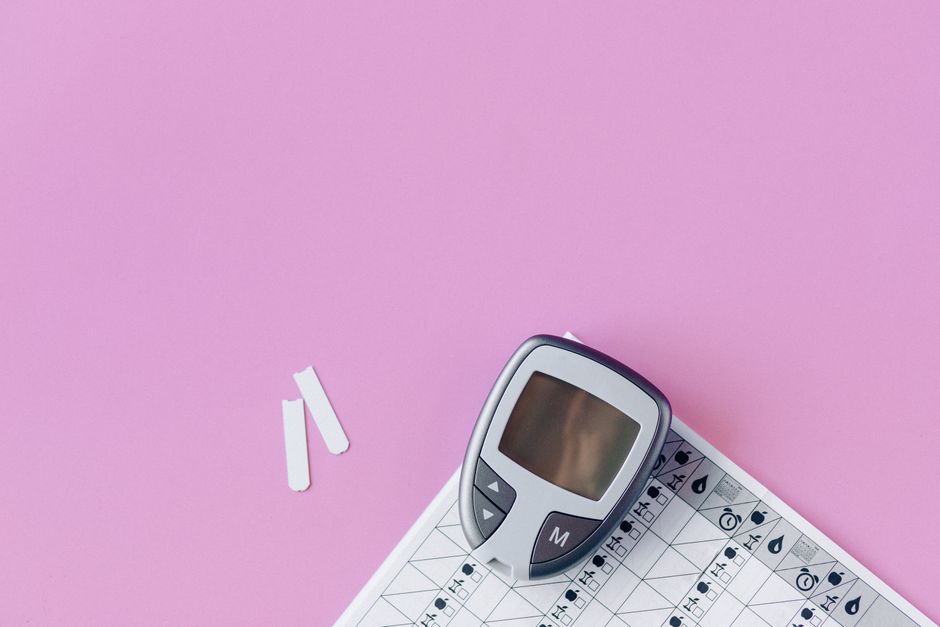
Checking your testosterone levels involves either a blood draw at a lab or a finger-prick test you do at home and mail in. Both methods measure the amount of testosterone in your blood, but lab tests are more accurate and reliable. If you want a clear answer for a doctor, go to a lab. If you just want a general idea for yourself, an at-home test can work but has limits.
Do at-home testosterone tests really work?
Yes and no. At-home tests measure testosterone from a finger-prick blood sample. You collect a few drops of blood on a card, let it dry, and mail it to a lab. The lab analyzes it and sends you results online.
Research shows these tests can measure total testosterone reasonably well. A 2019 study in the Journal of the Endocrine Society found that dried blood spot tests correlated well with standard blood draws for total testosterone. However, the same study noted that accuracy dropped for free testosterone.
The problem is that finger-prick samples are small. If your blood does not flow well or you squeeze your finger too hard, you can dilute the sample with tissue fluid. That can lower your reading. Also, most at-home tests only measure total testosterone. Your doctor usually cares more about free testosterone—the small fraction your body actually uses.
At-home tests are fine for screening. They are not fine for making medical decisions. If your result comes back low, you still need a lab test to confirm before any treatment.
What does a lab testosterone test involve?
A lab test is simple. A nurse or phlebotomist draws blood from a vein in your arm. The sample goes to a lab that uses a method called liquid chromatography-mass spectrometry. That is the gold standard for measuring testosterone.
Lab tests are more accurate than at-home tests because the sample is larger and the analysis is more precise. Labs can measure both total and free testosterone from one blood draw. They can also check other hormones that affect testosterone, like LH and FSH, which help explain why your levels might be low.
Most lab tests require a doctor’s order. You can also order your own lab test from companies like LabCorp or Quest Diagnostics without a doctor. You pay out of pocket, but you get the same test. You just have to go to a physical location for the blood draw.
Are home tests or lab tests more accurate?
Lab tests are more accurate. There is no debate here. The blood draw from a vein gives a clean, large sample. At-home tests use capillary blood from a finger prick, which is more prone to errors from squeezing, insufficient blood, or contamination.
| Factor | At-Home Test | Lab Test |
|---|---|---|
| Sample type | Finger-prick capillary blood | Venous blood draw |
| Accuracy | Moderate for total T, lower for free T | High for both total and free T |
| Measures free testosterone | Rarely | Yes |
| Doctor can use results | Usually not for diagnosis | Yes |
| Cost | $50–$150 | $50–$200 without insurance |
| Convenience | High (mail-in) | Low (need appointment) |
If you want numbers you can trust for a treatment decision, choose a lab. If you are just curious and do not mind some uncertainty, an at-home test is fine.





When should you test your testosterone?
Testosterone levels change throughout the day. They peak in the morning, usually between 7 AM and 10 AM. After that, levels drop. Testing later in the day can give falsely low results.
Doctors recommend testing between 7 AM and 10 AM. This is especially important for younger men. Current research suggests that after age 40, the daily drop is less dramatic, but morning testing is still standard.
You should also test on a day when you slept well, did not drink alcohol heavily the night before, and are not sick. Acute illness, lack of sleep, and alcohol can all temporarily lower testosterone. If you test after a bad night, your results might look low even though your baseline is normal.
If you are on testosterone therapy, timing matters differently. You typically test at the lowest point in your cycle, which is right before your next dose. Your doctor will tell you when to test based on what form of testosterone you use.
How to check your testosterone levels at home or a lab: step by step
If you choose an at-home test, order a kit from a reputable company. Look for one that uses a CLIA-certified lab. CLIA stands for Clinical Laboratory Improvement Amendments. It means the lab meets federal standards. Avoid tests that only use a saliva sample—saliva testosterone correlates poorly with blood levels.
Follow the kit instructions exactly. Wash your hands with warm water to increase blood flow. Wipe your finger with the alcohol pad. Prick the side of your fingertip, not the pad. Let the blood drop form naturally. Do not squeeze. Fill the collection card completely. Let it dry as directed. Mail it back the same day.
If you choose a lab test, you need a doctor’s order or you can self-order. For a self-order, go to the lab’s website, pick a testosterone test, pay, and get a form. Take that form to a lab draw station. The blood draw takes five minutes. Results come back in 1 to 3 days.
Either way, do not eat for 2 to 3 hours before the test unless the test says otherwise. Fasting is not always required for testosterone, but some labs prefer it. Check the instructions.
What do the numbers actually mean?
Normal total testosterone for adult men ranges from about 300 to 1,000 nanograms per deciliter (ng/dL). Most labs set their own reference ranges. Some use 250 to 900. Others use 300 to 1,100. The specific number matters less than whether you have symptoms.
Free testosterone normal range is roughly 5 to 20 ng/dL. Free testosterone is the portion not bound to proteins in your blood. It is the active form. Some men have normal total testosterone but low free testosterone. That is why doctors measure both.
Low testosterone is not a number alone. It is a number plus symptoms. Symptoms include low sex drive, erectile dysfunction, low energy, depressed mood, loss of muscle mass, and increased body fat. If you have a number below 300 but no symptoms, most guidelines say you do not need treatment. If you have symptoms and a number below 300, treatment might help.
One non-obvious point: many men with low testosterone do not actually have a testosterone problem. They have an obesity problem. Fat tissue converts testosterone into estrogen. Losing weight can raise your testosterone naturally. Some studies suggest that a 5 to 10 percent weight loss can increase testosterone by 50 to 100 ng/dL. That is as effective as some medications, without the side effects.
Frequently Asked Questions
Frequently Asked Questions
Can you test testosterone levels at home without a doctor?
Yes. You can order an at-home test kit online without a prescription. You collect your own blood sample and mail it to a lab.
How much does a testosterone lab test cost without insurance?
A lab test for total and free testosterone typically costs between $50 and $200 without insurance. Self-order labs offer the same test for similar prices.
Do you need to fast before a testosterone blood test?
Most labs do not require fasting for testosterone, but some prefer you avoid food for 2 to 3 hours. Morning testing between 7 AM and 10 AM is more important than fasting.
Can a home testosterone test diagnose low T?
No. At-home tests can suggest low levels, but only a lab test from a vein can confirm a diagnosis. Doctors will not prescribe treatment based on a home test alone.
