
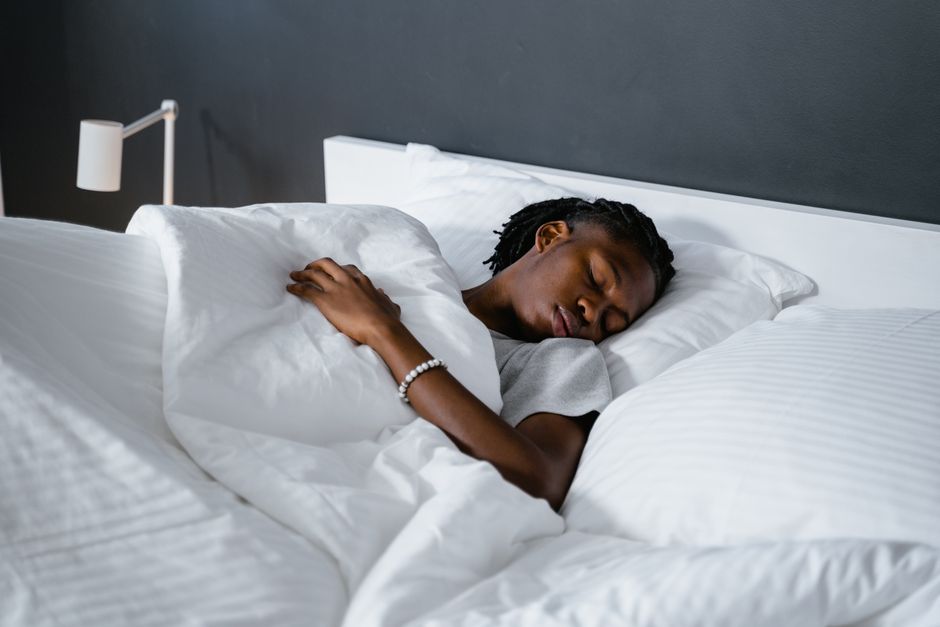
Waking up with cramps, bloating, and a restless night is common, but it is not something you have to accept as normal. The key to sleeping during your period without pain comes down to a combination of positioning, temperature control, and proactive pain management before you hit the pillow. By adjusting how you lie, what you wear, and when you take medication, you can significantly reduce nighttime discomfort and get the restorative sleep your body needs during menstruation.
Why Does Period Pain Get Worse at Night?
Period pain, or dysmenorrhea, feels worse at night for a few clear reasons. Your body produces prostaglandins, hormone-like chemicals that make the uterus contract to shed its lining. These contractions squeeze the blood vessels in the uterus, temporarily cutting off oxygen to the muscle tissue, which creates that cramping sensation.
At night, your body’s natural cortisol levels drop. Cortisol is an anti-inflammatory hormone, so when it falls, prostaglandin activity can become more noticeable. You also have fewer distractions at night. During the day, work, movement, and conversation pull your attention away from the discomfort. In a quiet, dark room, that same pain becomes the main focus.
Lying down can also change blood flow. When you are upright, gravity helps fluid move. When you lie flat, pelvic congestion can increase, adding pressure and aching to an already sensitive area.
What Is the Best Sleeping Position for Period Cramps?
The fetal position is consistently recommended by gynecologists for sleeping during a period. Lying on your side with your knees drawn toward your chest reduces tension on the abdominal muscles and takes pressure off the lower back.
Sleeping on your back can actually make cramps worse. In this position, the uterus presses directly against your spine and lower back muscles. If you prefer back sleeping, place a pillow under your knees. This tilts the pelvis slightly and reduces the stretch on the lower back.
Stomach sleeping is the least helpful position. It puts direct pressure on the uterus and forces your neck into an awkward twist. If you are a committed stomach sleeper, place a thin pillow under your hips. This reduces the angle of your lower back and lessens some of the pressure.
A body pillow or a regular pillow between your knees can also help. This keeps your hips aligned and prevents your top leg from pulling your pelvis out of a neutral position.
How Does Heat Therapy Work for Nighttime Pain?
Heat is one of the most effective non-medication tools for period cramps. A heating pad or hot water bottle applied to the lower abdomen works by increasing blood flow to the area. More blood flow means more oxygen reaches the uterine muscle, which helps it relax instead of contracting painfully.
Heat also stimulates sensory receptors in the skin. These signals travel to the spinal cord faster than pain signals do, effectively blocking some of the pain messages before they reach your brain. This is called the gate control theory of pain, and it is a well-established physiological mechanism.
For overnight use, a low-temperature heating pad with an automatic shut-off timer is safer than a traditional hot water bottle. Never fall asleep with a heating pad on a high setting. Burn risk is real, especially if you are sleeping deeply and cannot feel the heat building.
If you do not have a heating pad, a warm shower before bed can provide temporary relief. The heat relaxes the abdominal muscles and helps you feel sleepy as your body temperature drops afterward.




Which Pain Relievers Work Best Before Bed?
Nonsteroidal anti-inflammatory drugs, or NSAIDs, are the first-line treatment for period cramps. Ibuprofen (Advil, Motrin) and naproxen (Aleve) work by blocking prostaglandin production. Unlike acetaminophen, which only masks pain signals, NSAIDs address the root cause of the cramping.
The timing matters. NSAIDs work best when taken at the first sign of cramps, not after the pain becomes severe. For nighttime relief, take your dose about 30 minutes before bed with a small snack. Food helps prevent stomach irritation, which is the most common side effect.
Naproxen lasts longer than ibuprofen, typically providing relief for 8 to 12 hours. This makes it a practical choice for overnight coverage. Ibuprofen lasts about 4 to 6 hours, which means you may wake up in pain before morning.
Follow the dosing instructions on the package. Do not combine multiple NSAIDs, as this increases the risk of stomach bleeding and kidney strain. If you have a history of stomach ulcers, kidney disease, or are taking blood thinners, talk to a doctor before using NSAIDs.
How Should You Set Up Your Bed for Period Sleep?
Your sleep environment can make a meaningful difference. Start with temperature. Your core body temperature naturally drops before sleep, and this drop helps trigger drowsiness. Periods can cause hot flashes or night sweats in some women due to hormonal shifts, so keeping the room cool, around 65 to 68 degrees Fahrenheit, helps your body maintain that natural temperature decline.
Choose breathable pajamas. Cotton or bamboo fabrics allow air circulation. Avoid synthetic materials like polyester, which trap heat and moisture. If you tend to sweat at night, lay a towel down over your sheet. This is easier to remove and wash than changing the whole bed at 3 a.m.
Consider your mattress firmness. A medium-firm mattress generally provides better lower back support than a very soft one. If your mattress is too soft, place a firm pillow under your lower back for extra support while lying on your side.
Darkness matters more than you might think. Melatonin, the sleep hormone, is produced only in darkness. Even small amounts of light from a phone or alarm clock can suppress melatonin and make it harder to stay asleep. Use blackout curtains or a sleep mask if your room is not fully dark.
What Lifestyle Habits Reduce Cramps Before Bed?
Light movement in the evening can reduce nighttime cramping. Gentle stretching or a slow walk for 10 to 15 minutes improves pelvic blood flow and releases endorphins, your body’s natural painkillers. Avoid intense exercise close to bedtime, as it can raise cortisol and make it harder to fall asleep.
What you eat and drink in the evening affects cramp severity. Caffeine constricts blood vessels and can make cramps worse. Alcohol disrupts sleep architecture and can increase nighttime waking. Both are best avoided during the first few days of your period.
Salt causes water retention, which can worsen bloating and pelvic pressure. Skip salty snacks in the evening. Instead, foods rich in magnesium, like bananas, almonds, or spinach, may help relax muscles. Some research suggests magnesium supplementation can reduce cramp severity, though the evidence is moderate and results vary by individual.
Hydration is important, but time it carefully. Drink enough water during the day, then taper off in the two hours before bed. This reduces the chance of waking up needing to use the bathroom, which disrupts your sleep cycle.
When Should You See a Doctor About Period Pain?
Some period pain is normal. Severe pain that prevents you from functioning is not. If you regularly miss work, school, or social events because of cramps, or if over-the-counter medication does not help, see a gynecologist.
Pain that starts later in life, after years of easy periods, warrants a medical evaluation. The same applies to pain that worsens over several cycles or pain that is not relieved by standard doses of NSAIDs.
These symptoms can indicate underlying conditions like endometriosis, uterine fibroids, or adenomyosis. Endometriosis affects roughly 1 in 10 women of reproductive age, and it is frequently underdiagnosed. A doctor can perform an ultrasound or other imaging to identify structural causes of your pain.
Birth control pills, hormonal IUDs, or prescription-strength NSAIDs are common medical options if lifestyle changes and over-the-counter medication are not enough. These treatments are well-established and effective for many women, but they require a prescription and a discussion with your doctor about risks and benefits.
Are Menstrual Products Affecting Your Sleep?
Your choice of period product can influence how well you sleep. Tampons are generally safe for overnight use, but they should not be worn for more than 8 hours due to the risk of toxic shock syndrome, a rare but serious bacterial infection. If you sleep longer than 8 hours, a pad or menstrual cup is safer.
Menstrual cups can be worn for up to 12 hours and hold more fluid than a tampon. This makes them a practical option for overnight coverage. Some women find them comfortable, while others feel pressure against the bladder or cervix. If you are new to cups, test one during the day before trusting it overnight.
Period underwear is another option. Modern absorbent underwear holds several tampons’ worth of fluid and feels like regular underwear. This can be more comfortable than a pad, which may shift during sleep.
Whatever product you choose, change it right before bed. Starting the night with a fresh product reduces the chance of leakage and the discomfort of sitting in a saturated pad.
Frequently Asked Questions
Can I sleep with a heating pad on my stomach?
Yes, but only on a low setting with an automatic shut-off timer. Never fall asleep with a heating pad on high, as this creates a real burn risk.
Is it better to sleep on my side or back during my period?
Side sleeping, especially in the fetal position, is best because it reduces pressure on the uterus and lower back. Back sleeping can press the uterus against your spine and worsen cramps.
How long before bed should I take ibuprofen for cramps?
Take ibuprofen about 30 minutes before bed with a small snack. Naproxen lasts longer and may be better for overnight coverage, but follow package dosing instructions.
Why do my period cramps wake me up at night?
Your cortisol levels drop at night, which allows prostaglandin activity to increase. You also have fewer distractions, so the pain signals become more noticeable.
