
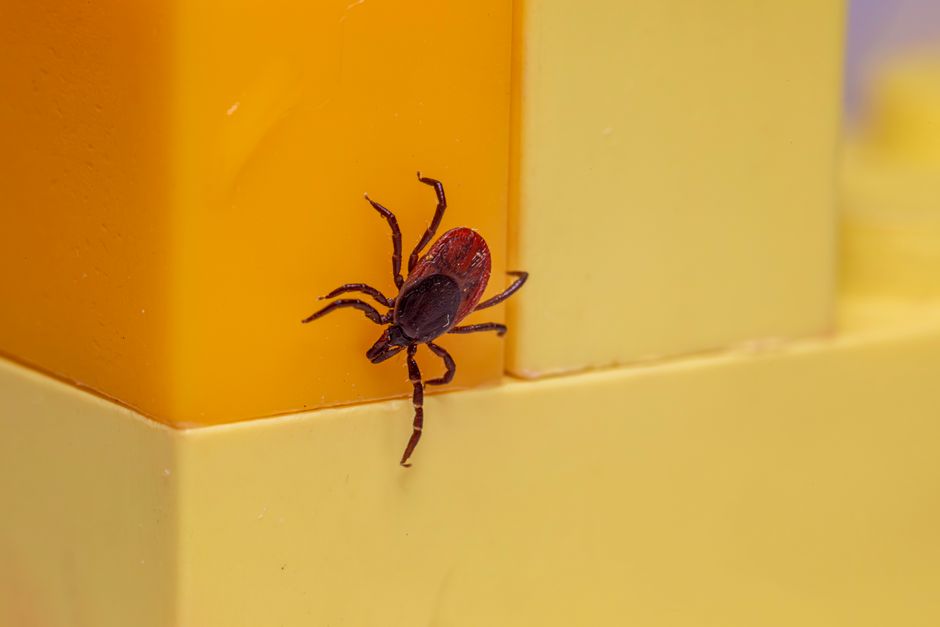
A tick bite can look alarming even when it is harmless. The redness, the small bump, the lingering itch — it is easy to wonder if something is wrong. The short answer is that a normal tick bite will have a small red spot that fades within a few days, while an infected tick bite will show expanding redness, warmth, swelling, or a rash that looks like a bullseye. If you develop flu-like symptoms, fever, or a rash that grows larger than two inches, that is not normal and you should see a doctor. The key difference is time and size — normal reactions shrink, while infections spread.
What Does a Normal Tick Bite Look Like?
A normal tick bite usually looks like a small red bump. It might be slightly raised and feel a little itchy or tender. This is your body reacting to the tick’s saliva, not an infection.
Most people will see redness that stays within a half-inch of the bite. It should start to fade within 24 to 48 hours. The bump itself may last a few days, but it should not get bigger. If you notice the red area shrinking each day, that is a good sign.
Some people have a stronger reaction. They might get a small blister or a bruise. This is still normal as long as it heals on its own. Research shows that up to 20 percent of people have a mild allergic reaction to tick bites that looks worse than a typical bite but still resolves without treatment.
How To Know If A Tick Bite Is Infected Or Normal: The Warning Signs
The most reliable way to tell if a tick bite is infected is to watch for expansion. A normal bite stays the same size or shrinks. An infected bite gets larger, often spreading outward from the center.
Look for these specific signs of infection:
- Redness that grows beyond two inches across
- A rash that looks like a bullseye — a red ring with a clear center
- Warmth or heat coming from the bite area
- Swelling that makes the skin feel tight or puffy
- Pus or fluid draining from the bite
- Red streaks moving away from the bite toward your body
If you have any of these signs, especially the bullseye rash, you may have Lyme disease or another tick-borne infection. The bullseye rash is not always present — research shows only about 70 to 80 percent of people with Lyme disease develop it. Some people just get a solid red patch that keeps expanding.
Fever, chills, muscle aches, or fatigue that show up within a few weeks of a tick bite are also red flags. These symptoms mean the infection may have spread beyond the skin.
When to Worry About a Tick Bite: Timing Matters
When the reaction happens tells you a lot. A normal tick bite reaction happens within hours. You see redness and itching almost right away. This is your immune system responding to the tick’s saliva, not an infection.
An infected bite usually takes days to show symptoms. The rash from Lyme disease typically appears 3 to 30 days after the bite. The average is about 7 days. If you notice a rash appearing a week or more after the tick bite, that is suspicious.
Other tick-borne diseases like Rocky Mountain spotted fever can cause a rash that starts on the wrists and ankles, not at the bite site. This is why you need to watch your whole body, not just the bite spot.
Current research suggests that the sooner you remove a tick, the lower your risk of infection. Ticks usually need to be attached for 24 to 48 hours before they can transmit Lyme disease. Checking your body daily during tick season can prevent most infections.




Normal Reaction vs. Infected Bite: A Quick Comparison
Here is a simple breakdown of the differences. Use this as a guide, not a diagnosis.
| Feature | Normal Tick Bite | Infected Tick Bite |
|---|---|---|
| Redness size | Less than 2 inches | More than 2 inches |
| Timing of redness | Within hours of bite | Days after bite |
| Redness change | Fades or stays same | Expands outward |
| Pain | Mild itch or tenderness | Warmth, pain, or throbbing |
| Flu-like symptoms | None | Fever, chills, fatigue, aches |
| Healing time | 3 to 7 days | Worsens or does not improve |
If your bite matches the right column in even one row, it is worth seeing a doctor. You do not need to match all the signs to have an infection.
What to Do If You Think a Tick Bite Is Infected
Do not wait to see if it gets worse on its own. If you suspect an infection, see a healthcare provider. They can examine the bite and decide if you need antibiotics.
For Lyme disease, early treatment with doxycycline is very effective. Studies show that a 10 to 21 day course of antibiotics cures most people. Waiting too long can make the infection harder to treat and lead to complications like joint pain or neurological symptoms.
While you wait for your appointment, do this:
- Clean the bite with soap and water
- Apply a cold compress to reduce swelling
- Draw a circle around the edge of the redness with a pen. Check it twice a day. If the redness crosses the line, it is expanding
- Take a photo of the bite each day. This helps track changes
- Do not put heat on the bite. Heat can make redness look worse than it is
Do not try to treat a tick-borne infection at home. Over-the-counter creams and antihistamines will not kill bacteria. Only prescription antibiotics work.
Common Misconceptions About Tick Bite Infections
There is a lot of bad information online about tick bites. Here are the most common myths and what the evidence actually shows.
Myth: If the tick was attached for less than 24 hours, you cannot get Lyme disease. This is mostly true but not guaranteed. Research shows that transmission is rare under 24 hours, but it can happen. Some studies have found cases where transmission occurred in as little as 16 hours. Do not assume you are safe just because you removed the tick quickly.
Myth: A tick bite always leaves a bullseye rash if you have Lyme disease. This is false. About 20 to 30 percent of people with Lyme disease never get the bullseye rash. They may have a solid red rash or no rash at all. Relying on the bullseye as your only warning sign is dangerous.
Myth: You can feel a tick bite when it happens. Tick bites are usually painless. Ticks numb the skin before they bite. Most people never feel the tick feeding. You need to check your body visually, not wait for a sensation.
Myth: If the bite looks normal after a week, you are in the clear. Some tick-borne diseases like babesiosis and anaplasmosis can cause symptoms weeks after the bite. The bite site may heal completely while the infection spreads internally. Watch for fever, fatigue, and body aches even if the bite looks fine.
Frequently Asked Questions
How long after a tick bite does infection show up?
Lyme disease rash usually appears 3 to 30 days after the bite, with most cases showing up around day 7. Other tick-borne infections can take 5 to 14 days to cause symptoms.
Can a tick bite be infected without a rash?
Yes, some tick-borne infections cause fever and body aches without any rash. About 20 to 30 percent of Lyme disease cases have no rash at all.
Should I take antibiotics after every tick bite?
No, antibiotics are not recommended after every tick bite. Doctors usually only prescribe them if you live in a high-risk area and the tick was attached for more than 36 hours.
What does an infected tick bite look like after 3 days?
After 3 days, an infected bite may show expanding redness larger than a quarter, warmth, or a bullseye pattern. A normal bite at 3 days should be fading, not growing.
