
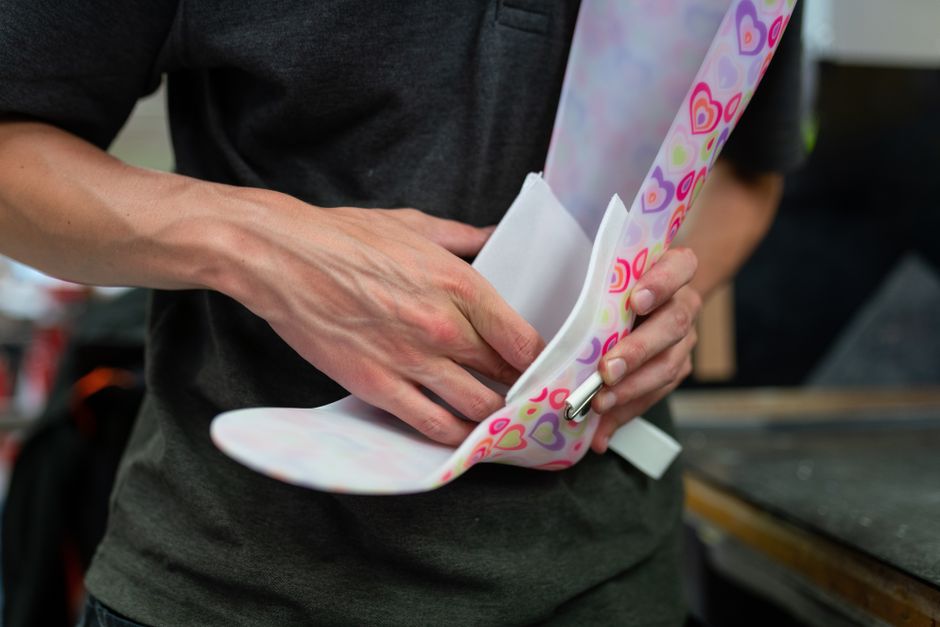
If your orthotic top cover is worn, peeling, or smells, you can replace it at home in about 20 minutes with basic tools. The process involves removing the old cover, cleaning the orthotic shell, cutting a new cover to size, and applying it with spray adhesive or heat. Most people can do this themselves without special training, though custom orthotics with complex shapes may need a professional for best results.
What Tools Do You Need to Replace an Orthotic Top Cover?
You do not need many tools. Most are probably in your house already. Here is what research and user experience suggest works best:
- New top cover material — leather, synthetic leather, or EVA foam. Buy pre-cut orthotic covers or a sheet you cut yourself.
- Spray adhesive — 3M Super 77 or similar. Avoid rubber cement or super glue. They stiffen the cover and can crack.
- Scissors — sharp enough to cut the new material cleanly. Dull scissors leave jagged edges that peel faster.
- Rubbing alcohol — 70% or higher. Used to clean the orthotic shell before applying the new cover.
- Heat gun or hair dryer — helps the adhesive bond and softens the material for a tighter fit.
- Utility knife or razor blade — for trimming excess material after the cover is on.
Some people report using double-sided tape instead of spray adhesive. This is widely claimed to work in a pinch, but strong evidence is limited. Tape tends to fail faster, especially in humid conditions or with heavy use.
How To Remove the Old Orthotic Top Cover Safely
Start by peeling off the old cover. Grip a corner or edge and pull slowly. If the adhesive is strong, use a hair dryer on low heat for 30 seconds to soften it. Do not yank. Yanking can tear the foam layer underneath your orthotic shell.
If the old cover leaves sticky residue, rub it off with a cloth dipped in rubbing alcohol. Avoid acetone or nail polish remover. These chemicals can dissolve the orthotic shell material, especially if your orthotics are made from polypropylene or carbon fiber. Some studies suggest that solvent damage to orthotic shells reduces their structural integrity over time.
Once the shell is bare, inspect it. Look for cracks, deep scratches, or areas where the foam base has compressed permanently. If the shell itself is damaged, replacing just the top cover will not fix the problem. You may need new orthotics entirely.
How To Cut and Fit the New Orthotic Top Cover
Place your orthotic on the new cover material. Trace around it with a pen, leaving about half an inch of extra material on all sides. Cut along your traced line. This extra material is important — it lets you wrap the cover around the edges of the orthotic for a clean finish.
For most people, a single layer of 1/16-inch EVA foam or 1.5-millimeter leather works well. Thicker material can make your shoe fit tighter. If your orthotics already take up significant volume in your shoes, a thinner cover is better. Current research suggests that even a 2-millimeter increase in orthotic thickness can change foot pressure distribution enough to cause discomfort in some users.
Test fit the cut cover before applying adhesive. Lay it dry over the orthotic. It should cover the entire top surface and extend past the edges. Trim any spots that overlap too much. This dry test saves you from messy mistakes later.




How To Apply Adhesive and Attach the New Cover
Work in a well-ventilated area. Spray adhesive fumes are strong. Some people report headaches or dizziness from using spray adhesives indoors without ventilation. Open a window or work outside if possible.
Spray a light, even coat of adhesive on both the orthotic shell and the back of the new cover material. Wait 30 to 60 seconds for the adhesive to become tacky. Press the cover onto the orthotic starting from the center and working outward. This pushes air bubbles to the edges rather than trapping them.
Once the cover is down, flip the orthotic over. Fold the excess material over the edges and press firmly. Use your fingers or a small roller to ensure good contact. If the material does not want to stick at the edges, apply heat with a hair dryer for 10 to 15 seconds and press again. Heat reactivates most spray adhesives.
After the adhesive sets — about 10 minutes — trim any visible excess with a utility knife. Cut flush to the edge of the orthotic. Do not cut into the orthotic shell itself. A shallow cut is safer than a deep one.
How Long Does a DIY Orthotic Cover Replacement Last?
This depends on the material you choose and how much you use your orthotics. A well-applied leather or synthetic leather cover typically lasts 6 to 12 months with daily use. EVA foam covers last about 3 to 6 months before they begin to compress or peel at the edges.
| Cover Material | Typical Lifespan | Best For |
|---|---|---|
| Leather or synthetic leather | 6 to 12 months | Daily wear, dress shoes, moderate activity |
| EVA foam (1/16 inch) | 3 to 6 months | Light use, sports orthotics, cost-sensitive |
| Pre-cut adhesive covers | 2 to 4 months | Quick fixes, temporary use, travel |
If you notice peeling at the edges within the first month, the adhesive likely did not bond well. This can happen if the orthotic shell was not fully cleaned, or if you applied the cover in a humid environment. Some people report that wiping the shell with alcohol again and reapplying heat fixes minor peeling without removing the whole cover.
Common Mistakes When Replacing Orthotic Top Covers
The most common mistake is using too much adhesive. Thick adhesive layers dry stiff and create a hard surface that can irritate your foot. A thin, even spray is all you need. If you can see puddles of adhesive, you used too much.
Another mistake is skipping the cleaning step. Oils from your skin and dirt from your shoes build up on the orthotic shell over time. Adhesive will not bond to a dirty surface. Even if the shell looks clean, wipe it with alcohol anyway. This takes 30 seconds and prevents weeks of frustration.
Some people try to stretch the cover material to fit a complex orthotic shape. Stretching leather or EVA foam thin spots it. Those thin spots wear out faster and may tear. If your orthotic has deep curves or a high arch, it is better to cut small darts or slits in the excess material so it lays flat without tension. Overlap the cut edges slightly when you fold them under.
Using the wrong adhesive is also common. Contact cement meant for crafts or model making often contains solvents that weaken orthotic shell materials. Stick with spray adhesives labeled for foam, fabric, or leather. As of 2026, 3M Super 77 and DAP Weldwood Landau Top Contact Cement remain the most commonly recommended options by podiatry forums and orthotic manufacturers.
When Should You Not Replace the Top Cover Yourself?
There are situations where a professional replacement makes more sense. If your orthotics are made from carbon fiber, the shell can be brittle. Applying pressure to fold edges or trim material can crack it. Carbon fiber orthotics are also expensive to replace if damaged.
If your orthotics have a built-in metatarsal pad, heel cup, or other corrective elements molded into the top surface, a DIY cover may alter their shape. Even a thin layer of new material can change how those elements contact your foot. Some studies suggest that a 1-millimeter change in orthotic surface contour can shift pressure points enough to cause new pain or discomfort.
If you have tried replacing the cover twice and it peeled off both times within a month, stop. The issue is likely not the cover — it may be the adhesive, the shell material, or your application technique. A podiatrist or orthotic technician can evaluate the situation and suggest a better material or method.
Frequently Asked Questions
Can I use super glue to attach an orthotic top cover?
Super glue dries hard and brittle, which makes the cover stiff and likely to crack at the edges. Spray adhesive designed for fabric or foam works much better.
How do I know what size cover material to buy?
Measure the length and width of your orthotic at its widest points. Buy a cover sheet at least one inch larger in both directions so you have enough material to wrap the edges.
Will replacing the cover change how my orthotics feel?
A thin cover usually does not change the feel noticeably. A thick cover can make your shoes tighter and may change pressure distribution slightly.
Can I wash the old cover instead of replacing it?
Washing breaks down the adhesive and can warp the cover material. Replacing is more effective and lasts longer than washing.
