
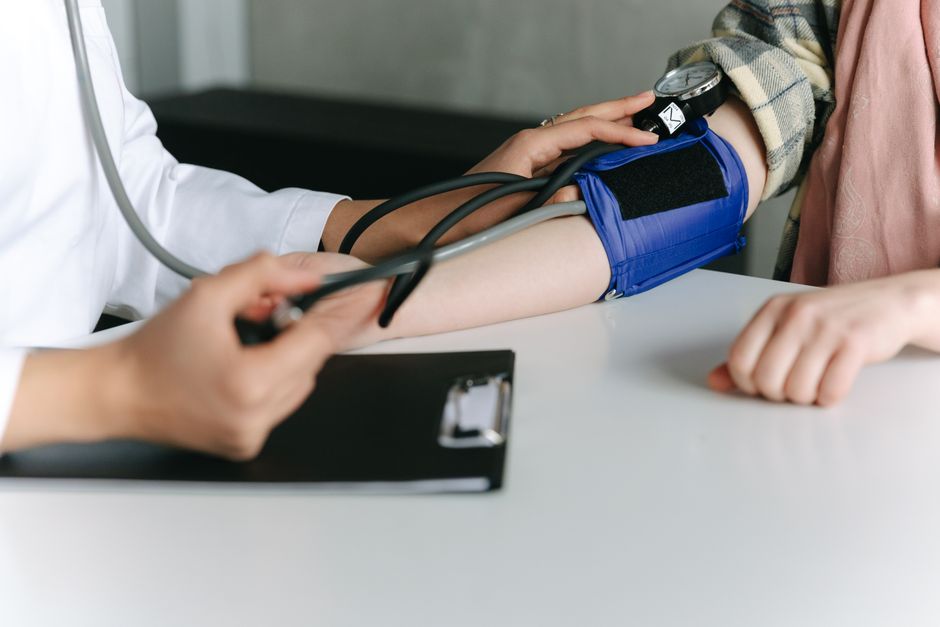
Lowering your blood pressure starts with two things: reducing sodium and increasing physical activity. Research shows that cutting salt intake to under 1,500 milligrams per day can lower systolic blood pressure by 5 to 10 points. Adding 30 minutes of moderate exercise most days can drop it another 5 to 8 points. These two steps alone work for most people, and they work fast—often within two to four weeks.
How Does Sodium Affect Blood Pressure?
Sodium makes your body hold onto water. More water in your blood vessels means more pressure against the walls. The American Heart Association states that 9 out of 10 Americans eat too much sodium. Most of it comes from packaged foods, not the salt shaker.
Processed meats, canned soups, and frozen dinners are the biggest sources. A single cup of canned soup can have 800 to 1,000 milligrams of sodium. That is more than half the daily limit for someone with high blood pressure. Reading labels matters. Look for items with 140 milligrams or less per serving.
Some people are salt-sensitive. Their blood pressure rises sharply after eating salty foods. If you have high blood pressure, you are likely salt-sensitive. The simplest test is to cut sodium for one week and check your numbers. A drop of 5 points or more confirms sensitivity.
What Type of Exercise Lowers Blood Pressure the Most?
Aerobic exercise works best. Walking, cycling, swimming, and jogging all lower blood pressure effectively. The CDC recommends 150 minutes of moderate aerobic activity per week. That breaks down to 30 minutes, five days a week.
Isometric exercises also show strong results. A 2023 review in the British Journal of Sports Medicine found that wall sits and planks lowered blood pressure more than traditional cardio. The reason is muscle tension and release during isometric holds helps blood vessels relax afterward. Do four two-minute wall sits with two-minute rests between them, three times per week.
Weight lifting helps too but not as much as cardio. Resistance training lowers blood pressure by about 3 to 4 points on average. Combine both types for the best results. Start slow if you are new to exercise. Even 10-minute walks after meals help.
How To Make Blood Pressure Go Down With Diet Changes
The DASH diet is the most studied eating plan for blood pressure. DASH stands for Dietary Approaches to Stop Hypertension. Research published in the New England Journal of Medicine found it lowered systolic blood pressure by 11 points in people with hypertension. That is as much as some medications.
The diet focuses on fruits, vegetables, whole grains, and low-fat dairy. It limits red meat, sugar, and saturated fat. A typical day includes four to five servings of vegetables, four to five servings of fruit, and two to three servings of low-fat dairy. Potassium-rich foods like bananas, potatoes, and spinach are especially helpful because potassium counteracts sodium.
Potassium helps your kidneys flush out extra sodium. Most adults need 3,500 to 4,700 milligrams per day. One baked potato with skin has about 900 milligrams. A banana has 400. A cup of cooked spinach has 800. Most people do not get enough. Adding these foods is often easier than cutting sodium alone.
Here is a quick comparison of common diet changes and their expected impact:
| Diet Change | Expected Drop in Systolic BP | Time to See Results |
|---|---|---|
| Reduce sodium to under 1,500 mg/day | 5 to 10 points | 2 to 4 weeks |
| Follow DASH diet strictly | 8 to 11 points | 2 weeks |
| Increase potassium to 4,700 mg/day | 4 to 5 points | 1 to 2 weeks |
| Cut alcohol to 1 drink or less per day | 2 to 4 points | 1 to 2 weeks |


Does Stress Really Cause High Blood Pressure?
Stress itself does not cause permanent high blood pressure. But it causes temporary spikes. When you are stressed, your body releases hormones like cortisol and adrenaline. These make your heart beat faster and narrow your blood vessels. Your blood pressure rises during the stressful event and usually returns to normal afterward.
The problem is repeated stress. If you are stressed all day, your blood pressure stays elevated for long periods. Over months and years, this can damage your arteries and lead to chronic hypertension. A 2021 study in Hypertension found that people with high job strain had a 22 percent higher risk of developing high blood pressure.
Deep breathing works for acute stress. Inhale for four seconds, hold for four, exhale for four. Do this for five minutes. It activates the vagus nerve and lowers heart rate. Research shows it can drop blood pressure by 5 to 10 points during the exercise. The effect is temporary but useful during stressful moments.
Meditation and mindfulness have weaker evidence for long-term blood pressure control. Some studies show small drops of 2 to 3 points. Others show no effect. The evidence is mixed. If meditation helps you feel calmer, it is worth doing. But do not rely on it as your main strategy.
What About Supplements and Natural Remedies?
This is where most health content overclaims. The honest answer is that few supplements have strong evidence for lowering blood pressure. Here is what the research actually shows:
- Potassium supplements can lower blood pressure by 3 to 5 points, but only if you are deficient. Most people can get enough from food. Too much potassium from supplements can be dangerous, especially if you have kidney problems.
- Magnesium has weak evidence. A 2016 meta-analysis in Nutrients found a small drop of about 2 points. The effect is not consistent across studies.
- Coenzyme Q10 (CoQ10) showed promise in small studies but larger reviews found no significant effect. The evidence is not strong enough to recommend it.
- Garlic supplements may lower blood pressure by 2 to 3 points. A 2020 review in Experimental and Therapeutic Medicine found modest effects. Fresh garlic has not been studied as well.
- Hibiscus tea has some evidence. A 2022 study in Phytomedicine found it lowered systolic blood pressure by about 7 points in people with mild hypertension. The effect lasted only while drinking it regularly.
No supplement replaces diet and exercise. If you want to try one, pick potassium from food first. Talk to your doctor before starting any supplement, especially if you take blood pressure medication. Some supplements can interfere with drugs.
Common Misconceptions About Lowering Blood Pressure
One myth is that cutting caffeine always helps. Caffeine causes a temporary spike in blood pressure, but regular coffee drinkers build tolerance. A 2017 study in the Journal of the American Heart Association found no link between long-term coffee drinking and higher blood pressure. If you drink coffee daily, stopping will not lower your numbers much.
Another myth is that losing weight is the only way. Weight loss helps a lot. Dropping 5 to 10 pounds can lower blood pressure by 3 to 5 points. But you can lower your blood pressure without losing a single pound by changing what you eat and how active you are. Do not let weight loss pressure stop you from making other changes.
A third myth is that you need to cut all fat. The DASH diet includes low-fat dairy and healthy fats from nuts and fish. Saturated fat is the problem, not fat in general. Eating healthy fats like those in avocados and olive oil can actually help blood vessel function.
Some people believe that if medication does not work, nothing will. That is false. Lifestyle changes can work even when medication fails. A 2018 study in JAMA found that intensive lifestyle intervention lowered blood pressure in people whose medication was not enough. Do not give up on lifestyle changes just because you are on pills.
Frequently Asked Questions
How fast can I lower my blood pressure naturally?
Most people see a drop within two to four weeks of cutting sodium and exercising. Some changes like deep breathing lower it immediately but only temporarily.
Can drinking water lower blood pressure?
Water does not directly lower blood pressure. But dehydration can raise it because your body holds onto sodium. Staying hydrated helps your kidneys work properly.
Is it safe to lower blood pressure quickly?
Dropping blood pressure too fast can cause dizziness and fainting. Aim for a gradual drop of 5 to 10 points per month. Work with your doctor if you are on medication.
Does apple cider vinegar lower blood pressure?
There is no clinical evidence that apple cider vinegar lowers blood pressure in humans. Claims are based on animal studies that do not apply to people.
