

Your blood pressure changes constantly throughout the day, and that is completely normal. It rises when you exercise, feel stressed, or drink caffeine and falls when you sleep or relax. The body adjusts blood pressure second by second to meet your needs. But when readings swing wildly without a clear reason, it can signal an underlying health issue worth understanding.
What causes normal blood pressure changes during the day?
Blood pressure is not a fixed number. It is a living measurement that responds to what you do and how you feel. The American Heart Association explains that blood pressure naturally dips during sleep and rises upon waking. This is called the morning surge.
Physical activity is the most common cause of temporary increases. Walking up stairs, carrying groceries, or even standing up from a chair can raise your systolic pressure by 10 to 20 points. This is your heart working harder to pump blood where it is needed. It should return to baseline within minutes of resting.
Stress also plays a major role. When you are anxious or angry, your body releases hormones like adrenaline that tighten blood vessels and speed up your heart rate. Research published in Hypertension found that mental stress can raise systolic blood pressure by 15 to 30 points in some people.
Food and drink matter too. Caffeine can cause a short-term spike that lasts about 30 minutes to two hours. A salty meal can raise blood pressure for several hours, especially if you are salt-sensitive. Alcohol can have the opposite effect initially, lowering it, but heavy drinking can drive it up later.
Why does your blood pressure go up and down with medications?
Blood pressure medications are designed to keep readings steady, but they do not always work perfectly throughout the day. Some drugs wear off before your next dose, causing a rebound effect where pressure climbs back up. This is especially true for short-acting medications taken only once daily.
Timing matters more than most people realize. Taking medication at night instead of morning may help prevent morning surges. A large study called the Hygia Chronotherapy Trial, published in the European Heart Journal, found that nighttime dosing reduced cardiovascular events compared to morning dosing. However, this finding is still debated, and some experts advise sticking with your doctor’s recommendation.
Missed doses are another cause of fluctuation. Skipping even one dose can allow blood pressure to rise above target levels. Setting a daily reminder or using a pill organizer can help maintain consistency.
Some over-the-counter drugs also interfere. Nonsteroidal anti-inflammatory drugs like ibuprofen can raise blood pressure by several points. Decongestants found in cold medicines can cause significant spikes. Always check with a pharmacist before combining these with blood pressure medication.
What medical conditions cause blood pressure to swing?
Several health conditions can make blood pressure unstable. One common cause is white coat hypertension, where readings are high in a medical setting but normal at home. This affects up to 30 percent of people, according to the American Heart Association. It is not harmless. Some studies suggest it may be an early sign of sustained hypertension.
Masked hypertension is the opposite. Readings are normal in the doctor’s office but high at home. This can be dangerous because it goes undetected. Home monitoring is the only reliable way to catch it.
Autonomic nervous system disorders can cause dramatic swings. Conditions like multiple system atrophy or Parkinson’s disease can damage the nerves that regulate blood pressure. This can lead to orthostatic hypotension, where pressure drops sharply upon standing, followed by a rebound spike when lying down.
Sleep apnea is another major cause. The CDC reports that about 30 percent of people with high blood pressure also have sleep apnea. Repeated breathing pauses during sleep cause oxygen levels to drop, which triggers the body to release stress hormones. This can cause blood pressure to spike multiple times each night.

How can you track your own blood pressure accurately?
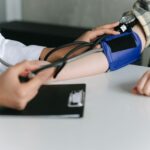
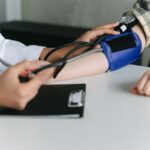
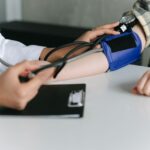
Home monitoring is the best way to understand your blood pressure patterns. A single reading at the doctor’s office tells you very little about what is happening the rest of the day. The American Heart Association recommends taking two readings in the morning before eating or taking medication and two readings in the evening at least one hour after dinner.
Use a validated upper arm monitor, not a wrist or finger device. Sit quietly for five minutes before measuring. Keep both feet flat on the floor and your arm supported at heart level. Do not talk during the measurement.
Record every reading in a log or app. Bring this log to your doctor appointments. A pattern of high readings at certain times of day can help your doctor adjust your treatment plan.
Ambulatory blood pressure monitoring is the gold standard for diagnosing fluctuating pressure. This involves wearing a device that takes readings every 15 to 30 minutes over 24 hours. It captures your full daily pattern, including nighttime dips and morning surges. Many insurance plans cover it if your doctor orders it.
What lifestyle factors can stabilize blood pressure swings?
Salt reduction is one of the most effective steps. The average American consumes about 3,400 milligrams of sodium per day, far above the recommended 2,300 milligram limit. Cutting back by even 1,000 milligrams can lower systolic pressure by 5 to 6 points, according to the CDC.
Potassium helps counterbalance sodium. Foods like bananas, potatoes, spinach, and beans are rich in potassium. The DASH diet, which emphasizes fruits, vegetables, and low-fat dairy, has been shown in multiple studies to reduce blood pressure significantly.
Stress management techniques can blunt the spikes caused by emotional triggers. Deep breathing exercises, meditation, and even a short walk can lower pressure within minutes. A study in the Journal of the American Heart Association found that slow-paced breathing at six breaths per minute reduced blood pressure in people with hypertension.
Sleep quality is often overlooked. Poor sleep raises baseline blood pressure and makes it more reactive to stress. Aim for seven to nine hours per night. Treating underlying sleep apnea with a CPAP machine can dramatically reduce nighttime blood pressure spikes.
What are common misconceptions about fluctuating blood pressure?
Many people believe that a single high reading means they have hypertension. This is not true. Blood pressure varies so much that doctors diagnose hypertension only after multiple high readings over several visits or with 24-hour monitoring. One high reading is just a data point, not a diagnosis.
Another myth is that lower is always better. Extremely low blood pressure can cause dizziness, fainting, and falls, especially in older adults. The goal is not the lowest possible number but a stable reading in the normal range, typically below 120/80.
Some people think home monitors are unreliable. In reality, validated home monitors are highly accurate when used correctly. The problem is user error, not the device itself. Improper cuff size, wrong arm position, and talking during measurement are common mistakes that produce false readings.
A widespread claim on social media is that blood pressure swings are caused by dehydration. While severe dehydration can lower blood pressure, mild dehydration has little effect. Drinking extra water will not stabilize blood pressure swings in most people. This is a myth that has been repeated without strong evidence.
| Cause | Typical Change | Duration |
|---|---|---|
| Exercise | +10 to +30 systolic | Minutes after rest |
| Caffeine | +5 to +15 systolic | 30 minutes to 2 hours |
| High-salt meal | +5 to +10 systolic | Several hours |
| Stress or anxiety | +15 to +30 systolic | Minutes to hours |
| Missed medication | +10 to +20 systolic | Until next dose |
| Sleep apnea event | +20 to +40 systolic | During apnea episode |
When should you be concerned about blood pressure swings?
Occasional fluctuations are normal, but certain patterns warrant medical attention. If your readings consistently vary by more than 20 points between morning and evening, talk to your doctor. This level of variability has been linked to increased risk of stroke and heart damage, even if your average pressure is controlled.
Sudden severe spikes above 180/120 require immediate medical care. This is called a hypertensive crisis. Symptoms like chest pain, headache, shortness of breath, or vision changes make it an emergency. Call 911. Do not wait to see if it passes.
Frequent dizzy spells or fainting when standing up may indicate orthostatic hypotension. This is especially common in older adults and people taking certain blood pressure medications. Your doctor may need to adjust your dosage or timing.
If you notice a pattern of high readings only at certain times, such as every evening or every Monday morning, bring this to your doctor’s attention. These patterns can reveal triggers that are easier to address than you might think.
Frequently Asked Questions
Can anxiety cause blood pressure to go up and down?
Yes, anxiety triggers the release of stress hormones that temporarily raise blood pressure. Once the anxiety passes, pressure usually returns to normal.
Is it normal for blood pressure to change within minutes?
Yes, blood pressure changes constantly in response to movement, stress, and even talking. Small fluctuations within a few minutes are completely normal.
How much does blood pressure normally vary during the day?
Blood pressure can vary by 10 to 20 points systolic throughout a normal day. Larger swings may indicate an underlying issue worth discussing with a doctor.
Does drinking water help stabilize blood pressure swings?
Drinking water helps only if you are dehydrated. For most people, extra water does not prevent normal blood pressure fluctuations.
