
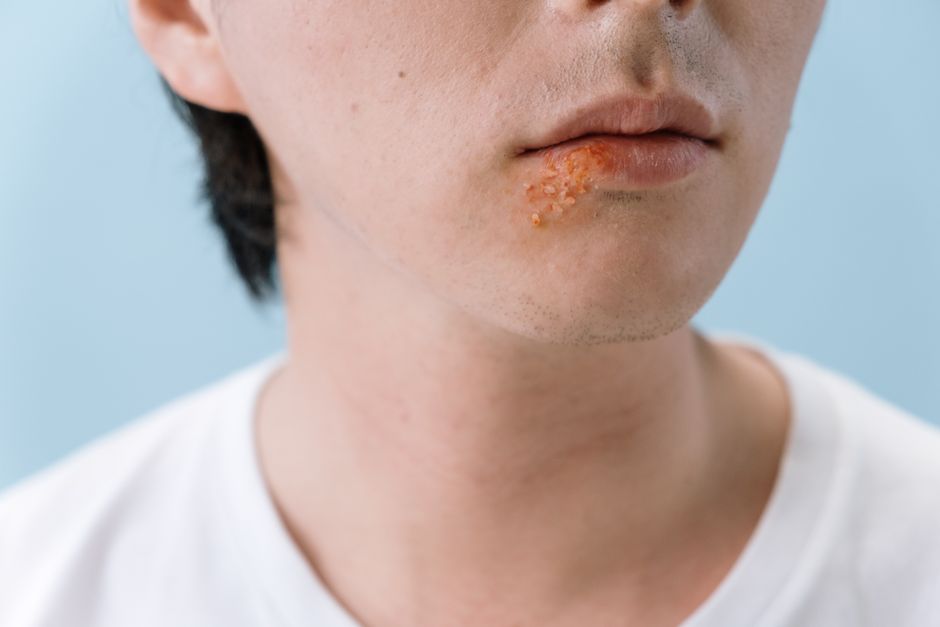
A canker sore is a shallow, painful ulcer inside your mouth. It is not the same as a cold sore, which appears on the outside of your lips. Most canker sores heal on their own within 7 to 14 days. To make one heal faster, you need to reduce irritation, manage pain, and use proven treatments. Over-the-counter gels and prescription mouthwashes can shorten the healing time, while avoiding certain foods and using a soft toothbrush can prevent the sore from getting worse.
What Causes a Canker Sore to Appear?
Doctors do not know the exact cause of canker sores, but they are linked to several clear triggers. Minor injury to the mouth is one of the most common. Biting your cheek, brushing too hard, or eating something sharp like a potato chip can start one.
Stress is another well-documented trigger. Some research suggests that emotional stress or anxiety can make canker sores more likely. Certain foods also play a role. Acidic foods like tomatoes, citrus fruits, and pineapple can irritate the lining of the mouth and trigger a sore in some people.
Nutritional deficiencies may be involved. Studies have found links between canker sores and low levels of vitamin B12, folate, iron, and zinc. Hormonal changes, particularly in women during their menstrual cycle, have also been associated with outbreaks. Some people simply inherit a tendency to get them.
How Long Does a Canker Sore Normally Last?
A standard canker sore, called a minor aphthous ulcer, lasts about 7 to 14 days. The pain is usually worst in the first 3 to 4 days. After that, the sore begins to shrink and the pain fades.
Less common types last longer. Major canker sores are larger and deeper. They can take up to six weeks to heal and often leave scar tissue. Herpetiform canker sores are small but appear in clusters of dozens at a time. They heal within 1 to 2 weeks.
If a sore lasts longer than two weeks without improvement, see a doctor or dentist. Persistent sores can sometimes indicate an underlying condition that needs attention.
What Actually Speeds Up Healing?
Time is the main healer for canker sores. But several treatments have evidence behind them for reducing pain and shortening the duration.
Over-the-counter topical gels and creams are the first line of defense. Products containing benzocaine, like Orajel, or lidocaine numb the area and make eating and talking more comfortable. These do not necessarily make the sore heal faster, but they make the healing period bearable.
Mouth rinses can genuinely shorten healing time. A saltwater rinse is the simplest option. Mix half a teaspoon of salt in a cup of warm water and swish it around your mouth for 30 seconds. Do this several times a day. The salt helps keep the area clean and reduces inflammation.
Hydrogen peroxide rinses are also commonly recommended. Dilute a 3% hydrogen peroxide solution with an equal part of water. Swish and spit. Do not swallow it. This cleans the sore and can speed healing.
Prescription treatments are reserved for severe or persistent cases. A doctor may prescribe a mouthwash containing dexamethasone or lidocaine. These reduce inflammation directly. In stubborn cases, a doctor might apply a topical steroid paste to the sore.




What Foods and Habits Make It Worse?
Avoiding irritants is just as important as using treatments. Acidic and spicy foods will burn and inflame the sore.
- Citrus fruits like oranges, lemons, and grapefruit
- Tomatoes and tomato-based sauces
- Spicy foods with chili or hot pepper
- Salty or crunchy snacks like pretzels and chips
- Very hot beverages and soups
Brushing your teeth requires care. Use a soft-bristled toothbrush to avoid scraping the sore. Be gentle around the area. Toothpaste containing sodium lauryl sulfate may irritate some people. Some research suggests that switching to a toothpaste without this ingredient can reduce the frequency of canker sores for people who get them often.
When Should You See a Doctor?
Most canker sores do not need medical attention. But certain signs should prompt a visit.
See a doctor or dentist if the sore lasts more than two weeks. Get checked if the sore is unusually large, spreads, or is accompanied by a fever. Difficulty drinking fluids due to pain is also a reason to seek care. If you get canker sores several times a year and they interfere with eating, a doctor can discuss preventive treatments.
Rarely, a mouth sore that will not heal is a sign of something more serious, including oral cancer. This is uncommon, but it is why persistent sores deserve a professional look.
How To Make A Canker Sore Heal Faster What Works
The fastest reliable approach combines three things: numbing the pain, keeping the area clean, and avoiding irritants.
Use an over-the-counter benzocaine gel for immediate pain relief. Rinse with warm salt water two to three times daily. Avoid acidic foods until the sore closes. If the pain is severe or the sore is large, ask a doctor about a prescription mouth rinse.
There is no single product that will make a canker sore disappear overnight. The body needs time to repair the tissue. What you can do is remove the obstacles to healing and manage the pain while it happens.
Are There Natural Remedies That Work?
Several natural options are commonly discussed, but the evidence is limited.
Honey has some research behind it. A few small studies have found that applying honey to canker sores reduces pain and may speed healing. Honey has natural antibacterial properties. Manuka honey is often recommended, but regular raw honey may work similarly.
Aloe vera gel is another option. It is anti-inflammatory and soothing. Some people apply it directly to the sore. Clinical evidence specifically for canker sores is thin, but it is unlikely to cause harm.
Chamomile tea bags are sometimes used as a compress. Chamomile has anti-inflammatory properties. Place a cooled, damp tea bag on the sore for a few minutes. Evidence for this is anecdotal rather than clinical.
Be cautious with unproven remedies. Some people suggest using alum or placing aspirin directly on the sore. Aspirin applied to the mouth can cause a chemical burn and should never be done. Alum can be very painful and may damage tissue. Stick to gentle, well-tolerated options.
Can You Prevent Canker Sores From Coming Back?
For people who get canker sores repeatedly, prevention is about identifying personal triggers. Keep a food diary to see if outbreaks follow certain meals. If you notice a pattern with citrus or spicy foods, limit them.
If you suspect a nutritional deficiency, ask your doctor for a blood test. Correcting low vitamin B12, folate, iron, or zinc levels may reduce how often you get sores. Do not take high-dose supplements without testing, as this can cause other problems.
Managing stress is harder to measure but may help. Regular exercise, adequate sleep, and relaxation techniques have not been proven to prevent canker sores specifically, but they are good for overall health.
Some dentists recommend switching to a toothpaste without sodium lauryl sulfate for a trial period. This is a low-risk change that helps some people. The evidence is mixed, but it is worth trying if you get frequent outbreaks.
Frequently Asked Questions
Does salt water actually heal canker sores faster?
Yes, salt water rinses help by keeping the sore clean and reducing inflammation. They do not cure the sore instantly, but they can shorten healing time when used several times daily.
Can I put toothpaste on a canker sore?
No, do not put toothpaste directly on a canker sore. Toothpaste can irritate the tissue and cause more pain. Use a soft toothbrush and a gentle toothpaste to brush around the area instead.
Is a canker sore a sign of a serious illness?
Most canker sores are harmless and heal on their own. Recurrent or persistent sores can be linked to conditions like inflammatory bowel disease or vitamin deficiencies, so see a doctor if they keep coming back.
How long is too long for a canker sore to last?
Any sore that lasts more than two weeks without improvement should be examined by a doctor or dentist. Most minor canker sores heal within 14 days.
