
Shin splints hurt. That sharp or dull pain along the inside of your shinbone stops runners and walkers in their tracks. The good news is most shin splints heal completely with rest and the right approach. You need to stop the activity that caused it, let inflammation settle, and slowly rebuild strength so it does not come back. Here is what actually works.
What Are Shin Splints Exactly?
Shin splints is the common name for medial tibial stress syndrome. It is not a single injury. The pain comes from inflammation where the muscles of your lower leg attach to the shinbone (tibia). Repeated stress from running, jumping, or even walking too much too fast overloads these attachments. The result is tiny tears in the muscle fibers and inflammation in the lining of the bone (periosteum).
This is not a stress fracture. A stress fracture is a crack in the bone itself and needs different treatment. Shin splints are softer tissue injuries around the bone. But if you ignore shin splints and keep training, they can turn into stress fractures. That is why early treatment matters.
What Causes Shin Splints?
Shin splints happen when your lower leg gets more work than it is ready for. The most common causes are:
- Too much too soon. Increasing your running distance, frequency, or intensity too quickly is the number one cause. Your leg muscles can’t keep up with the sudden demand.
- Poor footwear. Worn-out shoes or shoes that lack proper support force your muscles to work harder. They absorb less shock, which means more force travels to your shin.
- Running on hard surfaces. Concrete and asphalt do not absorb impact. Running on grass, dirt, or a track gives your legs a softer landing.
- Flat feet or high arches. Your foot’s natural arch affects how your foot lands. Flat feet cause your foot to roll inward (overpronation), which pulls on the shin muscles. High arches don’t absorb shock well, sending more force up to the shin.
- Weak hips and glutes. This sounds unrelated, but your hips control how your legs move during running. Weak hips let your knees collapse inward, which changes the angle on your shins and increases strain.
How Do You Heal Shin Splints What Actually Works?
The core of treatment is simple: stop the activity that hurts, let the inflammation go down, and then slowly reintroduce movement.
Step 1: Stop running or jumping. Complete rest from the painful activity for at least one to two weeks is usually necessary. You can still do low-impact exercise that does not cause pain, like swimming, biking, or using an elliptical machine. If walking hurts, walk less or stick to soft surfaces.
Step 2: Ice and anti-inflammatory measures. Apply ice to the painful area for 15 to 20 minutes every three to four hours for the first few days. This reduces inflammation and eases pain. Ibuprofen or other anti-inflammatory medications can help, but use them only as directed for a short time. Overuse of these medications can mask pain and lead to returning to activity too soon.
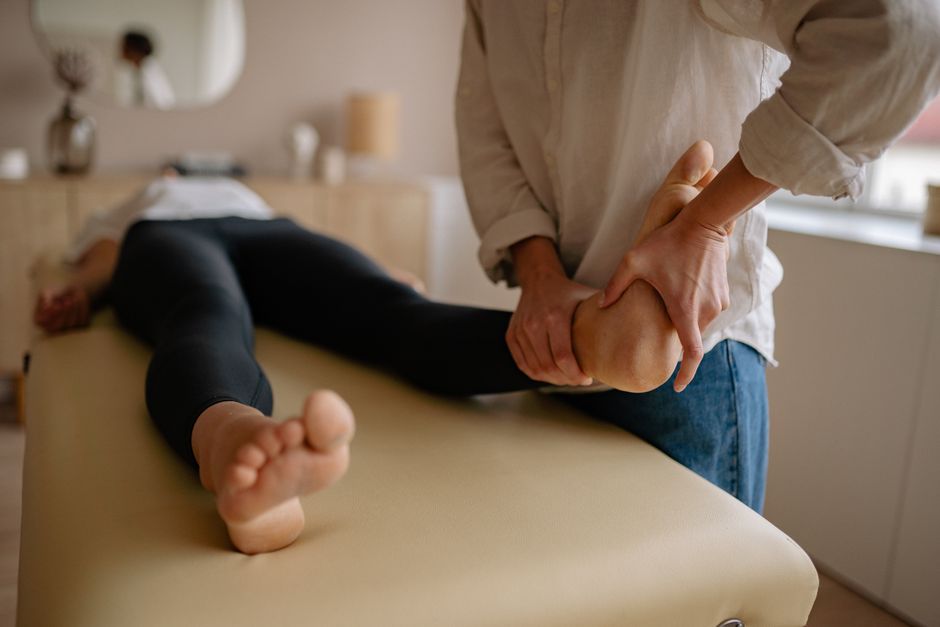
Step 3: Gentle stretching and massage. Once the sharp pain settles, stretch your calf muscles gently. Tight calves pull on the shin. Massage the area around the shin — not directly over the bone — to loosen tight muscles. Some people use a foam roller on the calves, but avoid rolling directly on the shinbone.
Step 4: Gradual return to activity. This is where most people mess up. They feel better after a week of rest and go back to running the same distance as before. That triggers the injury again. Start with walking. Then jog for a few minutes. Increase distance by no more than 10 percent per week. If pain returns, back off.





Does Stretching and Strengthening Help?
Yes, once the acute pain is gone. Stretching alone is rarely enough. Strengthening the muscles around the shin, calf, and hip is what prevents shin splints from returning.
Calf raises strengthen the large calf muscles. Stand on the edge of a step, slowly lower your heels, then push back up. Do two sets of 15 repetitions.
Toe raises target the front shin muscles directly. Sit with your leg straight out and pull your toes toward your shin. You can also stand and lift your toes while keeping your heels on the ground.
Hip and glute exercises like side-lying leg lifts and clamshells strengthen the muscles that stabilize your leg during running. Stronger hips mean less strain on your shins.
What About Orthotics or Special Shoes?
Proper footwear matters. If your shoes are worn out — typically after 300 to 500 miles of running — replace them. Shoes with good shock absorption reduce the force traveling to your shins.
For people with flat feet, over-the-counter arch supports can help control overpronation. Custom orthotics prescribed by a podiatrist may help if over-the-counter ones do not. But orthotics alone won’t fix shin splints if you are also doing too much too soon. They are a support tool, not a cure.
How Long Does Recovery Take?
Most people recover fully within two to six weeks if they rest properly and follow a gradual return. If you have had shin splints for months, recovery can take longer — sometimes six to eight weeks of consistent rest and rehab.
Signs that healing is on track: daily pain decreases, you can walk without pain, and eventually you can jog short distances without pain. If pain persists beyond a few weeks of proper rest, or if it is severe and located in one specific spot, see a doctor. You may need an X-ray or MRI to rule out a stress fracture.
Can You Prevent Shin Splints From Coming Back?
Yes, with a few changes. Gradual training progression is the most important. Never increase your weekly mileage by more than 10 percent. Cross-train with low-impact activities like swimming or cycling. Strengthen your hips, glutes, and calves at least twice per week. Replace running shoes regularly. And run on softer surfaces when you can.
If you have flat feet or high arches, wearing supportive shoes for daily walking as well as running may help reduce strain over time.
What Does Not Work for Shin Splints?
Some common remedies have little evidence to back them. Stretching alone does not prevent or heal shin splints. Wearing compression sleeves or using kinesiology tape may reduce pain during activity for some people, but these do not speed healing. Ultrasound and laser therapy have not been shown to help. Chiropractic adjustments to the foot or ankle are not supported by evidence for shin splints. Save your money on these and focus on rest and strengthening.
Frequently Asked Questions
Can I still exercise with shin splints?
You can do low-impact activities that do not cause pain. Swimming, biking, and using an elliptical are safe. Avoid any exercise that makes the shin pain worse.
Should I wrap or tape my shins?
Kinesiology tape or compression sleeves may reduce discomfort during movement for some people, but they do not treat the underlying injury. Use them only as a temporary aid while you rest and strengthen.
How do I know if it is shin splints or a stress fracture?
Shin splints cause pain that runs along the inner shin and feels better with rest. A stress fracture causes pain in one specific spot that hurts even when you are not active. If you cannot pinpoint the pain or it keeps you up at night, see a doctor.
Can I run through shin splints?
No. Running through the pain makes the injury worse and increases the risk of a stress fracture. Stop running until you can walk without pain. Then return gradually.
