
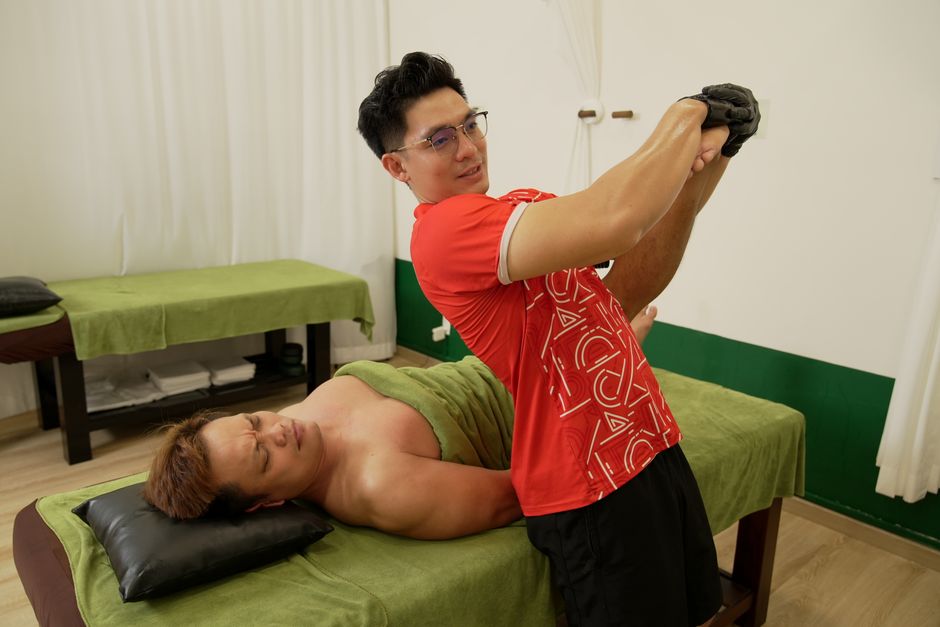
You wake up, and your body protests. Your back aches, your shoulders feel tight, and your knees are stiff. It is a frustrating way to start the day. The main reason you feel this way is that your body’s tissues lose hydration and become less lubricated overnight. Your joints have been still for hours, and natural inflammatory fluids have settled into the spaces around them. Your sleeping position also puts sustained pressure on certain muscles and joints.
Why Do I Wake Up Sore And Stiff Every Morning?
During sleep, your body goes through a predictable set of changes that lead to morning discomfort. Synovial fluid, which normally lubricates your joints, becomes thicker and less effective when you stay in one position for hours. Your spinal discs also reabsorb fluid while you lie flat, making them swell slightly — this is normal and reverses quickly once you stand and move.
Natural inflammation levels rise overnight as part of your body’s repair cycle. This “inflammatory cytokine” surge peaks in the early morning hours. For most people, this causes mild short-lived stiffness. For others, especially those with arthritis, it can be much more intense.
Muscle stiffness also happens because your blood flow slows during sleep. Oxygen and nutrients reach your muscles less efficiently. Metabolic waste products, such as lactic acid, can build up overnight if you haven’t moved enough during the day.
Is Morning Stiffness Normal or a Sign of Something Worse?
Brief morning stiffness that goes away within 15 to 20 minutes of moving is considered normal, especially as you age. This type of stiffness results from simple inactivity and fluid shifts.
Stiffness that lasts longer than 30 minutes, or that comes with visible swelling, redness, or intense pain, points to an underlying condition. The key difference is time. Normal morning stiffness fades as you start moving. Inflammatory arthritis stiffness often worsens with rest and improves with movement — but it may take an hour or more to loosen up.
If your stiffness is one-sided, accompanied by fever, or keeps you from getting out of bed easily, that is not normal. These signs should prompt a medical evaluation.
What Medical Conditions Cause Severe Morning Stiffness?
Several conditions are strongly linked to prolonged morning stiffness. The most common is osteoarthritis, where cartilage wears down over time. Joints feel stiff and grind in the morning. Stiffness from osteoarthritis usually lasts less than 30 minutes.
Rheumatoid arthritis is an autoimmune disease that attacks joint linings. Morning stiffness is a hallmark symptom — it often lasts over an hour and affects both sides of the body equally. If you feel stiff in your hands, wrists, and feet every morning for more than a month, rheumatoid arthritis should be considered.
Ankylosing spondylitis causes inflammation in the spine. Morning stiffness in the lower back and buttocks that improves with activity is a classic sign. Fibromyalgia also produces widespread muscle pain and stiffness but is not inflammatory. People with fibromyalgia often describe feeling “frozen” upon waking.
Polymyalgia rheumatica is a less common but serious cause of intense morning stiffness in the shoulders, neck, and hips in adults over 50. This condition requires prompt treatment.





How Does Your Sleep Position Affect Morning Pain?
Your sleeping posture can directly cause or worsen morning soreness. Sleeping on your stomach forces your neck to twist for hours, straining the cervical spine. This often leads to a stiff neck and headache in the morning.
Sleeping on your back with a thick pillow can overextend your neck or push your head forward. The ideal is a pillow that keeps your spine in a neutral line — your ears, shoulders, and hips aligned.
Side sleepers who curl into a fetal position can compress their shoulders and hips. A pillow between the knees helps keep the pelvis aligned and reduces pressure on the lower back.
Your mattress matters too. A mattress that is too soft allows your spine to sag. A mattress that is too hard creates pressure points. Most experts recommend replacing a mattress every 7 to 10 years.
Can Your Daily Habits Cause Next-Day Stiffness?
What you do during the day directly affects how you feel in the morning. A new or intense workout causes microscopic muscle tears that repair overnight. The stiffness you feel the next morning is delayed onset muscle soreness (DOMS). This is normal and typically peaks 24 to 48 hours after exercise.
Dehydration worsens morning stiffness. Your body loses water overnight through breathing and sweat. If you didn’t drink enough during the day, your tissues have less fluid to cushion joints and flush waste products. Drinking water consistently throughout the day helps — chugging a glass before bed just makes you wake up to urinate.
Prolonged sitting during the day tightens your hip flexors and hamstrings. These shortened muscles stay tight through the night and cause stiffness the next morning. Getting up every 30 minutes to stretch or walk can prevent this.
What Simple Changes Can Reduce Morning Soreness?
Gentle movement first thing is the most effective treatment. Do not jump out of bed and start running. Instead, stretch while you are still lying down — point and flex your feet, roll your ankles, and gently pull your knees to your chest. Then sit up slowly and move your neck side to side.
Applying heat to stiff joints increases blood flow and relaxes muscles. A warm shower or a heating pad for 10 to 15 minutes can make a significant difference. Some people find that light aerobic activity, such as a short walk, loosens them up faster than stretching alone.
Improving your sleep environment can prevent stiffness. Use a supportive pillow that matches your sleeping position. Keep your bedroom cool — between 60 and 67 degrees Fahrenheit — because heat can disrupt deep sleep and worsen inflammation.
Staying hydrated and eating an anti-inflammatory diet rich in fruits, vegetables, and omega-3 fatty acids may help. There is limited evidence that specific supplements like turmeric or glucosamine reduce morning stiffness, but results vary widely among individuals.
When Should You See a Doctor About Morning Stiffness?
If your stiffness lasts longer than 30 minutes after waking, if it is accompanied by swelling or redness in your joints, or if it prevents you from performing daily tasks, see a doctor. The same applies if you have stiffness along with fatigue, fever, or unexplained weight loss.
Doctors can run simple blood tests to check for inflammation, rheumatoid factor, and other markers. X-rays or ultrasound can show joint damage. Early treatment of inflammatory conditions like rheumatoid arthritis can prevent permanent joint damage.
Do not dismiss persistent morning stiffness as just aging. Many causes are treatable, and the sooner you address them, the better your outcome.
Frequently Asked Questions
Why am I so stiff and sore in the morning as I get older?
Normal age-related changes include reduced joint fluid, thinner cartilage, and slower tissue repair. This makes older adults more prone to overnight stiffness from inactivity. However, lasting more than 30 minutes may indicate an underlying condition.
How can I tell if my morning stiffness is arthritis?
Arthritis stiffness usually affects specific joints — fingers, knees, or hips — and lasts longer than 30 minutes. Rheumatoid arthritis often causes stiffness in both hands and wrists that takes over an hour to ease. Osteoarthritis typically feels worse with use but improves within 15–20 minutes after moving.
What stretches are best for morning stiffness?
Lie on your back and gently pull one knee at a time toward your chest. Then roll your knees side to side while keeping your shoulders flat. Finally, sit up and slowly turn your head left and right. Hold each stretch for 15 seconds without bouncing.
Can my mattress really cause morning back pain?
Yes. A mattress that is too soft or too hard can misalign your spine during sleep, leading to morning back pain and stiffness. Most people benefit from a medium-firm mattress that supports the natural curves of the spine.
