
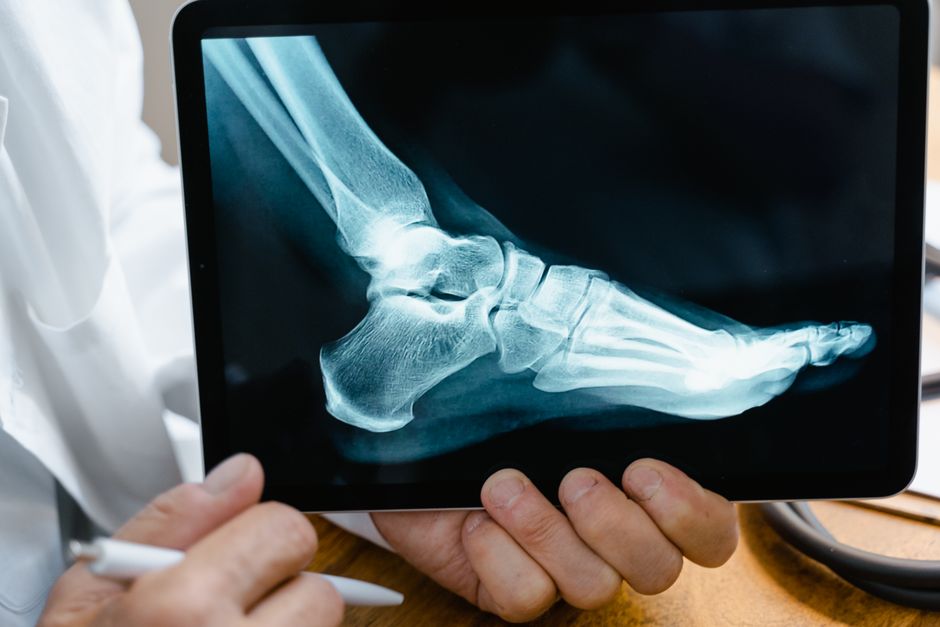
A bone infection, also called osteomyelitis, is a serious condition that needs prompt medical treatment. Healing time varies, but most people require at least 4 to 6 weeks of intravenous antibiotics, and full recovery can take several months. The exact timeline depends on the severity of the infection, your overall health, and whether surgery is needed.
What Causes a Bone Infection?
Bone infections usually happen when bacteria enter the bone through a wound, surgery, or the bloodstream. The most common cause is a bacterium called Staphylococcus aureus. Other bacteria, and rarely fungi, can also be responsible.
People with diabetes, poor circulation, or a weakened immune system are at higher risk. An open fracture — where the bone breaks through the skin — can also lead to infection. So can a deep pressure sore or a surgical site that becomes contaminated.
How Is a Bone Infection Treated?
Treatment almost always involves antibiotics and often surgery. Antibiotics are usually given through an IV in the hospital for the first several weeks. After that, you may switch to oral antibiotics for several more weeks.
Surgery is common because infected bone often needs to be removed. The surgeon cleans out dead bone tissue, drains pus, and may place antibiotic beads or spacers near the bone. In severe cases, more extensive bone reconstruction may be needed.
Without treatment, a bone infection can become chronic and spread. With proper treatment, most acute bone infections can be cured. However, curing chronic osteomyelitis is harder and sometimes requires multiple surgeries.
How Long Does Bone Infection Take To Heal?
Healing from a bone infection is a slow process. Standard treatment for acute osteomyelitis in adults typically involves 4 to 6 weeks of intravenous antibiotics. After that, oral antibiotics may continue for another 4 to 8 weeks. Children often heal faster and may need a shorter course.
If surgery is required, recovery adds time. The bone must heal after debridement, which can take weeks or months. You may need to avoid putting weight on the affected limb for a period. Complete healing — meaning the infection is gone and the bone has recovered — often takes 3 to 6 months. In some chronic or complicated cases, it can take a year or longer.
It is important to understand that “healed” means the infection is cleared and there are no signs of recurrence. Even after successful treatment, some people need long-term follow-up to watch for return of the infection.





What Factors Affect Healing Time?
Several factors influence how quickly a bone infection heals. The most important ones include:
- How early treatment starts. The sooner antibiotics and surgery begin, the better the outcome.
- The type of bacteria. Some bacteria are harder to kill and require different antibiotics for longer periods.
- Your overall health. Conditions like diabetes, smoking, and poor circulation slow healing.
- The location of the infection. Infections in the leg or foot can take longer to heal because of poorer blood flow.
- Whether the infection is acute or chronic. Chronic infections are harder to cure and take more time.
- The extent of bone damage. The more bone that needs to be removed, the longer the recovery.
Each person’s situation is different. Your doctor will give you a more specific timeline based on your case.
What Are the Complications of a Bone Infection?
Without proper treatment, bone infections can lead to serious problems. The infection can destroy bone tissue, leading to a fracture that does not heal. It can spread to nearby joints, causing septic arthritis. If bacteria enter the bloodstream, they can cause a life-threatening condition called sepsis.
Chronic osteomyelitis can also develop, where pockets of infection remain in the bone. This can cause repeated flare-ups over many years. Some people develop a sinus tract — an opening in the skin that drains pus from the infected bone.
Even with treatment, about 10 to 30 percent of cases may not fully resolve, especially if the infection is chronic or the person has underlying health problems.
Can a Bone Infection Be Prevented?
Not all bone infections can be prevented, but some steps lower the risk. Clean any open wound thoroughly and keep it covered. If you have diabetes, control your blood sugar and check your feet daily for sores. After surgery or a fracture, follow your doctor’s instructions for wound care and activity restrictions.
If you are at high risk — for example, if you have poor circulation or a weak immune system — talk to your doctor about signs of infection to watch for. Early treatment of a wound infection can stop it from reaching the bone.
Frequently Asked Questions
Can a bone infection heal without surgery?
Some mild bone infections can be treated with antibiotics alone, especially if caught very early. However, most cases require surgery to remove dead bone and drain pus.
How long do you stay in the hospital for a bone infection?
Hospital stays vary from a few days to several weeks, depending on the severity and whether IV antibiotics are needed. Many people spend 1 to 2 weeks in the hospital before continuing IV antibiotics at home.
What happens if a bone infection does not respond to antibiotics?
If antibiotics fail, surgery is usually needed to remove infected tissue. In some cases, the bacteria may be resistant to standard antibiotics, requiring stronger or different medications for a longer time.
Can a bone infection come back after treatment?
Yes, especially if the infection was chronic or if all infected bone was not removed. Recurrence rates for chronic osteomyelitis can be as high as 20 to 30 percent, even with aggressive treatment.
