
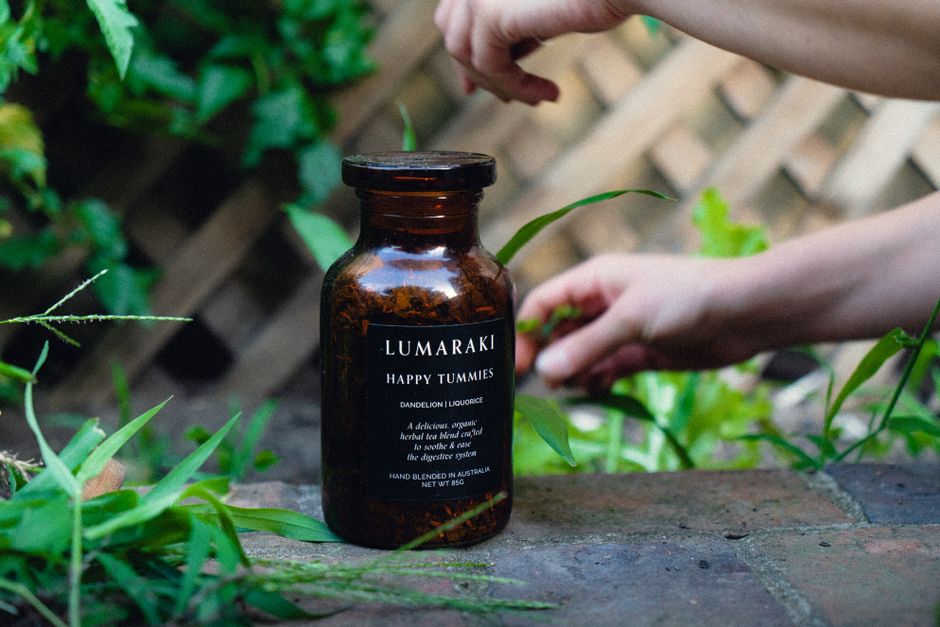
Most sore stomachs settle on their own within a few hours. The quickest way to stop a sore tummy is to rest, sip clear fluids like water or ginger tea, and avoid solid food for a few hours. If you feel hungry, try bland foods such as plain crackers, toast, or bananas. Over-the-counter antacids or simethicone can help if you have heartburn or gas. Stop eating if pain gets worse, and see a doctor if pain is severe, you cannot keep fluids down, or you have a fever.
What Causes a Sore Tummy?
A sore tummy is a symptom, not a condition. The cause determines the best way to stop it. Common culprits include overeating, gas, constipation, mild food poisoning, indigestion, and stomach viruses. Stress and anxiety can also upset the stomach by triggering muscle tension and changes in digestion.
Most causes are harmless and resolve on their own. But some need medical attention, such as appendicitis, gallstones, or a bowel obstruction. The key is to watch for warning signs like sharp pain that does not go away, vomiting blood, or a rigid belly.
How To Stop A Sore Tummy: Step by Step
Start by stopping all food intake for 2 to 4 hours. Give your digestive system a break. Sip small amounts of clear liquid every 15 minutes. Water, clear broth, or an electrolyte drink are good choices. Avoid milk, juice, soda, and alcohol.
After a few hours, if the pain has lessened and you have not vomited, try bland, low-fat foods. The BRAT diet — bananas, rice, applesauce, toast — is a standard approach. Other options are plain crackers, oatmeal, or boiled potatoes. Eat small portions and stop if pain returns.
For gas or bloating, gentle movement may help. A short walk can encourage gas to pass. Applying a warm compress or heating pad to your belly can relax muscles and ease cramping. Over-the-counter products like antacids (for heartburn), simethicone (for gas), or bismuth subsalicylate (for upset stomach) can provide relief. Always follow package directions and check with a pharmacist if you take other medications.
If you have diarrhea or vomiting, focus on rehydration. Oral rehydration solutions are better than sports drinks because they contain the right balance of sugar and salts. Sip slowly. If you cannot keep liquids down for more than 8 hours, seek medical advice.
What Not to Do When Your Stomach Hurts
Do not take painkillers like ibuprofen or aspirin on an empty stomach. They can irritate the stomach lining and make pain worse. Acetaminophen (Tylenol) is a safer option but still take it with a small amount of food.
Do not lie flat if you have heartburn or nausea. Prop yourself up with pillows or sit upright. Gravity helps keep stomach acid down.
Do not force yourself to eat. Skipping a meal is fine. Do not use laxatives for constipation pain — they can cause cramping and dehydration. Do not drink carbonated beverages, caffeine, or alcohol. These can worsen bloating, irritation, or dehydration.





Home Remedies: What the Evidence Says
Some home remedies have research behind them. Ginger is well studied for nausea. A 2016 review of studies found ginger reduced nausea in pregnancy, chemotherapy, and motion sickness. Ginger tea or chews can be helpful. Peppermint oil capsules are supported by some evidence for irritable bowel syndrome (IBS) pain. However, peppermint can relax the lower esophageal sphincter and worsen heartburn for some people.
Chamomile tea is commonly used for stomach upset, but clinical evidence is limited. Some studies suggest it may reduce intestinal inflammation, but results are inconsistent. Heating pads or warm baths are safe and can relieve muscle cramps, but they do not treat the underlying cause.
The evidence for apple cider vinegar for indigestion is mixed. Some people find it helps, but high acidity can irritate the esophagus. No large trials confirm its effectiveness. The same applies to baking soda water — it may neutralize stomach acid briefly but can cause rebound acidity and should not be used regularly.
When to See a Doctor for a Sore Tummy
Most sore tummies are not emergencies. But certain signs require immediate medical attention: severe pain that comes on suddenly, pain that wakes you up at night, blood in vomit or stool, fever above 101°F (38.3°C), inability to pass gas or stool, or a belly that is hard and tender to the touch.
If you have chronic or recurring sore tummies, see a doctor to rule out conditions like IBS, ulcers, gallstones, or celiac disease. Keep a symptom diary noting when pain occurs, what you ate, and how long it lasts. This helps your doctor make an accurate diagnosis.
How to Prevent a Sore Tummy
Prevention depends on the cause. For most people, eating smaller meals, eating slowly, and avoiding trigger foods helps. Common triggers are fatty foods, spicy foods, dairy (if lactose intolerant), and artificial sweeteners.
Stay hydrated throughout the day. Constipation is often caused by not enough water or fiber. Aim for 25–30 grams of fiber daily from vegetables, fruits, and whole grains. Regular physical activity also promotes healthy digestion.
For travelers, avoid tap water and raw foods in areas with uncertain sanitation. If you get motion sickness, sit in the front of the car or look at the horizon. Ginger supplements may help prevent nausea for some people.
No single prevention works for everyone. Listen to your body. If a certain food consistently causes problems, avoid it.
Frequently Asked Questions
How long should I wait before eating after a sore tummy?
Wait until you feel hungry again, usually 2 to 4 hours after pain subsides.
Is it safe to take antacids every day for a sore tummy?
No. Daily use of antacids can mask underlying problems and cause side effects like diarrhea or kidney issues. See a doctor if you need them regularly.
Can stress cause a sore stomach?
Yes. Stress triggers muscle tension and changes in digestion that can cause pain, cramping, or nausea.
What is the best position to sleep in with a sore tummy?
Sleep on your left side with knees bent. This position may help gas pass and reduce acid reflux.
