
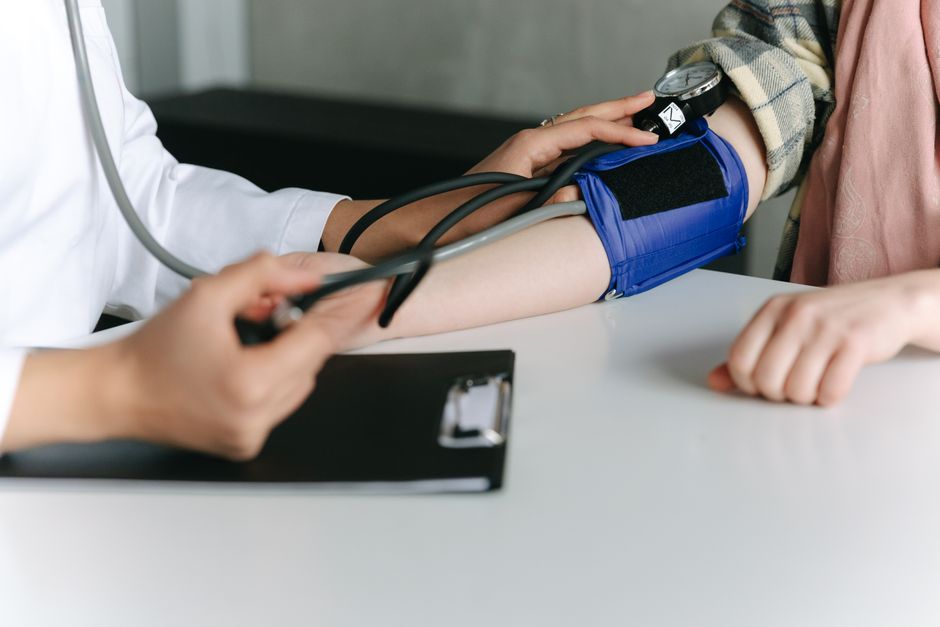
A single salty meal can push your blood pressure up within hours. For most people, this spike is temporary and not dangerous. Your body will correct it on its own. But there are things you can do to help it along and feel better faster. This article explains what happens in your body after a salty meal and what you can safely do to lower your blood pressure afterward.
What Happens To Your Blood Pressure After A Salty Meal?
Salt is sodium chloride. When you eat a lot of sodium, your body holds onto water to keep the salt concentration in your blood stable. That extra fluid increases the total volume of blood in your arteries. More volume means more pressure against your vessel walls. That is the basic mechanism behind a salt-related blood pressure spike.
The effect is not the same for everyone. People with normal blood pressure may see a small, brief rise. People with existing hypertension, kidney disease, or salt sensitivity can see a much larger increase. The rise typically begins within 30 minutes to a few hours after the meal and can last for several hours.
Your kidneys are the main system that fixes this. They filter out the extra sodium and water over the next 12 to 24 hours. Until they do, your blood pressure stays higher than your baseline.
How To Lower Blood Pressure After A Salty Meal
The most effective single step is to drink water. Not in huge amounts — just enough to help your kidneys flush the sodium. A glass or two of plain water is reasonable. Drinking excessive amounts will not speed up the process and can be dangerous in people with heart failure or kidney disease.
Water helps because it supports kidney filtration. But it does not instantly wash the sodium out. The kidneys work at their own pace. Water simply ensures they have the fluid they need to do their job.
Gentle movement can also help. A short walk after a meal helps your blood vessels relax slightly. This is not about sweating out the salt. Sweat does remove some sodium, but the amount is small compared to what your kidneys handle. The benefit of walking is that it temporarily lowers blood pressure through vessel relaxation and improved circulation.
What you eat next matters too. A meal high in potassium can help counterbalance sodium. Potassium helps your kidneys excrete sodium and relaxes blood vessel walls. Foods like bananas, oranges, potatoes, spinach, and yogurt are good sources. One banana or a serving of leafy greens is a reasonable choice. Do not take potassium supplements unless a doctor has prescribed them.
What Not To Do After A Salty Meal
Do not take an extra dose of your blood pressure medication unless your doctor has specifically told you to. Taking extra medication without instructions can cause your blood pressure to drop too low. That can cause dizziness, fainting, or more serious problems.
Do not drink alcohol. Alcohol can have unpredictable effects on blood pressure. In small amounts it may temporarily lower it, but it also dehydrates you and can interfere with how your body handles the sodium load. It is not a useful tool for managing a salt spike.
Do not use a sauna or take a very hot bath to “sweat it out.” Heat causes blood vessels to dilate, which can lower blood pressure temporarily. But it also causes fluid loss through sweating, which can be risky if you already have elevated blood pressure or heart issues. The drop in blood pressure from heat can be sudden and cause fainting.
Do not rely on diuretics, including over-the-counter “water pills.” Some people think a diuretic will rapidly remove the extra fluid. But unmonitored diuretic use can deplete potassium and sodium too quickly, leading to dangerous electrolyte imbalances. This is especially risky for older adults and people on blood pressure medications.

How Long Does A Salt Spike Last?
For most healthy people, a salt-induced rise in blood pressure lasts a few hours to about a day. The exact duration depends on how much sodium you ate, your kidney function, and your baseline blood pressure. Your kidneys continuously filter and excrete the excess, so the pressure gradually returns to normal.
If you have chronic high blood pressure, the spike may last longer and be more pronounced. If you have kidney disease, your kidneys cannot clear sodium as efficiently, so the elevation can persist for 24 to 48 hours or longer.
A single salty meal does not cause permanent damage in a healthy person. The concern is repeated high-sodium meals over months and years. Chronic high sodium intake keeps blood pressure consistently elevated, which increases the risk of heart attack, stroke, and kidney damage over time.
How To Prevent The Spike In The First Place
The most reliable way to lower blood pressure after a salty meal is to avoid the large spike altogether. That starts with knowing where sodium hides. Restaurant meals, processed meats, canned soups, packaged snacks, and sauces are the biggest sources. A single restaurant entrée can contain more sodium than the entire daily recommended limit.
The general dietary guideline for sodium is under 2,300 milligrams per day for most adults. Many health organizations recommend 1,500 milligrams for people with high blood pressure or those at higher risk. One teaspoon of salt contains about 2,300 milligrams of sodium.
When you know a salty meal is coming, you can prepare. Drink water before the meal. Choose potassium-rich sides when possible. Avoid ordering extra sauce or asking for it on the side. These steps do not eliminate the sodium, but they reduce the total load your body has to process.
If you eat out frequently, check nutrition information when it is available. Many chain restaurants publish sodium content online. You do not need to obsess over every gram, but knowing that a single meal can exceed your entire daily sodium budget helps you make better choices.
When To Check Your Blood Pressure After A Salty Meal
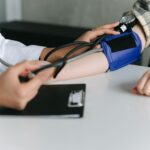
If you have a home blood pressure monitor, wait at least 30 minutes after the meal before measuring. Immediately after eating, your body is directing blood flow to your digestive system, which can affect the reading. Sit quietly for five minutes before measuring. Do not measure right after walking or standing.
One elevated reading is not a reason to panic. Blood pressure naturally fluctuates throughout the day. A single reading above your normal range after a salty meal is expected. What matters is the pattern over time. If your blood pressure stays high for more than 24 hours after a salty meal, or if you have symptoms like headache, chest pain, or shortness of breath, contact a healthcare provider.
People with known hypertension should monitor more carefully. If your blood pressure rises significantly after a salty meal and stays elevated, talk to your doctor about how to manage these episodes. Some doctors advise checking blood pressure at the same time each day to get a consistent picture.
Who Needs To Be Extra Careful
Certain groups are more vulnerable to salt’s effects on blood pressure. People with existing hypertension, chronic kidney disease, heart failure, or diabetes need to be more careful. For these individuals, a salty meal can cause a larger and longer-lasting spike. It can also worsen their underlying condition.
Older adults also tend to be more salt-sensitive. As we age, kidney function naturally declines, and the blood vessels become stiffer. Both changes make the blood pressure response to sodium more pronounced.
People taking certain medications should also be cautious. ACE inhibitors, angiotensin receptor blockers, and diuretics all interact with sodium balance in different ways. If you take any of these, do not try to “correct” a salty meal on your own with extra water or other measures beyond normal hydration. Follow your doctor’s advice.
If you have heart failure or kidney disease, a single very salty meal can cause fluid retention that requires medical attention. If you notice sudden weight gain, swelling in your legs or ankles, or difficulty breathing after a salty meal, seek medical care promptly.
Frequently Asked Questions
How much water should I drink after a salty meal?
One or two glasses of plain water is reasonable to support kidney function. Drinking excessive amounts will not flush sodium out faster and can be unsafe for people with heart or kidney conditions.
Can exercise lower blood pressure after eating salt?
A short, gentle walk can help temporarily lower blood pressure by relaxing blood vessels. Intense exercise is not necessary and may cause a temporary rise in blood pressure during the activity itself.
How long does it take for blood pressure to return to normal after salt?
For most healthy people, blood pressure returns to baseline within a few hours to about a day. People with hypertension or kidney disease may take longer.
Should I take extra blood pressure medication after a salty meal?
No. Never take an extra dose of blood pressure medication without your doctor’s specific instructions. Doing so can cause your blood pressure to drop dangerously low.
