
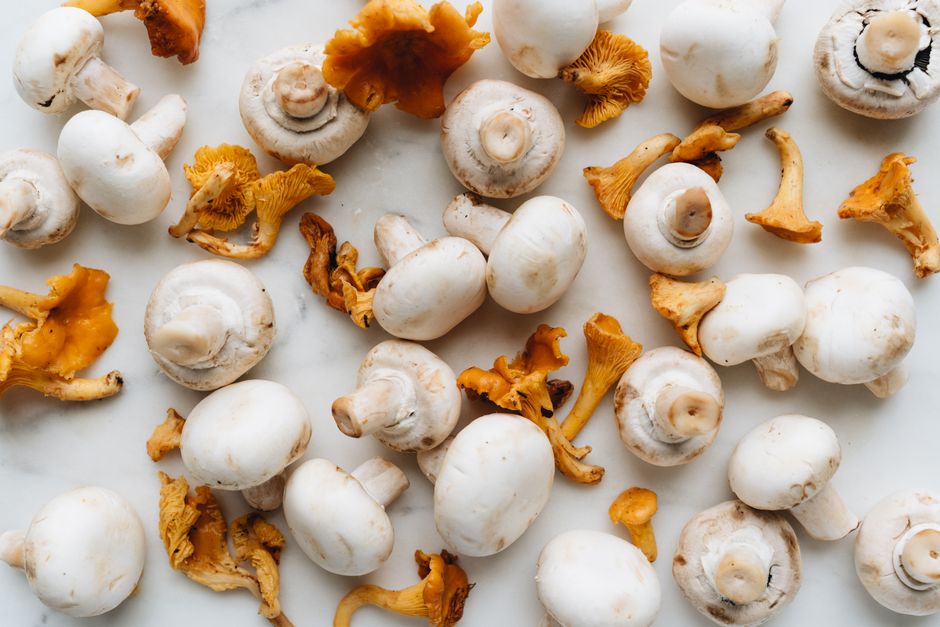
Mushrooms are a smart food choice for people watching their blood pressure, but they are not a treatment for hypertension. They are naturally low in sodium, contain potassium, and offer several bioactive compounds that research links to better cardiovascular health. The evidence supports mushrooms as part of a blood-pressure-friendly diet, not as a replacement for medication or medical care.
What Do Mushrooms Contain That Affects Blood Pressure?
Mushrooms bring three main things to the table for blood pressure: low sodium, meaningful potassium, and bioactive compounds that may influence blood vessel function.
A 70-gram serving of raw white mushrooms (about five medium mushrooms) contains roughly 223 mg of potassium and only about 4 mg of sodium. That ratio matters. Potassium helps blood vessels relax and helps the body excrete excess sodium through urine. The typical Western diet is high in sodium and low in potassium, and correcting that imbalance is a well-established strategy for lowering blood pressure.
Mushrooms also contain ergothioneine, an amino acid with antioxidant properties, and beta-glucans, a type of fiber. Some research suggests these compounds reduce oxidative stress and inflammation in blood vessels, which can improve endothelial function — the ability of blood vessels to widen and narrow properly. Better endothelial function is directly tied to lower blood pressure.
What Does the Research Actually Show?
Several large observational studies have looked at mushroom consumption and blood pressure. Research published in the journal Nutrients found that people who ate mushrooms regularly had a lower risk of developing high blood pressure compared to those who rarely ate them. This association held even after adjusting for other dietary factors and lifestyle habits.
Clinical trials are more limited. Small human studies have shown that consuming mushrooms daily for several weeks can modestly reduce both systolic and diastolic blood pressure in people with mild hypertension. But the effect sizes are small, and most trials have been short-term.
The strongest evidence comes from the Dietary Approaches to Stop Hypertension (DASH) eating pattern, which emphasizes vegetables, fruits, whole grains, and low-fat dairy. Mushrooms fit squarely into this pattern. The DASH diet consistently lowers blood pressure in clinical trials, and mushrooms are one of many vegetables that contribute to its effectiveness. No single food in the DASH plan is responsible for the benefit — the pattern as a whole does the work.
Are Some Mushrooms Better Than Others?
All common edible mushrooms offer similar nutritional profiles. White button, cremini, portobello, shiitake, and oyster mushrooms all provide potassium, B vitamins, and fiber with minimal sodium.
Shiitake and maitake mushrooms contain additional compounds that have drawn research interest. Shiitake contains eritadenine, a compound studied for cholesterol-lowering effects. Maitake contains beta-glucans that some animal studies suggest may improve blood pressure regulation. However, human evidence for these specific varieties being superior to others is thin.
Lion’s mane and reishi mushrooms are often marketed for heart health. Reishi has been studied for blood pressure in some small trials with mixed results. Lion’s mane research has focused primarily on cognitive function, not blood pressure. Neither has strong clinical evidence for hypertension treatment.
A practical approach: choose whichever mushrooms you enjoy and can afford. The blood pressure benefit comes from eating mushrooms regularly as part of an overall healthy diet, not from seeking out a specific exotic variety.





How Should You Eat Mushrooms for Blood Pressure?
How you prepare mushrooms matters as much as which ones you choose. Frying mushrooms in butter or serving them with heavy cream sauce adds sodium and saturated fat, which works against your blood pressure goals.
Better preparation methods include:
- Sautéing in olive oil with garlic and herbs
- Roasting with a light mist of oil and black pepper
- Adding raw sliced mushrooms to salads
- Incorporating them into vegetable soups and stews
- Grilling portobello caps as a meat substitute
Be careful with canned mushrooms. They are often packed in brine and can contain 500-600 mg of sodium per half-cup serving — more than 20% of the recommended daily limit. If you use canned mushrooms, rinse them thoroughly under running water before cooking. This can remove up to one-third of the sodium.
Dried mushrooms, such as shiitake, also concentrate sodium during the drying process. Rehydrate them in water and discard the soaking liquid if you are sodium-sensitive.
Can Mushrooms Replace Blood Pressure Medication?
No. This is the most important point to be clear about.
Mushrooms are a food, not a drug. They can support blood pressure management, but they cannot replace antihypertensive medications in people who need them. If you have been prescribed blood pressure medication, continue taking it as directed. Talk to your doctor before making any changes.
Some mushroom extracts and supplements are marketed with claims about blood pressure benefits. The evidence for these products is weak. No large, well-designed clinical trial has confirmed that any mushroom supplement effectively lowers blood pressure in humans. Whole mushrooms are a better choice — they provide nutrition, fiber, and satiety that supplements cannot replicate.
There is also a safety concern with some medicinal mushroom supplements. Reishi, for example, can interact with blood thinners and blood pressure medications. Always tell your doctor about any supplements you take.
How Many Mushrooms Should You Eat?
No clinical guideline specifies a target number of mushrooms for blood pressure. The general vegetable recommendation of 2.5 to 3 cups per day applies, and mushrooms can be part of that total.
A reasonable serving is about one cup of sliced mushrooms, which is roughly 70-100 grams. Eating this amount several times per week is realistic and supported by the observational research. Daily consumption is not necessary to see benefit.
One caution: mushrooms are one of the few foods that naturally contain vitamin D when exposed to UV light. Some commercially grown mushrooms are UV-treated to boost vitamin D content. This is a health benefit, not a risk, but it is worth knowing that vitamin D levels in mushrooms vary widely depending on growing conditions.
What Else Should You Know About Mushrooms and Heart Health?
Mushrooms contain no cholesterol, which makes them a useful substitute for meat in many dishes. Swapping a portobello cap for a beef patty saves you saturated fat and calories while adding potassium and fiber.
The fiber in mushrooms, particularly beta-glucans, may also help with cholesterol management. Some studies show that regular mushroom consumption is associated with lower LDL cholesterol levels. Lower LDL cholesterol reduces overall cardiovascular risk, which matters for people with high blood pressure because the two conditions often coexist.
Mushrooms are also a source of B vitamins, including riboflavin, niacin, and pantothenic acid. These vitamins support energy metabolism but have no direct effect on blood pressure.
Frequently Asked Questions
Do mushrooms lower blood pressure immediately?
No food lowers blood pressure immediately. Mushrooms contribute to a dietary pattern that gradually improves blood pressure over weeks and months.
Can I eat mushrooms every day for high blood pressure?
Yes, daily consumption is safe for most people and fits within vegetable intake recommendations. Just watch your preparation method and avoid adding excess salt or fat.
Are canned mushrooms bad for blood pressure?
Canned mushrooms are often high in sodium due to brine packing. Rinsing them thoroughly can remove some sodium, but fresh or frozen mushrooms are the better choice.
Do mushroom supplements lower blood pressure?
No clinical evidence confirms that mushroom extracts or supplements effectively lower blood pressure. Whole mushrooms are the better option.
