

Yes, pain can affect blood pressure, and it does so in two distinct ways. Acute pain—like a sudden injury or a medical procedure—typically causes a temporary spike in blood pressure. Chronic pain, which lasts for months or years, is more complex and can contribute to persistently elevated readings. The relationship is real, measurable, and important to understand, especially if you live with either type of pain.
How Does Acute Pain Raise Blood Pressure?
Acute pain triggers your body’s stress response. When you feel sudden pain, your nervous system activates the sympathetic branch—the part responsible for the “fight or flight” reaction. This causes your adrenal glands to release hormones like adrenaline and cortisol.
These hormones do two things quickly. They make your heart beat faster and with more force. They also narrow your blood vessels. Both actions increase the pressure inside your arteries. For most healthy people, this spike is temporary. Once the pain stops, blood pressure usually returns to normal within a short period.
Research consistently shows this effect in clinical settings. People undergoing procedures like dental extractions or joint injections often show elevated readings during the procedure that drop afterward. The severity of the spike generally tracks with the intensity of the pain. More pain means a bigger temporary rise.
Can Chronic Pain Cause Long-Term High Blood Pressure?
Chronic pain is different. Pain that persists for months or years keeps the stress response active for extended periods. This ongoing activation can lead to structural changes in your blood vessels over time. The vessels become stiffer, and the heart works harder to pump blood.
Studies have found a link between chronic pain conditions and higher rates of hypertension. People with conditions like arthritis, fibromyalgia, or chronic back pain show higher average blood pressure readings than people without these conditions. The exact numbers vary by study, but the pattern is consistent across multiple research groups.
There is an important distinction to make here. Chronic pain does not directly cause hypertension in every person. Instead, it acts as a contributing factor. It increases the risk, especially when combined with other risk factors like poor sleep, reduced physical activity, and obesity. Many people with chronic pain exercise less because movement hurts. Reduced activity is itself a risk factor for high blood pressure.
What Does a Pain-Induced Blood Pressure Spike Feel Like?
Most people cannot feel a mild to moderate rise in blood pressure. The body does not have pain receptors inside the arteries. You will not notice that your pressure went from 120/80 to 140/90 during a painful episode.
Severe spikes can produce symptoms. These include headache, dizziness, flushing, or a feeling of your heart pounding. Some people experience nosebleeds or blurred vision during extreme pain events. These symptoms warrant medical attention, especially if they persist after the pain resolves.
Your blood pressure reading during a painful event is not a reliable indicator of your usual blood pressure. If you are in pain when you take a reading, the number will likely be higher than your true baseline. This matters for people who monitor their pressure at home. A reading taken during a headache or after an injury does not accurately represent your everyday pressure.
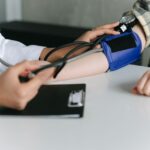

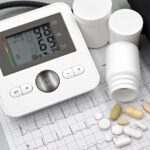


How Much Can Pain Raise Blood Pressure?
The size of the increase depends on several factors. The intensity of the pain matters most. Mild pain might raise systolic pressure by 5 to 10 points. Severe pain can push it much higher, sometimes by 20 to 30 points or more.
Your baseline blood pressure also matters. Someone with normal pressure starting at 115/75 might spike to 135/85 during severe pain. Someone with pre-existing hypertension starting at 140/90 could spike to 160/100 or higher. The pain amplifies whatever your starting point is.
Individual variation is significant. Two people with identical pain levels can show very different blood pressure responses. Some of this comes down to genetics, some to fitness level, and some to how your nervous system processes pain signals. There is no way to predict your exact response in advance.
Does Blood Pressure Medication Interact with Pain?
Pain can interfere with blood pressure treatment in several ways. First, the pain itself can push your pressure above the range your medication is managing. This does not mean the medication stopped working. It means the pain added a new stressor that the medication dose cannot fully counter.
Second, common pain relievers can directly raise blood pressure. Nonsteroidal anti-inflammatory drugs (NSAIDs) like ibuprofen and naproxen are known to increase blood pressure and can reduce the effectiveness of many blood pressure medications. These drugs are widely available over the counter, which makes this interaction easy to miss.
Acetaminophen is generally considered safer for blood pressure, but it still requires caution at high doses. If you take daily pain relievers for a chronic condition, talk to your doctor about which options are safest for your cardiovascular health. Do not stop a prescribed pain medication without medical guidance, and do not assume over-the-counter options are automatically safe.
Can Treating Pain Lower Blood Pressure?
Effective pain treatment can bring blood pressure down, but the effect depends on the cause of the pain. For acute pain, resolving the underlying issue—like setting a broken bone or draining an abscess—usually returns blood pressure to baseline within a short window.
For chronic pain, the picture is more complicated. Some studies show that successful pain management programs lower blood pressure modestly. These programs typically combine medication, physical therapy, and behavioral approaches. The blood pressure benefit appears to come from a combination of reduced pain signals and improved lifestyle factors like better sleep and increased activity.
There is no strong evidence that any single pain treatment reliably cures hypertension. Nerve blocks, spinal injections, and surgical interventions for pain do not have a consistent track record for lowering blood pressure. If you have both chronic pain and high blood pressure, treat them as separate but related conditions. Managing one does not automatically resolve the other.
When Should You See a Doctor?
You should seek medical attention if you experience severe pain accompanied by a very high blood pressure reading. A reading above 180/120 is considered a hypertensive crisis and requires immediate medical care, especially if you also have chest pain, shortness of breath, or neurological symptoms.
You should also see a doctor if you have chronic pain and have never had your blood pressure checked. The combination of these two conditions is common enough that routine screening is warranted. Many people discover they have hypertension only after a pain episode triggers a check.
If you take blood pressure medication and notice your readings climbing during painful episodes, contact your healthcare provider. They may need to adjust your treatment plan. Do not change your medication dose on your own based on a reading taken during pain.
Finally, if you experience frequent headaches with elevated blood pressure readings, this deserves evaluation. Recurrent pain and high readings together suggest a pattern that needs investigation rather than isolated management of each symptom.
Frequently Asked Questions
Can stress from pain cause a false high blood pressure reading?
Yes, pain triggers a stress response that can temporarily raise your reading above your true baseline. This is why doctors often recheck blood pressure after a painful procedure.
Does chronic pain make blood pressure medications less effective?
Chronic pain can push your pressure above what your current medication dose manages, and some pain relievers like NSAIDs can directly reduce medication effectiveness. Talk to your doctor about the safest pain relief options for your situation.
Will treating my chronic pain lower my blood pressure?
Successful pain management can modestly lower blood pressure, especially when it improves sleep and activity levels. However, it does not reliably cure hypertension, and blood pressure should be managed as a separate condition.
What is a dangerous blood pressure reading during pain?
A reading above 180/120 is considered a hypertensive crisis and requires immediate medical attention. Seek emergency care if this reading comes with chest pain, shortness of breath, or neurological symptoms.
