
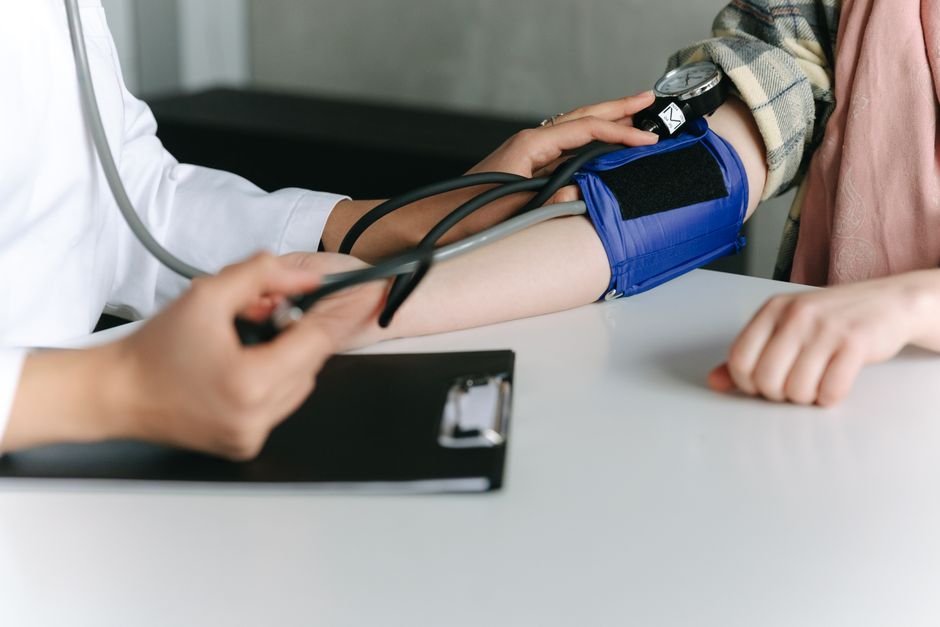
If your blood pressure drops too low and causes symptoms like dizziness or fainting, the first steps are to drink more water, increase your salt intake (unless you have high blood pressure or kidney disease), and put on compression stockings. For quick relief when you feel faint, lie down and raise your legs above heart level. But the right approach depends on why your blood pressure is low and whether you have symptoms. This article explains the causes, symptoms, and evidence‑based ways to raise low blood pressure safely.
What Is Considered Low Blood Pressure?
Blood pressure is measured as two numbers: systolic (the top number) and diastolic (the bottom number). A reading of 90/60 mm Hg or lower is generally considered low blood pressure, also called hypotension. Many people walk around with readings in that range and feel fine. It only becomes a problem when it causes symptoms such as dizziness, blurred vision, nausea, or fainting.
What Causes Low Blood Pressure?
Low blood pressure can result from several different conditions. Dehydration is one of the most common causes. When you lose more water than you take in, your blood volume drops, and pressure falls. Bleeding, either from an injury or internal source, also reduces blood volume.
Heart problems can cause hypotension too. A weak heart muscle, a very slow heart rate (bradycardia), or heart valve issues can prevent the heart from pumping enough blood. Endocrine disorders such as an underactive thyroid (hypothyroidism) or adrenal insufficiency (Addison’s disease) can also lower blood pressure. Some medications, including diuretics, beta‑blockers, and certain antidepressants, have hypotension as a side effect.
Another common form is orthostatic (or postural) hypotension. This happens when you stand up quickly and blood pools in your legs, causing a temporary drop in pressure. It becomes more common with age and can be worsened by dehydration, medications, or prolonged bed rest.
How Do You Know If Low Blood Pressure Needs Treatment?
The key question is whether you have symptoms. Asymptomatic low blood pressure — readings below 90/60 without any complaints — is usually not a concern. Many healthy young adults and athletes have naturally low blood pressure and live long healthy lives. There is no evidence that treating it improves outcomes.
When symptoms appear, treatment may be needed. Common symptoms include:
- Dizziness or lightheadedness, especially when standing
- Fainting (syncope)
- Blurry vision
- Nausea
- Fatigue
- Cold, clammy skin
- Rapid, shallow breathing
If you faint or feel like you might faint, see a doctor. It is important to identify the underlying cause rather than just treating the number.

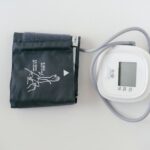
How To Increase Your Blood Pressure When Its Low: Lifestyle Changes That Work
For people with symptomatic hypotension, several lifestyle adjustments can help. These are supported by clinical experience and some research.
Drink more fluids. Water increases blood volume and prevents dehydration. Aim for enough water so your urine is light yellow. For some people, a sudden large glass of water (about 16 ounces) can raise blood pressure temporarily through a reflex that tightens blood vessels.
Increase your salt intake. Sodium helps your body hold onto water, which raises blood volume and pressure. Table salt is the simplest way. Some doctors recommend adding an extra 1 to 2 grams of sodium per day, but only if you do not have high blood pressure, heart failure, or kidney disease. Always check with your doctor before making this change.
Wear compression stockings. These tight‑fitting socks apply gentle pressure to your legs, which pushes blood back up toward your heart. They are especially helpful for orthostatic hypotension. Use waist‑high stockings for the best effect, not just knee‑high ones. They are available over the counter, but a doctor may prescribe a specific pressure level.
Avoid sudden position changes. When you stand up from sitting or lying down, do it slowly. Sit for a minute before standing, and stand for a moment before walking. This gives your body time to adjust.
Eat smaller, more frequent meals. Low blood pressure after eating (postprandial hypotension) is common in older adults. Large meals divert blood to the digestive tract. Eating smaller meals, and limiting carbohydrates, can reduce this drop.
Raise your legs. If you feel faint, lie down and lift your legs above heart level. This helps blood return to your brain quickly. It is a simple first aid measure that works.
When Are Medications Used for Low Blood Pressure?
When lifestyle changes are not enough, doctors may prescribe medications. The most common are fludrocortisone and midodrine.
Fludrocortisone is a medication that helps your kidneys hold onto salt and water, increasing blood volume. It is often used for chronic orthostatic hypotension. Side effects can include fluid retention, low potassium, and headaches.
Midodrine works by tightening blood vessels, which raises blood pressure. It is taken as a pill and is approved for orthostatic hypotension. It can cause goosebumps, tingling, and a feeling of urinary urgency. This medication is usually reserved for people whose symptoms do not improve with other measures.
These are prescription drugs. They come with risks and are not for everyone. Your doctor will weigh the benefits against potential side effects, especially for older adults who may be more sensitive.
Can Low Blood Pressure Be Dangerous?
Severely low blood pressure can be dangerous because it reduces blood flow to vital organs like the brain, heart, and kidneys. This is called shock. Signs of shock include confusion, cold and pale skin, rapid heart rate, and very low blood pressure (below 80/50). Shock is a medical emergency that requires immediate treatment.
Chronic mild low blood pressure, without symptoms, is not dangerous. Some studies have even linked it to longer life expectancy, possibly because it puts less strain on blood vessels. The danger comes from symptoms that cause falls or fainting, not from the number itself.
When Should You See a Doctor?
If you have any symptoms of low blood pressure — especially fainting, falls, or dizziness that interferes with daily life — see a doctor. Also see a doctor if you have a known condition like heart disease, diabetes, or thyroid problems and your blood pressure drops suddenly. A doctor can check for underlying causes and recommend the right treatment.
Anyone who experiences severe symptoms like chest pain, shortness of breath, or signs of shock should go to the emergency room immediately.
Frequently Asked Questions
Is low blood pressure dangerous if I have no symptoms?
Normally no. Asymptomatic low blood pressure is common and not linked to health problems. Routine treatment is not recommended unless symptoms develop.
How fast can you raise low blood pressure at home?
Drinking a large glass of water can raise blood pressure within minutes by increasing blood volume. Eating something salty can also work quickly. For a sustained effect, consistent hydration and increased salt intake over days are more reliable.
Does caffeine help raise low blood pressure?
Caffeine can temporarily raise blood pressure by constricting blood vessels, but the effect is modest and short‑lived. It is not a reliable long‑term solution and may cause side effects like jitteriness or dehydration if consumed in large amounts.
Can low blood pressure cause a heart attack?
Low blood pressure itself does not cause heart attacks, but severely low blood pressure (shock) can reduce blood flow to the heart muscle and lead to damage. Chronic hypotension without symptoms does not increase heart attack risk.
