
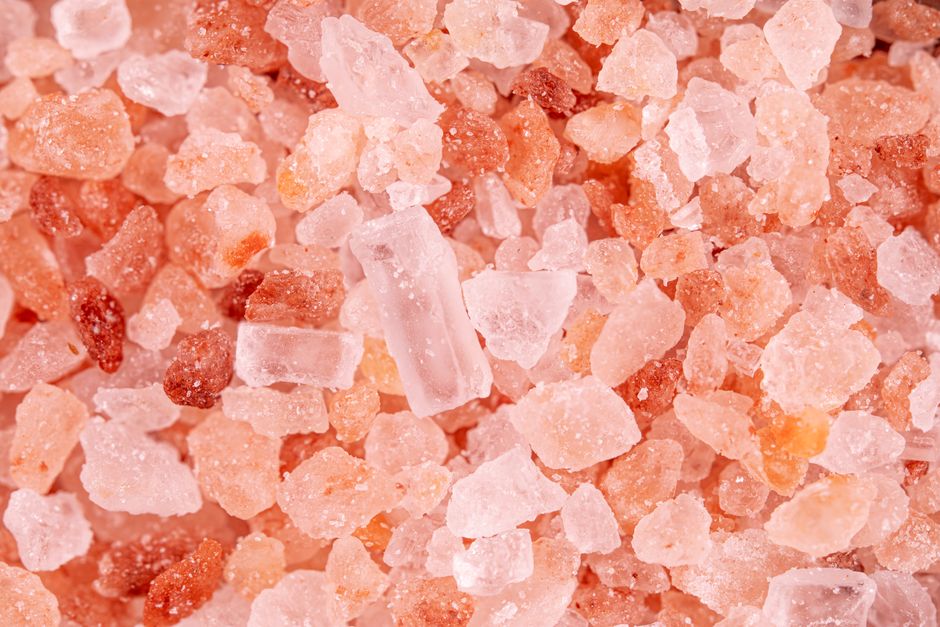
Himalayan pink salt has become a popular kitchen staple, often marketed as a healthier alternative to regular table salt. Many people wonder if this pink salt affects blood pressure differently than standard sodium chloride. The direct answer is that Himalayan salt can increase blood pressure just like any other salt, because it is still roughly 98 percent sodium chloride. The small amounts of trace minerals it contains do not change how your body processes sodium, and consuming too much of it carries the same cardiovascular risks as regular salt.
What Is Himalayan Salt Made Of?
Himalayan salt comes from the Khewra Salt Mine in Pakistan. Despite its name, most of it is actually mined from the Punjab region, not the Himalayan mountain range itself. The pink color comes from trace amounts of iron oxide, along with other minerals like potassium, magnesium, and calcium.
These trace minerals are present in such small amounts that they have no meaningful effect on your health. To get a significant dose of magnesium or potassium from Himalayan salt, you would need to consume an amount of salt that would be dangerous. The salt is still primarily sodium chloride, which is the compound that affects blood pressure.
Does Himalayan Salt Increase Blood Pressure?
Yes. Himalayan salt raises blood pressure in the same way regular table salt does. The active ingredient affecting blood pressure is sodium, and Himalayan salt contains roughly the same amount of sodium as regular salt — about 40 percent sodium by weight.
When you consume sodium, your body holds onto water to maintain fluid balance. This increases the volume of blood in your bloodstream, which raises the pressure against your artery walls. Over time, consistently high sodium intake can lead to sustained high blood pressure, a major risk factor for heart disease, stroke, and kidney damage.
One teaspoon of any salt, including Himalayan salt, contains approximately 2,300 milligrams of sodium. That is the upper daily limit recommended for healthy adults by major health organizations. Most people consume more than this on a regular basis.
Does the Mineral Content Make a Difference?
Marketers often claim that the 84 trace minerals in Himalayan salt make it healthier than regular salt. This claim is misleading. The minerals are present in such tiny amounts that they do not provide any measurable nutritional benefit.
For example, to get the same amount of potassium found in a single banana, you would need to eat several pounds of Himalayan salt. That amount of sodium would be life-threatening. The trace minerals in pink salt are essentially irrelevant to your health, whether positive or negative.
Some people also believe that Himalayan salt contains less sodium than table salt. This is not true. Both salts contain about the same amount of sodium by weight. The only difference is the crystal size, which can affect how much salt fits in a teaspoon. Finer grains pack more tightly, so a teaspoon of fine table salt contains slightly more sodium than a teaspoon of coarse Himalayan salt. But if you weigh the salt instead of measuring by volume, the sodium content is nearly identical.



How Does Sodium Affect Blood Pressure?
Sodium affects blood pressure through a well-understood physiological mechanism. Your kidneys regulate sodium and fluid balance in your body. When sodium levels rise, your kidneys hold onto water to dilute the sodium. This extra fluid increases blood volume, which puts more pressure on your artery walls.
Some people are more sensitive to salt than others. Salt sensitivity means that blood pressure responds more dramatically to changes in sodium intake. Older adults, people with existing high blood pressure, people with diabetes, and people of African descent tend to be more salt-sensitive. For these individuals, reducing sodium intake can have a significant effect on blood pressure.
For people with normal blood pressure, reducing sodium can still lower blood pressure modestly. Research consistently shows that lower sodium intake is associated with lower blood pressure across populations.
Is Himalayan Salt Better Than Regular Salt for Blood Pressure?
No clinical evidence shows that Himalayan salt is better for blood pressure than regular salt. Since both are primarily sodium chloride, they affect blood pressure the same way. No study has demonstrated that the trace minerals in pink salt offer any cardiovascular protection.
Some people choose Himalayan salt because it is less processed and contains no anti-caking agents. This is a reasonable preference, but it does not change the salt’s effect on blood pressure. If you are watching your sodium intake for blood pressure reasons, switching to pink salt will not help.
The only way to reduce the blood pressure impact of any salt is to consume less of it. This includes salt added during cooking, salt added at the table, and salt hidden in processed and restaurant foods. Most dietary sodium — about 70 percent — comes from processed foods, not from the salt shaker.
How Much Salt Is Safe to Consume?
Health organizations generally recommend limiting sodium intake to less than 2,300 milligrams per day, which equals about one teaspoon of salt. For people with high blood pressure, heart disease, or kidney disease, the recommendation is often lower — around 1,500 milligrams per day.
Most Americans consume far more than these amounts. The average daily sodium intake in the United States is around 3,400 milligrams. This excess comes largely from packaged foods, restaurant meals, and condiments, not just from the salt you add at home.
If you have high blood pressure or are concerned about your cardiovascular risk, talk to your doctor about your specific sodium target. Your individual needs may differ based on your health status, medications, and other factors.
Practical Tips for Reducing Sodium Without Losing Flavor
Reducing sodium does not mean eating bland food. Herbs, spices, citrus juice, vinegar, and garlic can add flavor without adding sodium. Experimenting with these alternatives can help you cut back on salt gradually.
Reading food labels is one of the most effective ways to reduce sodium. Check the sodium content on packaged foods and choose lower-sodium versions when available. Foods like bread, canned soups, deli meats, and frozen dinners often contain surprising amounts of sodium.
Cooking at home gives you control over how much salt you add. When cooking, try adding salt at the end of cooking rather than during. Salt added at the end provides more flavor impact per gram than salt that cooks into the dish. This simple change can help you use less salt while maintaining taste.
When eating out, ask for dishes prepared without added salt. Many restaurants accommodate this request. You can also ask for sauces and dressings on the side, since these are often high in sodium.
Frequently Asked Questions
Is Himalayan salt healthier than regular table salt?
No. Both are roughly 98 percent sodium chloride and affect blood pressure the same way. The trace minerals in Himalayan salt are present in amounts too small to provide any health benefit.
Can Himalayan salt raise blood pressure?
Yes. Himalayan salt contains the same amount of sodium as regular salt, and sodium raises blood pressure by increasing fluid volume in the bloodstream.
How much Himalayan salt can I eat per day?
Health guidelines recommend limiting total sodium to less than 2,300 milligrams per day, which is about one teaspoon of any salt. People with high blood pressure may need to aim for less.
Does pink salt contain less sodium than white salt?
By weight, no. Both contain about 40 percent sodium. Coarse crystals mean less salt fits in a teaspoon, but this does not change the sodium content per gram.
