
Yes, menopause can increase blood pressure. The hormonal shifts that define this stage of life—particularly the drop in estrogen—directly affect how your blood vessels function, making blood pressure rise more likely. This is a real physiological change, not just a normal part of aging you have to accept without question. Understanding why it happens and what you can do about it is the first step in protecting your heart health during and after the transition.
How Does Menopause Affect Blood Pressure?
The connection between menopause and blood pressure is built on the biology of estrogen. Before menopause, estrogen helps keep blood vessels flexible and relaxed. It also supports the production of nitric oxide, a molecule that signals blood vessel walls to widen, which keeps pressure lower.
As estrogen levels decline during perimenopause and menopause, blood vessels become stiffer. They do not dilate as easily. The result is a natural increase in blood pressure for many women. Research consistently shows that blood pressure tends to rise during the menopausal transition, and the pattern is distinct from the gradual increase seen in men of the same age.
This is not just a temporary inconvenience. Higher blood pressure during menopause raises your risk for heart disease and stroke later in life, which is why monitoring it during this window matters so much.
Can Menopause Increase Blood Pressure Even With a Healthy Lifestyle?
Yes. You can eat well, exercise regularly, and maintain a healthy weight, and still see your blood pressure climb during menopause. The hormonal component is powerful enough to override some of the protective effects of a good lifestyle.
However, this does not mean lifestyle changes are useless. They are still the foundation of blood pressure management. The point is that you should not blame yourself if your numbers rise despite doing everything right. The hormonal shift is working against you, and that is a physiological reality, not a personal failure.
What this means practically is that you may need to be more vigilant. If you previously checked your blood pressure once a year, it may be worth checking it more often during the menopausal transition so you catch any rise early.
What Are the Symptoms of High Blood Pressure During Menopause?
High blood pressure is often called the silent condition because it usually has no symptoms at all. You can have dangerously elevated readings and feel completely fine. This is why relying on how you feel is not a reliable way to know your blood pressure.
Some women do experience symptoms that overlap with menopause itself, such as headaches, dizziness, or hot flashes. But these are not reliable indicators of blood pressure levels. A headache does not mean your blood pressure is high, and the absence of symptoms does not mean it is normal.
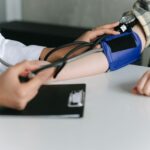
The only way to know your blood pressure is to measure it. Home monitors are widely available and reasonably accurate when used correctly. Your clinician can also check it at appointments, but a single reading in a clinic setting can be higher than your true average due to anxiety, sometimes called white-coat hypertension.



How Is Blood Pressure Measured and What Is Normal?
Blood pressure is recorded as two numbers. The top number, systolic pressure, measures the force when your heart beats. The bottom number, diastolic pressure, measures the force between beats when your heart rests.
Normal blood pressure is generally considered to be below 120/80 mmHg. Elevated blood pressure is 120–129 systolic with a diastolic below 80. Stage 1 hypertension is 130–139 systolic or 80–89 diastolic. Stage 2 hypertension is 140/90 or higher.
These are established clinical thresholds from major heart health organizations. If your readings fall into the elevated or hypertensive range, it is worth discussing with your clinician even if you feel fine.
Does Hormone Therapy Help or Hurt Blood Pressure?
The relationship between menopausal hormone therapy and blood pressure is more complex than many people assume. It is not a simple yes or no answer.
Oral estrogen, taken as a pill, can slightly increase blood pressure in some women because the liver processes it differently than other forms. Transdermal estrogen, delivered through a skin patch or gel, bypasses the liver and generally has a neutral or even slightly beneficial effect on blood pressure.
That said, hormone therapy is not prescribed primarily to manage blood pressure. It is used to treat bothersome menopausal symptoms like hot flashes and night sweats. If you are considering it, the decision should be made with your clinician based on your personal risk profile, including your blood pressure and cardiovascular history.
Some studies suggest that starting hormone therapy during the menopausal transition, rather than years later, may offer more cardiovascular benefit. But the evidence is not strong enough to recommend hormone therapy solely for heart protection.
What Lifestyle Changes Actually Lower Blood Pressure After Menopause?
The standard advice for lowering blood pressure applies to menopausal women, but the emphasis may shift slightly given the hormonal changes at play.
Reducing sodium intake is one of the most effective dietary changes. Most adults consume far more salt than the recommended limit, and cutting back can produce measurable drops in blood pressure. This does not mean a tasteless diet. It means reading labels, cooking more at home, and being aware of hidden sodium in processed foods.
Increasing potassium intake also helps counterbalance sodium. Potassium-rich foods include bananas, leafy greens, potatoes, and beans. Most people do not get enough potassium in their daily diet.
Regular physical activity is another pillar. The recommendation is at least 150 minutes of moderate-intensity aerobic exercise per week, such as brisk walking. Strength training also contributes to blood pressure control and supports bone health, which becomes increasingly important after menopause.
Limiting alcohol is also relevant. More than one drink per day for women is associated with higher blood pressure. Reducing intake can help lower readings.
Weight management deserves attention, particularly if weight has increased around the abdomen during menopause. Fat stored in this area is metabolically active and can raise blood pressure. But weight loss should not be framed as a moral issue. It is a physiological factor that interacts with hormones and blood vessel function.
When Should You See a Doctor About Blood Pressure During Menopause?
If you are in perimenopause or menopause and have not had your blood pressure checked in the past year, schedule an appointment. This is especially important if you have a family history of high blood pressure or heart disease.
If you are already monitoring at home and consistently see readings of 130/80 or higher, bring this information to your clinician. They may recommend lifestyle changes first, or they may suggest medication depending on your overall risk profile.
If you experience a sudden spike in blood pressure above 180/120, seek emergency care. This is a hypertensive crisis and requires immediate medical attention, regardless of whether you feel symptoms.
It is also worth noting that some blood pressure medications are more commonly prescribed for menopausal women due to the hormonal influences on the renin-angiotensin system, which regulates blood pressure. Your clinician will choose based on your individual needs.
Can Menopause Increase Blood Pressure Permanently?
Menopause itself does not permanently damage your blood pressure regulation, but the changes it sets in motion can persist. Blood vessels that have become stiffer do not automatically return to their pre-menopausal state once the transition is complete.
This is why blood pressure tends to be higher in postmenopausal women compared to premenopausal women of the same age. The hormonal decline has a lasting effect on vascular health.
The good news is that blood pressure can still be managed effectively after menopause. Whether through lifestyle changes, medication, or a combination of both, most women can achieve healthy readings. The key is to treat it as an ongoing part of health management rather than a temporary issue that will resolve on its own.
Frequently Asked Questions
At what age does menopause-related high blood pressure typically start?
Blood pressure often begins to rise during perimenopause, which typically starts in the mid-to-late 40s. The increase can continue through the transition and into the postmenopausal years.
Can hot flashes predict high blood pressure?
Some research suggests a link between frequent hot flashes and higher blood pressure, but hot flashes are not a reliable predictor. The only accurate way to know your blood pressure is to measure it.
Is high blood pressure during menopause reversible?
Blood pressure can often be lowered to a healthy range with lifestyle changes and medication, but the underlying vascular changes from estrogen decline are not fully reversible. Management is ongoing rather than a one-time fix.
Does taking estrogen after menopause lower blood pressure?
Transdermal estrogen may have a neutral or slightly beneficial effect on blood pressure, while oral estrogen can raise it in some women. Hormone therapy is not prescribed primarily for blood pressure management, and any decision should be made with your clinician.
