
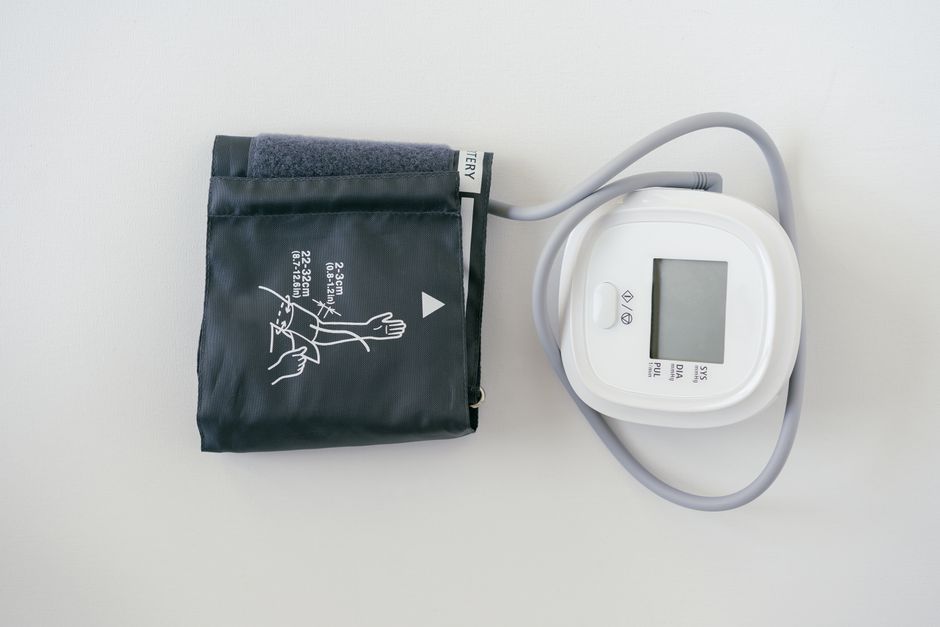
Low blood pressure is often viewed as a good thing, but it can also signal an underlying health problem. Most doctors consider blood pressure low when it drops below 90/60 mmHg. For many healthy people, this causes no symptoms and is simply normal. The danger arises when this reading comes with symptoms like dizziness, fainting, or confusion, which means your brain and organs may not be getting enough blood flow. You should treat it as serious when symptoms appear suddenly, when you pass out, or when the drop is linked to bleeding, infection, or a severe allergic reaction.
What Is Low Blood Pressure A Sign Of And When Its Serious?
Low blood pressure is a sign that your circulatory system cannot maintain enough pressure to push blood to all your organs. It is serious when the pressure is so low that organs fail to receive adequate oxygen. The medical term for this is hypotension, and the threshold is typically a reading below 90/60 mmHg. However, the number alone does not tell the full story. A person with a baseline of 100/70 who suddenly drops to 85/55 is in trouble, even if that lower number is technically “mild” hypotension.
Seriousness depends on symptoms and the speed of the drop. A slow, gradual decline that causes mild lightheadedness is different from a sudden collapse. Acute, symptomatic hypotension can lead to shock, a life-threatening condition where organs begin to fail. If low blood pressure is accompanied by chest pain, shortness of breath, cold clammy skin, or a rapid weak pulse, this is a medical emergency.
What Causes Blood Pressure to Drop Suddenly?
A sudden drop in blood pressure usually has one of several distinct causes. The most common is a change in body position, called orthostatic or postural hypotension. When you stand up quickly, gravity pulls blood into your legs. Normally, your nervous system tightens blood vessels to compensate. If this reflex is slow or weak, blood pools in the legs and blood pressure falls. This is common in older adults, in people who are dehydrated, and as a side effect of many blood pressure medications.
Dehydration is another frequent cause. When your body loses more water than it takes in, blood volume shrinks. Less volume means less pressure against vessel walls. Vomiting, diarrhea, excessive sweating, and not drinking enough fluids can all trigger this. Heat exposure amplifies the effect because blood vessels dilate near the skin to release heat, which further lowers pressure.
Bleeding is a more dangerous cause. Internal bleeding from an injury, a stomach ulcer, or a ruptured blood vessel can rapidly reduce blood volume. This is a true emergency. Severe infection, known as sepsis, also causes blood pressure to crash. The immune response dilates blood vessels so much that pressure falls to dangerous levels. Anaphylaxis, a severe allergic reaction, does the same thing within minutes of exposure to an allergen.
What Medical Conditions Cause Chronic Low Blood Pressure?
Some people live with low blood pressure every day and feel fine. This is often called constitutional hypotension. It is more common in young, thin women and is generally not a cause for concern. But chronic low blood pressure can also stem from medical conditions that need attention.
Endocrine disorders are one category. Addison’s disease, where the adrenal glands fail to produce enough cortisol, causes low blood pressure along with fatigue and darkening of the skin. Hypothyroidism slows metabolism and can lower heart rate and blood pressure. Diabetes can damage the nerves that control blood vessel tone, leading to orthostatic hypotension.
Neurological conditions such as Parkinson’s disease frequently affect blood pressure regulation. Damage to the autonomic nervous system, which controls involuntary functions, disrupts the body’s ability to adjust pressure. Certain medications are also a leading cause. Diuretics, alpha-blockers, beta-blockers, and some antidepressants all list hypotension as a side effect. Even over-the-counter medications can contribute, especially when combined.
Pregnancy is a normal cause. Blood pressure typically falls during the first 24 weeks because hormones relax blood vessel walls. This is usually harmless, but it should be monitored because a sudden rise later in pregnancy can signal preeclampsia.



What Symptoms Mean Low Blood Pressure Is Becoming Dangerous?
The earliest warning signs are often subtle. You may feel lightheaded, especially when standing. Your vision might blur or dim. You may feel unusually tired or weak. These symptoms mean your brain is getting slightly less blood flow than it needs. They are the body’s first alert that pressure is falling.
More serious symptoms require immediate attention. Fainting, also called syncope, means blood flow to the brain dropped enough to cause loss of consciousness. Confusion or difficulty speaking indicates the brain is struggling. Chest pain, rapid shallow breathing, and cold pale or bluish skin point to shock. A weak rapid pulse is another red flag. If someone has these symptoms, do not wait to see if they improve. Seek emergency care.
One important distinction is between symptoms that come and go and symptoms that persist. Occasional lightheadedness when standing is common and often manageable. But if you faint, or if dizziness happens every time you stand, you need a medical evaluation. There may be an underlying condition that can be treated.
How Is Low Blood Pressure Diagnosed and Treated?
Diagnosis starts with simple blood pressure measurements. Your doctor may check your pressure lying down, sitting, and standing to see how it changes. A drop of 20 mmHg in systolic pressure or 10 mmHg in diastolic pressure within three minutes of standing confirms orthostatic hypotension. Your doctor will also review your medications, because adjusting them often resolves the problem.
Blood tests can identify underlying causes. A complete blood count checks for anemia or blood loss. Electrolyte levels reveal dehydration. Kidney function tests and hormone panels can detect endocrine problems. An electrocardiogram checks for heart rhythm issues that might affect pressure.
Treatment depends entirely on the cause. For dehydration, increasing fluid intake is the first step. For medication-induced hypotension, your doctor may lower the dose or switch drugs. For orthostatic hypotension, simple countermeasures help: standing up slowly, flexing leg muscles before rising, and wearing compression stockings to keep blood from pooling in the legs. Salt intake may be increased, but only under medical guidance, because excess salt is harmful for people with heart or kidney conditions.
If an underlying condition like Addison’s disease or thyroid disorder is found, treating that condition usually corrects the blood pressure. Medications that raise blood pressure, such as fludrocortisone or midodrine, exist but are reserved for cases that do not respond to other measures. They are not first-line treatments because they carry side effects.
When Should You See a Doctor for Low Blood Pressure?
See a doctor if you have symptoms of low blood pressure more than once. Recurrent dizziness, fainting, or prolonged fatigue after standing are worth investigating. You should also seek care if you have a chronic condition like diabetes or heart disease and your blood pressure readings are trending lower than usual.
Go to the emergency room immediately if low blood pressure comes with fainting, chest pain, shortness of breath, severe headache, blurred vision, or signs of bleeding. Also seek emergency care if you suspect an allergic reaction, an infection, or internal blood loss. These situations can deteriorate quickly, and the cause of the drop needs urgent treatment.
For most people, the occasional dizzy spell when standing is not a reason to panic. But it is worth mentioning at your next checkup, especially if you take blood pressure medication. Your doctor can determine whether your low reading is a harmless quirk or a sign that something needs attention.
Frequently Asked Questions
Is 90/60 blood pressure too low?
90/60 mmHg is the lower limit of normal, and many healthy people live at this level without symptoms. It only becomes a concern if you experience dizziness, fainting, or other symptoms of reduced blood flow.
Can low blood pressure cause a heart attack?
Low blood pressure does not cause heart attacks, but it can be a sign of one in progress. A sudden drop in pressure during a heart attack indicates the heart is failing to pump effectively and requires emergency care.
What should I do if I feel dizzy from low blood pressure?
Sit or lie down immediately to prevent a fall and raise your legs above heart level if possible. Drink water if dehydration is likely, and do not stand up quickly until the dizziness passes.
Can anxiety cause low blood pressure?
Anxiety typically raises blood pressure rather than lowering it. However, anxiety can cause hyperventilation, which may lead to a temporary drop, and fainting triggered by emotional stress is a recognized phenomenon.
