
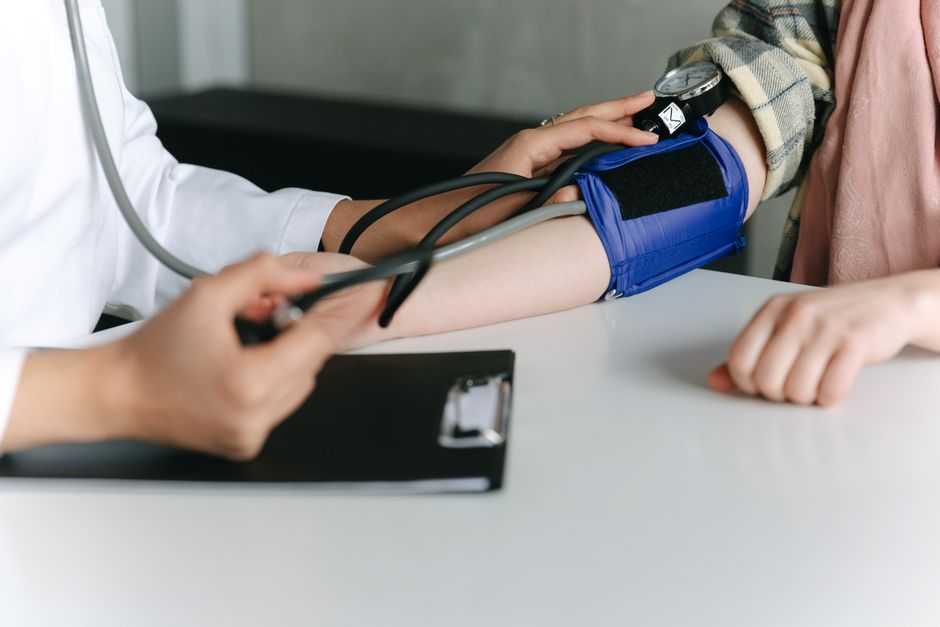
If your blood pressure is suddenly high, the fastest way to bring it down is to sit quietly, breathe slowly, and take any medication your doctor has already prescribed for this exact situation. For most people, a single episode of high blood pressure will begin to drop within 30 to 60 minutes of resting and breathing deeply. However, if you are experiencing symptoms like chest pain, shortness of breath, or severe headache along with a very high reading, you need emergency medical care immediately—do not wait to see if it comes down on its own.
How Quickly Can Blood Pressure Actually Drop?
The speed of a blood pressure drop depends entirely on the method used. There is no magic food or drink that works in minutes. The fastest reliable methods are physical and behavioral, not dietary.
Slow, deep breathing can lower blood pressure within a few minutes. Research shows that taking about six breaths per minute for five minutes can reduce systolic pressure by several points. This works because slow breathing triggers the parasympathetic nervous system, which relaxes blood vessel walls.
Resting in a quiet room also works quickly. Simply sitting down, putting your feet flat on the floor, and closing your eyes for 10 to 15 minutes can allow a stress-related spike to settle. If anxiety or pain caused the spike, removing yourself from that trigger is the fastest intervention available.
What Works Immediately for a High Reading
If you have a home monitor and get a concerning reading, the first step is to take it again after five minutes of quiet rest. Many people get falsely high readings because they walked up stairs, talked during the measurement, or had a full bladder. A proper re-test often shows a much lower number.
For genuinely high readings without symptoms, these actions can help within 30 to 60 minutes:
- Sit upright with your back supported and feet flat on the floor. Do not cross your legs.
- Breathe slowly — inhale for four seconds, exhale for six seconds. Repeat for five minutes.
- Drink a glass of water if you may be dehydrated. Dehydration can raise blood pressure by reducing blood volume.
- Avoid caffeine and nicotine — both are stimulants that can keep pressure elevated.
These measures are for temporary management, not treatment. They do not fix the underlying cause of chronic hypertension.
Why Certain Foods and Drinks Are Not Fast Solutions
You may have seen claims that beet juice, dark chocolate, or garlic can lower blood pressure quickly. These foods have some evidence for long-term benefit, but none of them works in minutes or even hours.
Dietary changes lower blood pressure over weeks and months. The DASH diet, which is rich in vegetables, fruits, whole grains, and low-fat dairy, can reduce systolic blood pressure by several points within two to four weeks. That is genuinely fast for a dietary intervention, but it is not “right now” fast.
Potassium-rich foods like bananas and spinach help because potassium balances sodium’s effect on blood pressure. But your kidneys process this slowly. Eating a banana will not change your reading in the next hour.

When Medication Is the Right Fast Option
If you have been prescribed a short-acting blood pressure medication for occasional spikes, take it exactly as directed. These medications, such as certain beta-blockers or ACE inhibitors, can lower blood pressure within 30 to 60 minutes. They are intended for people who have a documented pattern of dangerous spikes and a plan from their doctor.
Never take someone else’s blood pressure medication. Never double your own dose because a reading looks high. Rapid, uncontrolled drops in blood pressure can cause fainting, falls, and reduced blood flow to the brain and heart.
If you do not have a prescribed rescue medication, do not improvise with over-the-counter drugs. No OTC product is approved for acute blood pressure lowering.
When a High Reading Is an Emergency
A hypertensive crisis is a systolic reading of 180 mmHg or higher, or a diastolic reading of 120 mmHg or higher. If you get this reading and have no symptoms, sit quietly for five minutes and re-check. If it stays that high, call your doctor or seek medical advice the same day.
If you get that reading and have any of the following symptoms, go to an emergency room immediately:
- Chest pain or pressure
- Shortness of breath
- Severe headache, especially with confusion
- Vision changes
- Numbness or weakness on one side of the body
- Difficulty speaking
These symptoms can indicate organ damage from extremely high pressure. This is not something to manage at home. Emergency treatment with IV medications can lower blood pressure safely within minutes, but this must happen under medical supervision.
Long-Term Habits That Lower Blood Pressure Over Weeks
For sustained reduction, lifestyle changes are the foundation. They do not work fast, but they work reliably.
Regular aerobic exercise lowers blood pressure by about 5 to 8 mmHg on average. This effect appears after about four weeks of consistent exercise, with full benefit around three months. Walking briskly for 30 minutes most days of the week is enough to see this effect.
Reducing sodium intake works within one to two weeks. Most Americans consume more sodium than their bodies need. Cutting back to about 1,500 to 2,300 mg per day can lower systolic pressure by 2 to 8 mmHg, depending on how salt-sensitive you are.
Weight loss has a clear dose-response relationship. Losing about 1 kilogram (2.2 pounds) of body weight reduces systolic blood pressure by roughly 1 mmHg. This effect accumulates over months as weight comes off.
Limiting alcohol to no more than one drink per day for women and two for men also helps. Heavy drinking raises blood pressure directly, and cutting back produces measurable improvement within weeks.
What the Research Actually Shows About Fast Reduction
Clinical trials have tested several rapid interventions. Slow breathing has the strongest evidence for immediate effect. Studies published in peer-reviewed journals have consistently shown that device-guided slow breathing at six breaths per minute reduces both systolic and diastolic pressure during and shortly after the session.
Isometric handgrip exercises have also shown benefit, but the effect develops over several weeks, not minutes. Cold water immersion, sometimes promoted online, causes a temporary spike in blood pressure, not a drop. It should not be used as a home remedy.
Some research suggests that acute stress reduction techniques like guided imagery or progressive muscle relaxation can lower blood pressure in a single session. The effect is modest and temporary, but it is real and it is fast.
Why Home Monitoring Matters
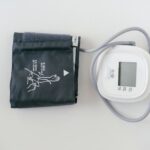
If you have high blood pressure, a home monitor gives you data your doctor needs. Readings taken at home are often more accurate than office readings because they avoid “white coat syndrome” — the anxiety-induced spike that happens in medical settings.
Take readings at the same times each day. Sit quietly for five minutes first. Take two readings one minute apart and record both. Bring this log to your appointments.
Do not obsess over single readings. Blood pressure naturally fluctuates throughout the day. It is lowest during sleep and highest in the morning. A single high reading is not a diagnosis of uncontrolled hypertension. Patterns matter more than individual numbers.
Frequently Asked Questions
Can drinking water lower blood pressure fast?
Only if you are dehydrated. Mild dehydration can raise blood pressure, so replacing fluids may help within 30 to 60 minutes. If you are well-hydrated, drinking more water will not change your reading.
How long does it take for deep breathing to lower blood pressure?
Slow breathing at about six breaths per minute can lower blood pressure within five minutes. The effect lasts as long as you continue the breathing pattern, then gradually fades.
Is a blood pressure reading of 150/90 dangerous?
A single reading of 150/90 is elevated but not an emergency if you have no symptoms. Re-check after five minutes of quiet rest, and contact your doctor if it stays elevated on multiple readings.
Can stress cause sudden high blood pressure?
Yes. Acute stress triggers a surge of adrenaline and cortisol that can raise blood pressure within minutes. This is temporary and should resolve as the stress passes.
