
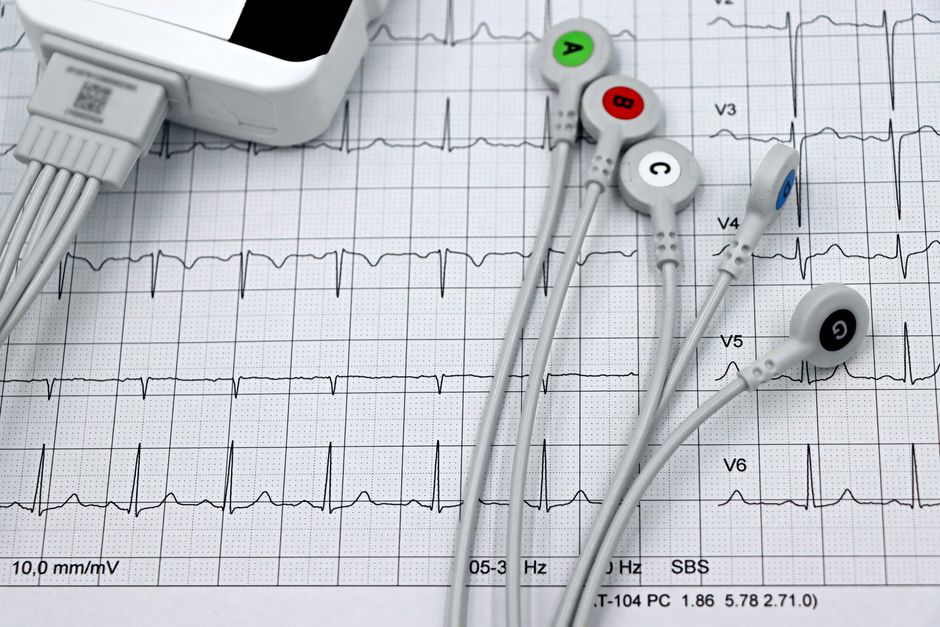
Diagnosing a traumatic brain injury (TBI) requires a combination of a physical exam, neurological checks, imaging scans like CT or MRI, and sometimes blood tests. Doctors use these tools to determine the severity of the injury, from a mild concussion to a life-threatening bleed. The process starts immediately after injury, often in an emergency room, and focuses on ruling out dangerous complications like brain bleeds or swelling.
What Happens During the Initial Physical Exam?
The first step in diagnosing a TBI is a thorough physical and neurological exam. This happens right away, often in the emergency department. The doctor checks your vital signs, including blood pressure, heart rate, and breathing. They also look for visible signs of head trauma, such as bruising, swelling, or cuts.
The neurological exam is the core of this assessment. The doctor tests your pupil response to light, your eye movements, and your reflexes. They will ask you simple questions to check your memory and orientation. You might be asked what day it is, where you are, and what happened. This helps establish your baseline mental status.
Doctors use the Glasgow Coma Scale (GCS) to score your level of consciousness. This is a standardized 15-point test. It measures eye opening, verbal response, and motor response. A score of 13 to 15 is considered mild, 9 to 12 is moderate, and 8 or below is severe. This score is a critical early indicator of injury severity.
The exam also tests your coordination and strength. You may be asked to touch your nose with your finger, walk in a straight line, or squeeze the doctor’s hand. These tests check how well your brain is communicating with your body. Any weakness, numbness, or loss of coordination can point to specific areas of brain damage.
Which Imaging Scans Are Used for TBI?
Imaging scans are essential when a moderate or severe TBI is suspected. They are also used when symptoms are concerning, even after a mild injury. The two main types of imaging used are CT scans and MRI scans. Each has a specific role in diagnosis.
A CT scan (computed tomography) is the first-line imaging test for TBI. It is fast, widely available, and excellent at detecting bleeding in or around the brain. It can quickly identify skull fractures, contusions (bruises), and blood clots like epidural or subdural hematomas. A CT scan is often done within minutes of a patient arriving at the hospital with a head injury.
An MRI (magnetic resonance imaging) provides a more detailed picture of brain tissue. It is better at showing damage that a CT scan might miss, such as diffuse axonal injury, which involves damage to the brain’s white matter. MRIs are not usually done in the emergency setting because they take longer. They are often used days or weeks later to evaluate ongoing symptoms or to get a clearer picture of the injury.
The choice between CT and MRI depends on the situation. If a patient has severe symptoms, a CT is done first. If symptoms persist but the CT is normal, an MRI may be ordered later. Doctors do not scan every person who bumps their head. They use specific clinical guidelines to decide who needs imaging.
How Do Doctors Decide Who Needs a Scan?
Not everyone with a head injury needs a CT scan. Over-scanning exposes patients to unnecessary radiation. Doctors use established criteria to determine who is at higher risk for a brain bleed. These criteria are based on the mechanism of injury and the patient’s symptoms.
High-risk factors include loss of consciousness, vomiting more than once, severe headache, and a seizure. Age matters too. People over 60 and young children are at higher risk for complications. Taking blood thinners also increases the risk of bleeding, which makes a scan more likely.
If a patient has no loss of consciousness, no vomiting, and a normal neurological exam, a scan may not be necessary. The doctor may instead recommend observation at home with clear instructions. This approach is based on strong clinical evidence and is designed to avoid unnecessary tests.
Clinical decision rules, such as the Canadian CT Head Rule, help guide these choices. These rules are widely used in emergency medicine. They help doctors identify patients who truly need imaging while safely avoiding scans in low-risk patients.
Can Blood Tests Diagnose a TBI?
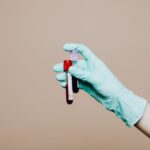
Blood tests are a newer and rapidly developing tool for TBI diagnosis. They do not replace scans or exams, but they add valuable information. These tests measure specific proteins that are released into the bloodstream when brain cells are damaged. Their main role is to reduce unnecessary CT scans.
The two most studied biomarkers are UCH-L1 and GFAP. These proteins are found in brain cells. When those cells are injured, the proteins leak into the blood. A blood test can detect them within hours of an injury. Their presence indicates that brain damage has occurred, even if the CT scan is normal.
These tests are not used alone to diagnose a TBI. They are used as a triage tool. If the blood test is negative for these biomarkers, the likelihood of a serious brain bleed on CT is very low. This allows doctors to safely avoid a CT scan in some patients, reducing radiation exposure and healthcare costs.
Blood tests are not yet a universal standard of care in every hospital. Their availability is growing, but they are not a replacement for clinical judgment. They are best understood as an additional layer of information that helps doctors make more precise decisions.
What Is the Role of Neuropsychological Testing?
Neuropsychological testing is a detailed assessment of brain function. It is not used in the emergency room. Instead, it is used weeks or months after an injury to evaluate cognitive function. This testing is especially valuable for people with persistent symptoms after a mild TBI, often called post-concussion syndrome.
These tests measure memory, attention, problem-solving, and processing speed. They also assess mood and emotional changes. The results provide a detailed picture of how the injury has affected daily functioning. This information helps guide rehabilitation and return-to-work decisions.
Baseline testing is commonly used in sports. Athletes complete cognitive tests before the season starts. If they later sustain a head injury, the results are compared to their baseline. This comparison helps determine when it is safe to return to play.
Neuropsychological testing is not a diagnostic scan. It does not show images of the brain. Instead, it measures how the brain performs. It is a functional assessment, not a structural one. Both types of information are valuable for a complete diagnosis.
How To Diagnose TBI Exams Scans And Blood Tests: The Full Picture
Diagnosing a TBI is rarely a single event. It is a process that unfolds over time. The initial exam provides immediate information about consciousness and neurological function. Scans reveal structural damage. Blood tests add molecular evidence of injury. Each piece contributes to the full picture.
The diagnosis also evolves. A patient may be diagnosed with a mild TBI in the emergency room but later develop persistent symptoms that require further evaluation. The initial diagnosis is not always the final one. Ongoing assessment is a normal part of TBI care.
No single test is perfect. A normal CT scan does not rule out a concussion. A negative blood test does not mean there is no injury. Doctors combine all available information to make the most accurate diagnosis possible. This comprehensive approach is the current standard of care.
What Happens After the Diagnosis?
Once a TBI is diagnosed, the next step is determining the appropriate care. Mild TBIs usually require rest and gradual return to normal activities. This includes limiting screen time, avoiding alcohol, and getting adequate sleep. Most people recover fully within weeks.
Moderate to severe TBIs require hospitalization. Patients may need surgery to relieve pressure on the brain or remove blood clots. Rehabilitation is often necessary, including physical therapy, occupational therapy, and speech therapy. Recovery can take months or years.
Follow-up care is important for all TBI patients. Doctors monitor for complications like seizures, chronic headaches, or cognitive decline. Some patients benefit from cognitive rehabilitation to address memory and attention problems. The goal is always to maximize recovery and quality of life.
Frequently Asked Questions
What is the fastest way to diagnose a TBI?
A physical exam and Glasgow Coma Scale score provide the fastest initial assessment of a TBI. A CT scan is the quickest imaging test to detect bleeding or fractures.
Can a blood test detect a concussion?
Blood tests can detect brain injury biomarkers, but they are not a standalone test for concussion. They help doctors decide if a CT scan is needed, not replace clinical diagnosis.
How long after a head injury should you get checked?
Seek immediate medical attention if you lose consciousness, vomit, have a severe headache, or experience confusion after a head injury. Even without these symptoms, evaluation within 24 hours is recommended if you have any concerns.
Is a normal CT scan a guarantee there is no brain injury?
No. A normal CT scan means there is no bleeding or skull fracture, but it cannot rule out a concussion or microscopic brain damage. An MRI or neuropsychological testing may be needed for a fuller picture.
