
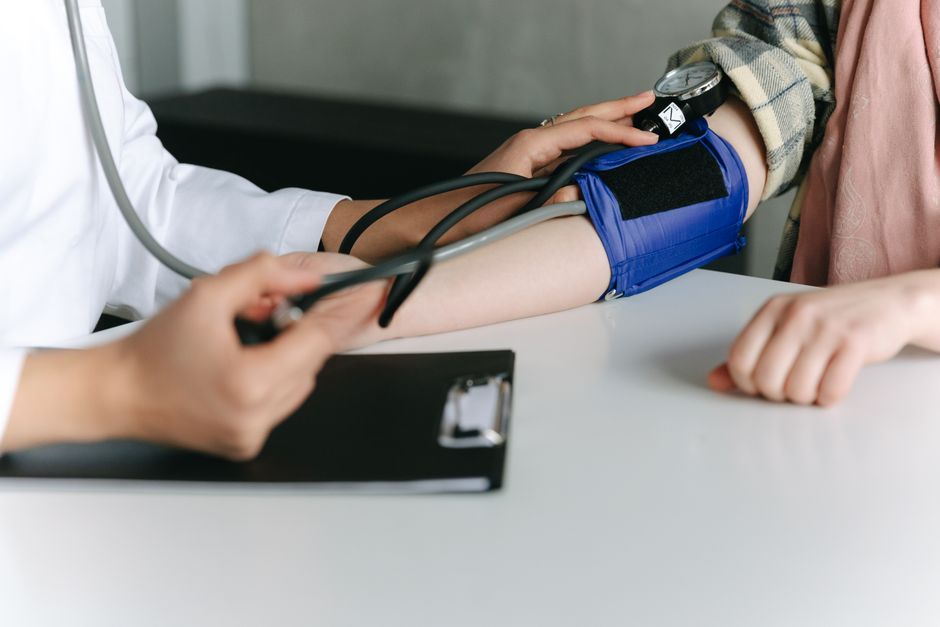
High blood pressure is diagnosed with a blood pressure reading, but one reading is rarely enough. A diagnosis of hypertension typically requires multiple elevated readings taken on separate occasions, either in a medical office or at home. The process uses a blood pressure cuff and a stethoscope or an automated device, and the results are measured in millimeters of mercury (mmHg) as two numbers: systolic over diastolic.
What Do Blood Pressure Readings Actually Mean?
Your blood pressure reading has two numbers. The top number is systolic pressure, which measures the force in your arteries when your heart beats. The bottom number is diastolic pressure, which measures the force between beats when your heart rests.
Normal blood pressure is below 120/80 mmHg. Elevated blood pressure is 120–129 systolic with a diastolic below 80. Stage 1 hypertension is 130–139 systolic or 80–89 diastolic. Stage 2 hypertension is 140 or higher systolic or 90 or higher diastolic. A hypertensive crisis is anything above 180/120 and requires immediate medical attention.
These categories come from established guidelines used by major medical organizations. They are consistent across most clinical settings in the United States.
How To Diagnose High Blood Pressure Readings Tests
The diagnosis of high blood pressure is not made from a single reading. If your first reading is elevated, your clinician will typically repeat the measurement after a few minutes to confirm. If it remains high, you may be asked to monitor your blood pressure at home or wear an ambulatory monitor for 24 hours.
Home monitoring is a standard part of the diagnostic process. Your clinician may ask you to take readings twice a day, usually in the morning and evening, for a week or more. Each session should include two readings taken one minute apart. The average of these readings helps your clinician decide whether you have hypertension.
Ambulatory blood pressure monitoring involves wearing a device that takes readings every 20 to 30 minutes over 24 hours. This method captures your blood pressure during normal daily activities and sleep. It is considered the most accurate way to diagnose hypertension because it avoids the anxiety-related elevations that can occur in a medical office.
Why a Single High Reading Is Not a Diagnosis
Blood pressure naturally fluctuates throughout the day. Physical activity, stress, caffeine, and even the act of talking can raise it temporarily. A single high reading in a doctor’s office may simply reflect the situation rather than your usual state.
White coat hypertension is a well-documented phenomenon. Some people consistently show high readings in medical settings but normal readings elsewhere. The opposite condition, masked hypertension, occurs when readings are normal in the office but high at home. Both conditions are why repeated measurements matter.
Your clinician will also check that the measurement technique is correct. The cuff size must match your arm circumference. Your arm should be supported at heart level. You should sit quietly for five minutes before the reading with your feet flat on the floor and your back supported. Small errors in technique can shift readings by several points.


How to Prepare for an Accurate Blood Pressure Reading
Preparation directly affects the accuracy of your reading. Avoid caffeine, exercise, and smoking for at least 30 minutes before a measurement. Empty your bladder first, because a full bladder can raise blood pressure. Sit quietly for five minutes before the reading begins.
Do not talk during the measurement. Conversation can raise systolic pressure by 10 to 15 mmHg. Keep your arm resting on a flat surface at heart level. Crossed legs can also raise readings, so keep both feet flat on the floor.
If you are measuring at home, use a validated upper-arm monitor rather than a wrist or finger device. Upper-arm monitors are generally more reliable. Check that the cuff fits properly and replace the device if it is damaged or if readings seem inconsistent with how you feel.
Confirming the Diagnosis With Additional Tests
Once elevated readings are confirmed, your clinician will usually order basic tests to assess your overall health. These may include a blood test for kidney function, electrolytes, and blood sugar. A urine test can check for protein, which may indicate kidney damage.
An electrocardiogram, or ECG, may be done to check for heart strain or an enlarged heart. Some clinicians order a lipid panel to measure cholesterol, since high blood pressure and high cholesterol often occur together. These tests do not diagnose high blood pressure itself, but they help determine whether hypertension has already caused damage.
Your clinician will also review your medical history and risk factors. Family history, age, race, and lifestyle factors such as diet, alcohol use, and physical activity all contribute to your overall cardiovascular risk. This information shapes how aggressively your blood pressure should be treated if hypertension is confirmed.
What Happens After the Diagnosis
A confirmed diagnosis of hypertension does not automatically mean medication. For stage 1 hypertension without other cardiovascular risk factors, lifestyle changes are often the first step. These include reducing sodium intake, increasing physical activity, maintaining a healthy weight, limiting alcohol, and managing stress.
If your blood pressure is stage 2, or if you have additional risk factors such as diabetes or kidney disease, medication may be recommended alongside lifestyle changes. Several classes of blood pressure medications exist, and the choice depends on your age, other health conditions, and how your body responds.
Follow-up is essential. Blood pressure should be rechecked regularly to confirm that treatment is working and to adjust it if needed. Many people need more than one medication to reach their target. The goal is usually below 130/80 mmHg, though your clinician may set a different target based on your specific situation.
When to Seek Immediate Care
A reading of 180/120 or higher is a hypertensive crisis. If you have this reading and also experience chest pain, shortness of breath, back pain, numbness, weakness, vision changes, or difficulty speaking, seek emergency care immediately. These symptoms may indicate organ damage.
If your reading is 180/120 or higher but you have no symptoms, wait five minutes and recheck. If the reading remains high, contact your clinician or seek medical attention. Do not assume it will resolve on its own.
Do not stop or change blood pressure medications without talking to your clinician. Stopping suddenly can cause a dangerous spike in blood pressure. If you are concerned about side effects or effectiveness, discuss your options with your healthcare provider.
Frequently Asked Questions
How many high readings are needed to diagnose high blood pressure?
Most guidelines require at least two elevated readings on two separate occasions to confirm a diagnosis. Home monitoring over several days or 24-hour ambulatory monitoring may also be used to confirm the diagnosis.
Can I diagnose high blood pressure with a home monitor?
Home monitors are useful for tracking blood pressure, but a diagnosis should be confirmed by a clinician. Your clinician will interpret your home readings alongside office measurements and may recommend ambulatory monitoring for a definitive diagnosis.
What is the difference between white coat hypertension and real hypertension?
White coat hypertension is high blood pressure only in medical settings, with normal readings at home. Real hypertension is consistently high blood pressure in both settings. Ambulatory monitoring is the most reliable way to distinguish between the two.
Is a blood pressure of 130/80 considered high?
Yes, 130/80 mmHg is classified as stage 1 hypertension under current guidelines. It warrants monitoring and, depending on your overall cardiovascular risk, may require lifestyle changes or medication.
