
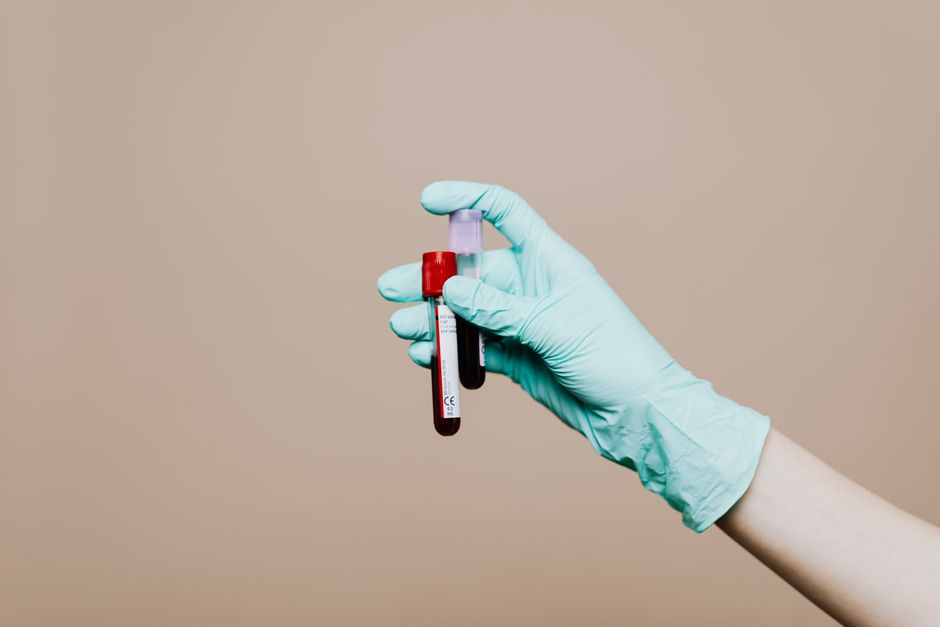
If your doctor says you need to fast before a blood test, it usually means no food and no drinks other than water for 8 to 12 hours. The most common tests that require fasting are fasting blood glucose and a lipid panel, which checks cholesterol and triglycerides. Fasting helps give your doctor a clear baseline reading, free from the temporary changes that food causes in your blood.
Why Do Some Blood Tests Require Fasting?
When you eat, your body breaks down food into glucose, fats, and other nutrients. These enter your bloodstream and change the levels of many substances. If a lab draws your blood right after a meal, the results will reflect what you just ate, not your body’s normal resting state.
Fasting creates a standard condition. This lets doctors compare your results to reference ranges that were established using fasting samples. It also removes the guesswork about whether an abnormal result came from your last meal or from an actual health problem.
Not every blood test needs fasting. But for the ones that do, following the instructions matters. A non-fasting sample can produce misleading results, which may lead to unnecessary worry or even the wrong treatment plan.
What Blood Tests Require Fasting And How Long?
The two most common fasting blood tests are fasting blood glucose and a lipid panel. For fasting blood glucose, you typically fast for 8 hours. For a lipid panel, the standard fasting time is 9 to 12 hours. Some newer guidelines suggest that a non-fasting lipid panel can work for routine screening, but many doctors still prefer fasting for the most accurate triglyceride reading.
Other tests that may require fasting include:
- Basic metabolic panel (BMP) — usually 8 to 12 hours
- Comprehensive metabolic panel (CMP) — usually 8 to 12 hours
- Hemoglobin A1c — does not require fasting, but some doctors order it fasting anyway
- Iron panel — usually 8 to 12 hours, often in the morning
- Vitamin B12 and folate — usually 8 hours
- Some hormone tests, like cortisol — timing matters more than fasting
Always confirm the exact fasting time with your doctor or the lab. Different clinics have different protocols, and the specific test you are getting matters.
What Counts as Fasting?
Fasting means no food and no caloric beverages. Water is allowed and encouraged. You should drink plenty of water before your blood draw because dehydration can make veins harder to find and can affect some test results.
Black coffee and plain tea are a gray area. Some labs allow them, others do not. Even without cream or sugar, caffeine can affect certain tests like glucose and cortisol. The safest approach is to ask your lab directly. If you cannot get an answer, skip the coffee until after the draw.
You should also avoid alcohol for at least 24 hours before a fasting blood test. Alcohol can affect liver enzymes, glucose levels, and triglycerides. Chewing gum and smoking can also alter some results, so avoid both during the fasting period.
Do You Need to Fast for a Complete Blood Count (CBC)?
No. A complete blood count, or CBC, measures red blood cells, white blood cells, and platelets. Food does not significantly change these levels. You can eat and drink normally before a CBC.
This is a common point of confusion. Many people assume every blood test requires fasting. That is not true. Tests like a CBC, thyroid panel, and most basic hormone tests do not need fasting. If you are unsure, check your lab order or call the office.
How to Prepare for a Fasting Blood Test
Preparation starts the night before. Schedule your blood draw for early morning so most of the fasting time happens while you sleep. For a 12-hour fast, stop eating by 8 p.m. if your appointment is at 8 a.m.
Take your regular medications unless your doctor tells you otherwise. Some medications need to be taken with food, and skipping them can be dangerous. Ask your doctor specifically about your prescriptions before the test.
If you have diabetes and take insulin or other glucose-lowering medication, fasting requires extra caution. Your doctor may adjust your medication dose for the morning of the test. Never skip your diabetes medication without discussing it with your doctor first.
What Happens If You Eat by Mistake?
If you accidentally eat something, do not pretend the test was fasting. Tell the person drawing your blood or call the lab. They will either reschedule the test or interpret the results with the understanding that you were not fasting.
For some tests, a non-fasting sample is still useful. For others, it is not. A fasting blood glucose from a non-fasting person is hard to interpret. A lipid panel from a non-fasting person may show elevated triglycerides that are simply from the meal.
Being honest about this is important. A misleading result can lead to unnecessary medication or a missed diagnosis. It is better to reschedule than to act on unreliable numbers.
Can You Drink Water Before a Fasting Blood Test?
Yes. Water does not affect most blood test results. Staying hydrated actually helps the blood draw go more smoothly because it keeps your veins fuller and your blood volume normal.
Drink a glass or two of water in the morning before your appointment. Avoid adding anything to it — no lemon, no flavor packets, no electrolytes. Plain water only.
Frequently Asked Questions
How long do you need to fast for a cholesterol test?
Most doctors recommend fasting for 9 to 12 hours before a lipid panel. Some newer guidelines allow non-fasting cholesterol tests for routine screening, but triglycerides are most accurate after a longer fast.
Can I drink coffee before a fasting blood test?
Plain water is the only drink that is clearly safe. Black coffee may be allowed by some labs, but caffeine can affect glucose and cortisol levels, so it is safer to skip it until after your blood is drawn.
Does a thyroid test require fasting?
No. Thyroid function tests, like TSH and free T4, do not require fasting. You can eat and drink normally, though some labs prefer that you take thyroid medication after the draw to avoid timing issues.
What happens if I fast too long before a blood test?
Fasting longer than 12 hours can affect some results, particularly glucose and triglycerides. Your body starts breaking down stored fat, which can raise triglyceride levels and change other values. Stick to the recommended window.
