
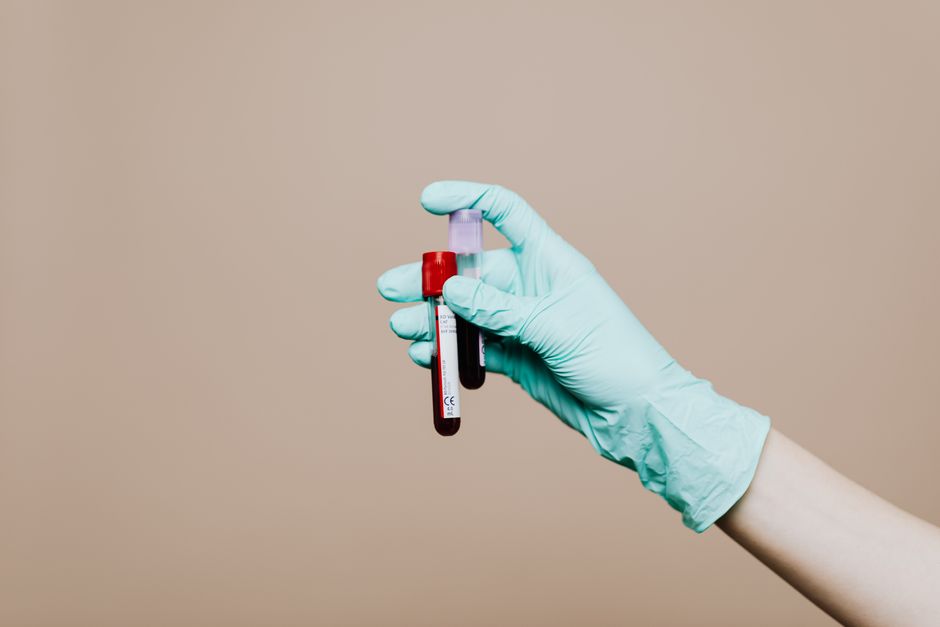
Chronic kidney disease (CKD) often shows no symptoms until it is advanced. That is why blood tests are the primary way doctors find it. The diagnosis relies on a simple blood test that measures a waste product called creatinine. From that number, a lab calculates your estimated glomerular filtration rate, or eGFR. This single value tells your doctor how well your kidneys are filtering blood and determines your CKD stage. Staging guides treatment decisions and helps track whether the disease is stable or progressing.
What Does an eGFR Blood Test Measure?
The eGFR is a calculation, not a direct measurement. Labs use your blood creatinine level, your age, and your sex to estimate how many milliliters of blood your kidneys filter per minute. A healthy adult kidney filters about 90 to 120 milliliters per minute. That number declines naturally with age, but a rapid or severe drop signals kidney damage.
Creatinine is a breakdown product of muscle activity. Your kidneys remove it from the blood. When kidney function declines, creatinine builds up. But creatinine alone is not enough. A 70-year-old and a 30-year-old can have the same creatinine level but very different kidney function. The eGFR formula corrects for this.
The most common formula used in the United States is called the CKD-EPI equation. It is more accurate than older formulas, especially at higher filtration rates. Some labs still use the MDRD formula, which is less accurate in younger people and in those with near-normal kidney function. If your lab uses MDRD, your eGFR may be lower than your true filtration rate.
What Are the Stages of CKD Based on eGFR?
Staging is straightforward. It is based entirely on your eGFR number. The higher the stage, the more advanced the kidney disease.
- Stage 1: eGFR 90 or above with evidence of kidney damage, such as protein in the urine.
- Stage 2: eGFR 60 to 89 with evidence of kidney damage.
- Stage 3a: eGFR 45 to 59.
- Stage 3b: eGFR 30 to 44.
- Stage 4: eGFR 15 to 29.
- Stage 5: eGFR below 15, which is kidney failure.
Stages 1 and 2 require evidence of kidney damage beyond a low eGFR. That evidence usually comes from a urine test showing protein or albumin. Without kidney damage, an eGFR above 60 is considered normal even if it is not perfect. Stage 3 and higher are diagnosed by eGFR alone.
Stage 3 is split into 3a and 3b because the risk of complications rises sharply once eGFR drops below 45. This distinction matters for treatment decisions. More aggressive blood pressure control and medication management typically begin at stage 3b.
How Do Doctors Diagnose CKD With Blood Tests and Staging?
The diagnosis process is consistent. A doctor orders a basic metabolic panel, which includes creatinine. The lab reports the eGFR automatically. If the eGFR is below 60, the test is repeated after three months to confirm the finding is persistent. A single low eGFR can result from dehydration, a urinary tract infection, or certain medications. Two low readings three months apart confirm CKD.
A single eGFR below 60 does not automatically mean CKD. It means you need another test. This is a common point of confusion. Many people panic after one borderline result when their doctor simply wants to recheck it.
The urine test is the other half of the diagnosis. It checks for albumin, a protein that should not pass through healthy kidney filters. The test is called a urine albumin-to-creatinine ratio, or UACR. A UACR above 30 milligrams per gram indicates kidney damage. This test is essential for diagnosing stages 1 and 2 and for assessing progression risk at any stage.


What Else Can Affect eGFR Accuracy?
eGFR is an estimate. It can be wrong in certain situations. Muscle mass is a major factor. A bodybuilder with high muscle mass produces more creatinine and may have a falsely low eGFR. A person with amputations or severe muscle wasting produces less creatinine and may have a falsely high eGFR.
Certain medications interfere with creatinine secretion. Trimethoprim, an antibiotic, and cimetidine, a stomach acid reducer, can raise creatinine without changing actual kidney function. This produces a falsely low eGFR. If you take either medication, tell your doctor before interpreting results.
Diet matters less than most people think. Eating a large steak before a blood test can temporarily raise creatinine, but the effect is small and usually not enough to change clinical decisions. Severe dehydration, however, can significantly lower eGFR. This is why repeat testing is so important.
How Often Should eGFR Be Checked?
Testing frequency depends on stage. People with stage 1 or 2 CKD typically need testing once a year. Stage 3a patients are usually tested every six months. Stage 3b and stage 4 patients are tested every three to six months. Stage 5 patients may need monthly testing.
These intervals are general clinical practice, not strict rules. Your doctor may test more often if your eGFR is dropping quickly or if you have diabetes or high blood pressure. A rapid decline, defined as a drop of more than 5 milliliters per minute per year, warrants closer monitoring.
People with diabetes should have eGFR and urine albumin checked at least annually even if their kidney function is normal. Diabetes is the leading cause of CKD. Early detection in diabetic patients is the single most effective way to slow progression.
What Do the Results Mean for Treatment?
The stage determines the treatment approach. Stage 1 and 2 CKD focuses on managing the underlying cause, usually diabetes or high blood pressure. Blood pressure targets and blood sugar control are the main interventions. No kidney-specific medications are typically started at these stages.
Stage 3 is where active management begins. Doctors often start medications that protect the kidneys, such as ACE inhibitors or ARBs. These drugs lower blood pressure and reduce protein leakage into the urine. They slow progression even in patients with normal blood pressure.
Stage 4 requires preparation for kidney replacement therapy. This includes meeting with a nephrologist, discussing dialysis options, and planning for a possible kidney transplant. Stage 5, kidney failure, requires dialysis or transplant to sustain life.
The eGFR is not the only factor in treatment decisions. Symptoms, age, other medical conditions, and the rate of decline all matter. A 40-year-old with an eGFR of 25 needs more aggressive management than an 85-year-old with the same number who feels well and has stable readings over several years.
Can eGFR Improve Once It Drops?
Yes, but only in specific situations. If the drop was caused by dehydration, a medication, or an acute kidney injury, correcting the cause can restore kidney function. The eGFR can return to baseline once the kidneys recover.
In chronic disease, eGFR rarely improves. The goal is to slow the decline, not reverse it. A stable eGFR over several years is considered a treatment success. Some patients misinterpret a stable eGFR as no progress. In reality, stability means the treatment is working.
Certain medications can cause a temporary eGFR drop that is actually protective. ACE inhibitors and SGLT2 inhibitors often reduce eGFR by 10 to 20 percent in the first few months of use. This is expected and not a reason to stop the medication. The long-term benefit outweighs the initial dip.
Frequently Asked Questions
What is a normal eGFR level?
A normal eGFR is 90 or above. Values between 60 and 89 are considered normal unless there is other evidence of kidney damage.
How many blood tests are needed to diagnose CKD?
Two abnormal eGFR readings taken at least three months apart are required. A single low reading can be caused by temporary factors like dehydration.
What is the difference between eGFR and creatinine?
Creatinine is the raw waste product measured in blood. eGFR is a calculated estimate of kidney filtration rate derived from creatinine, age, and sex.
Can I have kidney damage with a normal eGFR?
Yes. Stage 1 CKD means eGFR is normal but urine shows protein or other signs of damage. This is why urine testing matters alongside blood tests.
