
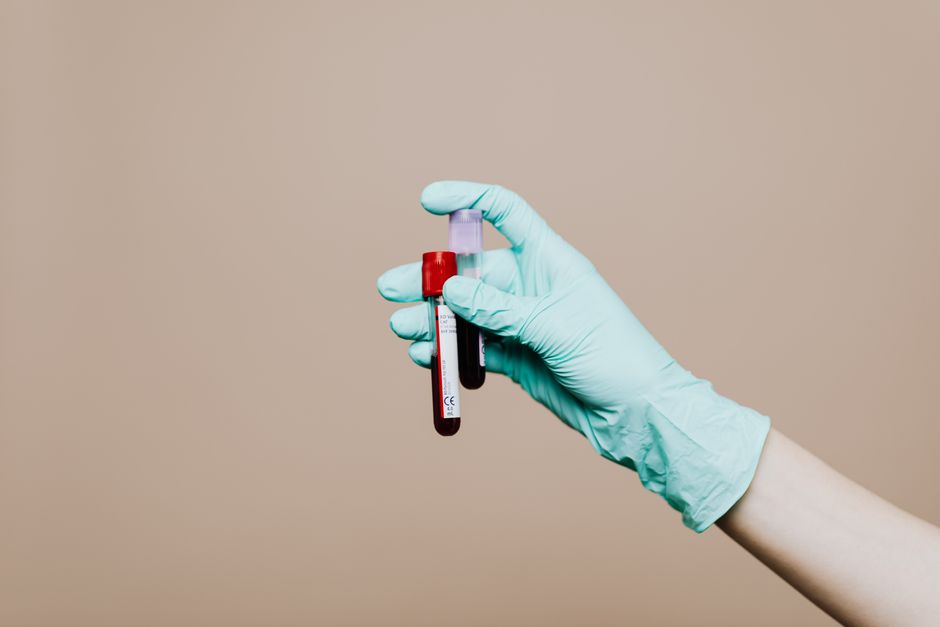
Your kidneys filter waste from your blood around the clock. When they start struggling, they send chemical signals into your bloodstream. A simple set of blood tests can catch those signals early, often before you feel any symptoms. The main tests are eGFR, BUN, and creatinine — and together they give your doctor a clear picture of how well your kidneys are working.
What Blood Tests Show Kidney Function Egfr Bun More?
Three blood tests form the core of kidney function testing: eGFR, BUN, and creatinine. The eGFR is calculated from your creatinine level and is the most important number for estimating overall kidney function. BUN measures urea nitrogen, a waste product your kidneys remove. Your doctor will usually order all three at once because each one adds a piece of the puzzle.
Creatinine is a breakdown product of muscle tissue. Your muscles produce it at a fairly steady rate, and healthy kidneys filter it out at a steady rate too. When creatinine builds up in your blood, it usually means your kidneys are not filtering as well as they should. The eGFR takes your creatinine level and adjusts it for factors like age, sex, and body size to estimate your actual filtration rate.
BUN stands for blood urea nitrogen. Urea is a waste product your liver makes when it breaks down protein. Like creatinine, it is filtered by the kidneys. But BUN can be affected by things other than kidney function, like dehydration, a high-protein diet, or bleeding in your digestive tract. That is why BUN is rarely interpreted on its own — it is most useful when compared to your creatinine level.
What Is eGFR and What Do the Numbers Mean?
eGFR stands for estimated glomerular filtration rate. It estimates how many milliliters of blood your kidneys filter per minute. A normal eGFR is 90 or above. Your doctor uses this number to stage chronic kidney disease, from mild (stage 1) to severe (stage 5).
An eGFR below 60 for three months or longer is considered chronic kidney disease. That does not mean your kidneys are failing — many people live well with an eGFR in the 30s or 40s. But it does mean your kidneys are working below normal capacity and need monitoring.
An eGFR below 15 is considered kidney failure. At that level, dialysis or a kidney transplant is usually needed to stay alive. The eGFR is not a perfect measurement, but it is the best standard tool doctors have for tracking kidney function over time.
One important detail: eGFR is an estimate, not a direct measurement. It can be less accurate in people with very high or very low muscle mass. Older adults naturally have a lower eGFR as part of normal aging, which does not always mean disease.
What Is Creatinine and Why Does It Matter?
Creatinine is a chemical waste product generated by normal muscle activity. Your muscles break down creatine, which produces creatinine. The amount you produce depends mostly on your muscle mass, so men typically have higher creatinine levels than women.
Healthy kidneys filter creatinine out of the blood completely. When kidney function drops, creatinine levels rise. A normal creatinine level is roughly 0.7 to 1.3 mg/dL for men and 0.6 to 1.1 mg/dL for women, though labs vary slightly.
Creatinine alone is not the most reliable test. A small change in kidney function can produce a large change in creatinine, but the reverse is also true — someone can have significant kidney damage and still have a normal-looking creatinine level. That is why doctors rely on the eGFR calculation rather than the raw creatinine number.
Creatinine is also affected by diet and lifestyle. Taking creatine supplements, eating large amounts of cooked meat, or doing intense weight training can raise your creatinine without meaning your kidneys are damaged. Dehydration can do the same thing.





What Is BUN and When Is It Useful?
BUN measures the amount of urea nitrogen in your blood. Urea is produced by your liver when it breaks down protein from your diet and from normal body processes. Your kidneys then filter urea out and excrete it in urine.
A normal BUN level is about 7 to 20 mg/dL. Higher levels can indicate reduced kidney function, but many other conditions raise BUN too. Dehydration, heart failure, a high-protein diet, gastrointestinal bleeding, and certain medications can all push BUN up.
Doctors often look at the BUN-to-creatinine ratio to get more information. A normal ratio is roughly 10:1 to 20:1. A high ratio can suggest dehydration or reduced blood flow to the kidneys, while a low ratio can suggest liver disease or malnutrition.
BUN is not a good standalone test for kidney disease. It is too easily influenced by things unrelated to the kidneys. But when paired with creatinine and eGFR, it helps your doctor understand whether kidney issues are due to the kidneys themselves or to something else like low blood flow.
What Other Tests Help Assess Kidney Function?
Blood tests give you one side of the story. A urine test gives you the other side. The most common urine test for kidney function is the urine albumin-to-creatinine ratio, or UACR. Albumin is a protein that should not normally pass into urine. When it does, it is a sign that the kidney filters are damaged.
A UACR below 30 mg/g is considered normal. A result between 30 and 300 mg/g indicates moderately increased albuminuria, and above 300 mg/g is severely increased. This test is especially important for people with diabetes or high blood pressure, since those conditions commonly damage the kidneys.
Your doctor may also order a cystatin C test. Cystatin C is a protein produced by all cells in your body at a constant rate. It is filtered by the kidneys, and it is less affected by muscle mass than creatinine. Some labs use cystatin C to calculate an eGFR that is more accurate in people with unusual body composition.
Imaging tests like a kidney ultrasound can show structural problems — kidney stones, cysts, tumors, or blockages. An ultrasound does not measure function directly, but it gives your doctor a look at the physical state of your kidneys. A kidney biopsy is reserved for cases where the cause of kidney disease is unclear.
Who Should Get Kidney Function Tests?
Kidney disease often produces no symptoms until it is advanced. That is why routine testing matters for people at higher risk. The main risk factors are diabetes, high blood pressure, heart disease, and a family history of kidney failure.
If you have diabetes, testing at least once a year is standard practice. The same applies if you have high blood pressure. People over 60 may also benefit from regular kidney function testing, since kidney function naturally declines with age.
Certain medications can damage the kidneys over time, including some over-the-counter pain relievers. If you take nonsteroidal anti-inflammatory drugs like ibuprofen or naproxen regularly, talk to your doctor about kidney monitoring. The same applies to certain blood pressure medications and some antibiotics.
If you notice symptoms like swelling in your ankles or face, foamy urine, or persistent fatigue, mention them to your doctor. These can be signs of kidney problems, but they are not specific — many other conditions cause them too. The only way to know is to test.
Frequently Asked Questions
What is a normal eGFR level?
A normal eGFR is 90 or above. Levels below 60 for three months or longer indicate chronic kidney disease.
Can dehydration affect kidney blood test results?
Yes, dehydration can raise both BUN and creatinine levels, which can temporarily lower your eGFR. Drinking water and retesting usually corrects this.
Do I need to fast before kidney function blood tests?
No, fasting is not required for creatinine, BUN, or eGFR tests. However, heavy protein consumption right before the test can temporarily raise your BUN.
How often should kidney function tests be done?
People with diabetes or high blood pressure should be tested at least once a year. Those with known kidney disease may need testing every 3 to 6 months depending on how advanced it is.
