

High blood sugar is a growing concern for millions of Americans, and the question of how to bring down high glucose levels naturally is one of the most common in medicine today. The short answer is that a combination of targeted dietary changes, consistent physical activity, and attention to sleep and stress can significantly lower blood glucose without medication. These methods work by improving how your body uses insulin and by reducing the amount of sugar entering your bloodstream at any given time. While natural approaches are powerful, they work best as part of a complete plan that includes regular monitoring and honest conversations with your healthcare provider.
Why Does Blood Sugar Rise in the First Place?
Your body runs on glucose, a simple sugar that fuels your cells. When you eat carbohydrates, they break down into glucose and enter your bloodstream. Your pancreas releases insulin, a hormone that acts like a key, unlocking your cells so they can absorb that glucose for energy.
Problems arise when this system stops working smoothly. In type 2 diabetes, your cells become resistant to insulin. The key stops fitting the lock. Your pancreas works harder to produce more insulin, but eventually it cannot keep up, and glucose builds up in your blood. The result is a fasting blood glucose reading above normal, typically above 100 mg/dL, or an A1C level, which measures average blood sugar over three months, of 5.7% or higher.
Understanding this mechanism matters because it explains why natural interventions work. You are not just “flushing out” sugar. You are improving insulin sensitivity, slowing sugar absorption, and reducing the total glucose load on your system.
How To Bring Down High Glucose Levels Naturally: Start With Your Plate
Diet is the single most powerful lever you have for lowering blood sugar. The goal is not to eliminate carbohydrates entirely, but to choose them wisely and pair them correctly.
Fiber is your first defense. Soluble fiber, found in oats, beans, apples, and carrots, forms a gel-like substance in your gut. This slows digestion and delays the absorption of sugar, preventing the sharp spikes that occur after eating refined carbs. Research consistently shows that a diet high in fiber improves blood sugar control and reduces A1C levels.
Protein and fat also slow digestion. When you eat a piece of toast, your blood sugar rises quickly. When you eat that same toast with eggs and avocado, the rise is slower and smaller. This is a simple, repeatable strategy: never eat a carbohydrate by itself. Pair it with protein, fat, or fiber.
The order in which you eat matters too. Some studies suggest that eating vegetables and protein before carbohydrates leads to lower post-meal blood sugar compared to eating carbs first. The mechanism is not fully understood, but the effect is real in many people.
What About Specific Foods?
Certain foods have earned a reputation for blood sugar benefits, and some of that reputation is deserved. Cinnamon has been studied for its potential to improve insulin sensitivity, but the evidence is mixed and the effect, if real, is modest. Apple cider vinegar, taken before a meal, has shown some ability to reduce post-meal glucose spikes in small studies. The evidence is not strong enough to recommend it as a treatment, but it is unlikely to cause harm when diluted and consumed in reasonable amounts.
Berries, nuts, and leafy greens are excellent choices because they are low in sugar and high in fiber and antioxidants. Whole grains like quinoa and barley digest more slowly than refined white bread or white rice. The key principle is glycemic load, which accounts for both how fast a food raises blood sugar and how much sugar it contains per serving. Lower glycemic load foods are generally better choices.
How Physical Activity Changes Your Glucose Levels
Exercise is the fastest way to lower blood sugar in the short term. When you contract a muscle, it can pull glucose from your bloodstream without needing insulin. This is a direct, insulin-independent pathway that works even in people with significant insulin resistance.
A brisk 30-minute walk after a meal can measurably reduce the post-meal glucose spike. This is one of the most reliable, evidence-based interventions available. The effect lasts for hours after you stop moving.
Both aerobic exercise, like walking or cycling, and resistance training, like lifting weights, improve insulin sensitivity. Aerobic exercise burns glucose immediately, while resistance training builds muscle mass. More muscle means more tissue that can absorb glucose, which improves your baseline insulin sensitivity around the clock. A combination of both is generally recommended, with a target of at least 150 minutes of moderate activity per week.
If you are new to exercise, start slowly. Even 10-minute walks after meals are beneficial. The important thing is consistency, not intensity.



Does Sleep and Stress Really Affect Blood Sugar?
Yes, and the effect is larger than most people realize. Poor sleep and chronic stress both raise blood sugar through hormonal pathways.
When you are sleep-deprived, your body produces more cortisol, the primary stress hormone. Cortisol signals your liver to release stored glucose, raising your blood sugar even though you have not eaten. One night of poor sleep can measurably worsen insulin sensitivity the next day. Chronic sleep restriction is linked to a higher risk of developing type 2 diabetes.
Stress works the same way. During stressful periods, your body prepares for a threat by releasing glucose for quick energy. If you are under chronic stress, your blood sugar stays elevated. This is an evolutionary survival mechanism that becomes harmful in modern life, where the “threat” is a deadline at work, not a predator.
Practical strategies include prioritizing seven to nine hours of sleep, keeping a consistent sleep schedule, and building stress-reduction practices into your day. Mindfulness, deep breathing, and even a short walk during a stressful moment can blunt the cortisol response.
What About Hydration and Other Lifestyle Factors?
Water is often overlooked in blood sugar management. Dehydration concentrates your blood, which makes glucose readings appear higher. Drinking enough water helps your kidneys flush excess glucose through urine. Some research suggests that people who drink more water have a lower risk of developing high blood sugar, though the exact mechanism is not fully defined.
Alcohol requires caution. Moderate drinking, defined as up to one drink per day for women and two for men, can initially lower blood sugar. However, alcohol can also cause delayed hypoglycemia hours later, especially if you take diabetes medications. If you drink, do so with food and monitor your glucose closely.
Weight loss, even modest weight loss of 5-10% of body weight, significantly improves insulin sensitivity. This is not about achieving an ideal body weight. It is about reducing fat, particularly visceral fat around the organs, which is metabolically active and promotes insulin resistance.
When Natural Methods Are Not Enough
Natural approaches are powerful, but they have limits. If your fasting blood sugar remains above 126 mg/dL or your A1C remains above 6.5%, you have diabetes, and lifestyle changes alone may not control it. This is not a failure of effort. It is a biological reality.
Many people need medication, and taking it is not a sign of weakness. Metformin, the most common first-line diabetes medication, is well-studied and safe. Some people also need insulin or other injectable medications. These treatments work alongside lifestyle changes, not instead of them.
If you are on medication, talk to your doctor before making major dietary changes. Dramatically reducing carbohydrates while taking insulin or sulfonylureas can cause dangerously low blood sugar. Your medication doses may need to be adjusted as your lifestyle improves.
No herbal supplement, tea, or “detox” has been proven to cure diabetes. The supplement market is largely unregulated, and many products make claims that no study has confirmed. If a product promises to lower blood sugar dramatically, be skeptical. The evidence for most supplements is limited or absent.
How Quickly Can You See Results?
Some changes happen fast. A single exercise session lowers blood sugar within hours. A low-carbohydrate meal produces a smaller glucose spike within minutes. These are immediate, measurable effects.
Other changes take longer. Improving baseline insulin sensitivity through weight loss, muscle building, and consistent sleep takes weeks to months. Your A1C reflects your average blood sugar over three months, so it will not change dramatically overnight. Do not be discouraged if your fasting glucose does not drop immediately. The trend over weeks matters more than any single reading.
Keep a log of your readings and review them with your doctor. Patterns are more informative than isolated numbers.
Frequently Asked Questions
How quickly can exercise lower blood sugar?
Exercise can lower blood sugar within 30 minutes to a few hours of finishing. The effect can last for up to 24 hours afterward, though it is strongest in the first few hours.
Is apple cider vinegar effective for lowering blood sugar?
Some small studies suggest apple cider vinegar may reduce post-meal glucose spikes, but the evidence is limited and inconsistent. It is not a substitute for diet, exercise, or medication.
Can drinking water lower high blood sugar?
Staying hydrated helps your kidneys remove excess glucose through urine, which can lower blood sugar. Severe dehydration can make glucose readings appear higher than they truly are.
What is a normal fasting blood sugar level?
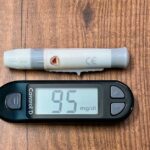
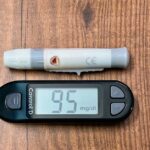
A normal fasting blood sugar is below 100 mg/dL. Readings between 100 and 125 mg/dL indicate prediabetes, and readings of 126 mg/dL or higher on two separate tests indicate diabetes.
