

Yes, false positive pregnancy tests are real, but they are rare. A false positive means the test says you are pregnant when you are not. Home pregnancy tests are highly accurate when used correctly, but several specific situations can trigger a positive result without an actual pregnancy.
How Does A Pregnancy Test Actually Work?
Home pregnancy tests detect a hormone called human chorionic gonadotropin, or hCG. The placenta produces this hormone after a fertilized egg implants in the uterus. The test uses antibodies that bind to hCG in your urine, which creates the visible line or digital reading.
Your body only produces significant amounts of hCG during pregnancy. This is why the test is normally so reliable. The problem occurs when hCG is present in your body for reasons other than pregnancy, or when the test misreads something else as hCG.
What Causes A False Positive Pregnancy Test?
The most common cause of a false positive is a chemical pregnancy. This happens when a fertilized egg implants briefly but stops developing. Your body produces hCG for a short time, enough to trigger a positive test, before the pregnancy ends on its own. Many women never realize they had a chemical pregnancy. It often resembles a slightly late, heavier period.
Some medical conditions can also cause your body to produce hCG outside of pregnancy. Certain rare tumors, including some ovarian and testicular cancers, can produce hCG. Pituitary gland issues can cause low levels of hCG in women who are not pregnant, especially those approaching menopause.
Medications That Can Interfere
Most medications do not affect pregnancy test results. The major exception is fertility treatments. If you take injections containing hCG, such as some ovulation induction medications, the hormone stays in your system for days or even weeks. Testing too soon after these injections can produce a false positive.
Other medications, including some antipsychotics, anticonvulsants, and diuretics, have been reported to cause false positives in rare cases. However, current evidence suggests these are uncommon. If you take prescription medication and get an unexpected positive test, your doctor can help determine whether the medication could be a factor.
Is There Such A Thing As A False Positive Pregnancy Test Due To Test Errors?
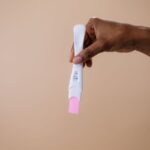
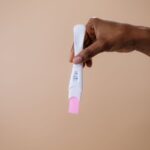
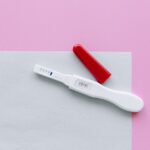
Yes, test errors can cause false positives, but they are less common than people think. An evaporation line is the most frequent culprit. This is a faint, colorless line that appears after the test has dried. It can look like a positive result, especially if you wait too long to read the test. Always read the test within the time frame specified in the instructions, usually 3 to 5 minutes.
Expired tests can also produce inaccurate results. The chemicals in the test degrade over time, making false readings more likely. Check the expiration date before use. Using a test incorrectly, such as dipping it in urine for too long or not long enough, can also affect the result.
Blood in your urine can occasionally cause a false positive. This can happen if you have a urinary tract infection, kidney issues, or are menstruating while taking the test. The blood can interfere with the test’s chemical reaction.


How Common Are False Positive Pregnancy Tests?
False positives are rare. Most manufacturers report accuracy rates above 99% when tests are used correctly. This means fewer than 1 in 100 tests will produce a false positive. The more common problem is a false negative, where the test says you are not pregnant but you actually are.
False negatives usually happen when you test too early. Your body needs time to produce enough hCG for the test to detect it. Testing a few days before your expected period increases the chance of a false negative. Testing after a missed period gives the most accurate result.
What Should You Do After A Positive Test?
If you get a positive pregnancy test, wait a day or two and test again. A second positive result makes pregnancy very likely. Use a different brand if possible, and follow all instructions carefully. Read the result within the recommended time frame.
If the second test is also positive, contact your doctor. They can confirm the pregnancy with a blood test, which measures hCG levels more precisely than a urine test. They can also help you understand next steps and rule out any underlying conditions.
If you get a positive test but then start bleeding, or if the second test is negative, contact your doctor. This could indicate a chemical pregnancy or an ectopic pregnancy, which requires medical attention. An ectopic pregnancy occurs when the fertilized egg implants outside the uterus, usually in a fallopian tube. This is a medical emergency.
When Should You Suspect A False Positive?
Suspect a false positive if you have a positive test but no pregnancy symptoms, or if you get a positive test followed by a negative test a few days later. This pattern often indicates a chemical pregnancy. It can also happen if you tested too soon after fertility treatment.
If you are approaching menopause, you may have low levels of hCG from your pituitary gland. This can cause a faint positive line. A blood test can distinguish between pituitary hCG and pregnancy hCG. Your doctor can order the right test to clarify the situation.
Rarely, a false positive can indicate a more serious condition. If you have a positive test that does not progress, or if you have unusual symptoms like pelvic pain or abnormal bleeding, seek medical evaluation. Do not assume a false positive without talking to your doctor.
Can A Digital Test Give A False Positive?
Digital tests are generally as accurate as traditional line tests. They work the same way, detecting hCG in your urine. Digital tests reduce confusion about faint lines because they display the words “Pregnant” or “Not Pregnant.” However, they can still produce false positives for the same reasons as line tests.
A digital test showing “Pregnant” is less likely to be an evaporation line error because the digital technology does not rely on visual line interpretation. But chemical pregnancies, medication interference, and medical conditions can still cause a false positive on a digital test.
Frequently Asked Questions
Can a false positive pregnancy test happen with a digital test?
Yes, digital tests can give false positives for the same reasons as line tests, such as chemical pregnancy or hCG-containing medications. They are not immune to these causes, though they eliminate confusion from evaporation lines.
How long after a chemical pregnancy will a test show positive?
hCG levels drop quickly after a chemical pregnancy, usually becoming undetectable within a few days to two weeks. The exact time depends on how high the hCG level was at its peak.
Can stress cause a false positive pregnancy test?
No, stress does not cause your body to produce hCG, so it cannot cause a false positive. Stress can delay your period, which might make you test earlier than you otherwise would, but it does not interfere with the test chemistry itself.
Can birth control pills cause a false positive pregnancy test?
No, birth control pills do not contain hCG and do not interfere with pregnancy test results. If you get a positive test while on birth control, pregnancy is the most likely explanation.
